Portuguese
  Spanish



Asian Multinationals Bet on Brazilian Industrial Growth with Their Own Factories, Agreements with Retailers, and Billion-Dollar Investments in Appliances and Electronics
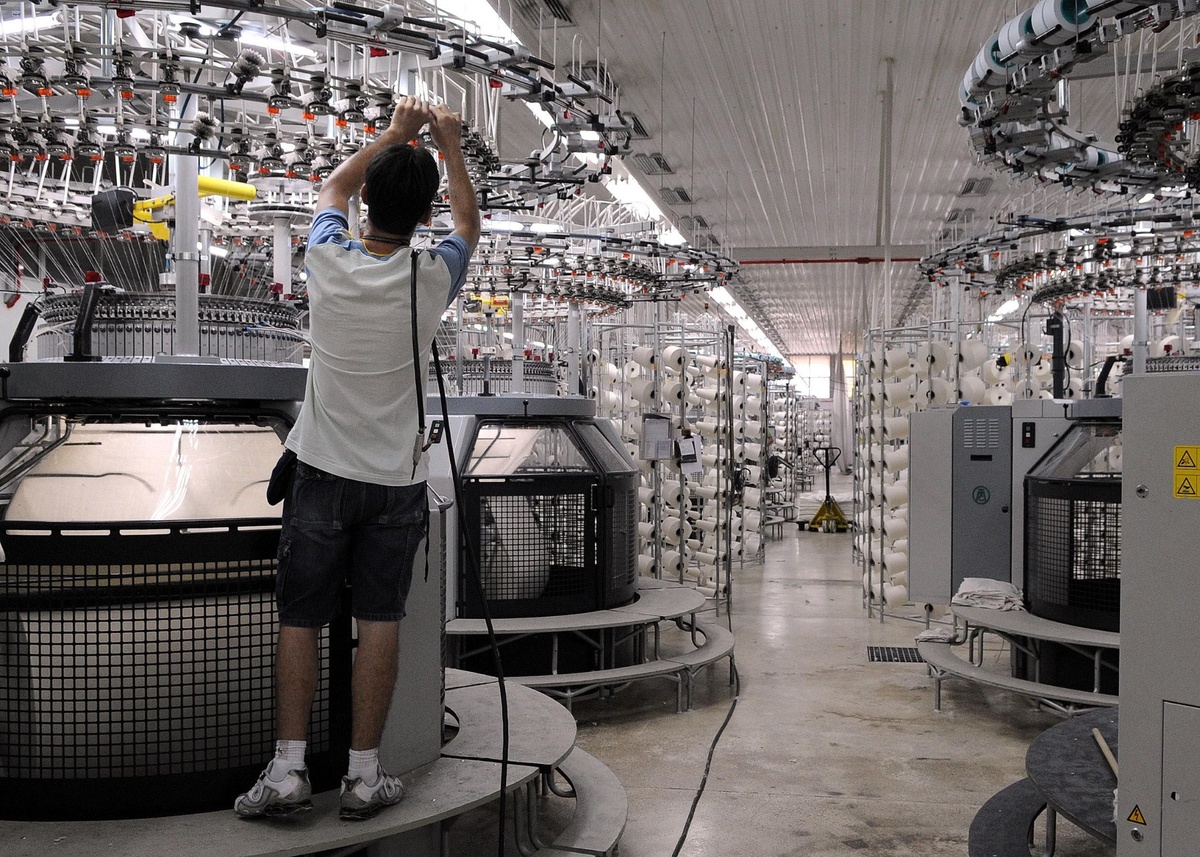
In recent years, Chinese electronics brands have been gaining ground in Brazil. Companies like Hisense, Midea, and Gree have intensified efforts to reach Brazilian consumers. The expansion continues at a steady pace. Hisense began production of TVs and air conditioners in Manaus in April 2024, through partnerships with Multi and Friovix. This strengthens its industrial presence in Brazil. Midea is building its third unit in Pouso Alegre (MG), expected to be completed by the end of 2024. This factory will increase its production capacity and regional presence. Gree already has two factories in Brazil and over a thousand authorized locations. Its portfolio includes air conditioners, refrigerators, and communication solutions, focusing on innovation. TCL has been operating in Brazil since 2016 and, since 2020, has led its joint venture with Semp. In 2023, it expanded its product line through Multi and strengthened its reach in the country.
Strategies Tailored to Brazilian Consumer Profile
These brands use specific strategies for the national market. Since March 2023, Hisense has started selling washer-dryers and ovens in physical stores of Via. A large portion of these products is imported from Europe and Asia. This allows for a quicker response to local preferences with premium models at competitive prices. Gree took advantage of the record heat in 2024 to highlight its air conditioners. Its network of authorized locations allowed for rapid delivery and technical support to customers. In addition, agreements with national retailers ensure greater visibility and agility. This facilitates competition with traditional brands and strengthens their presence in Brazil.
Billion-Dollar Investments Confirm the Potential of the Electronics Sector
According to Eletros, investments exceeded R$ 5 billion between 2022 and 2024. This volume modernizes the sector and generates thousands of jobs. By 2025, at least four new Asian multinationals are expected to operate in the country. The estimate was announced by Jorge Nascimento, president of Eletros. Air conditioner sales increased by 88% in the first half of 2024. Brazil has become the second-largest global hub for production of these devices. With incentives from the Manaus Free Trade Zone, local production has become more advantageous. This reduces taxes and improves the logistical efficiency of the brands.
-
Indonesia Plans to Build 5,000 Suspension Bridges by 2026 to Connect Rural Communities to Schools, Health Centers, and Markets

-
U.S. Invests $75 Million in Projects to Extract Rare Earths, Gallium, Germanium, and Aluminum from Coal Waste
-
Eni Acquires 25% Stake in Chilean Lithium Project, Plans to Invest Up to $225 Million in Eco-Friendly Extraction Method
-
French Brand Transforms 6 Million Brazilian PET Bottles into Sustainable Sneakers for Global Fashion Market



Partnerships with Retailers and Local Production Boost Competitiveness
The Chinese brands prioritize agreements with retail networks. Via, for example, is an important partner for Hisense and other Asian companies in Brazil. Local production, in addition, allows for adjusting models and technologies to Brazilian tastes. As a result, it significantly improves brand acceptance among consumers across all regions. Consequently, affordable prices and modern design drive the rapid growth of these companies. For this reason, the expectation is that by 2026 they will occupy an even larger share of the national sector. Moreover, each new factory strengthens the industry with cutting-edge technology. Consequently, this not only generates jobs but also stimulates the economy of the involved cities.