Portuguese
  Spanish


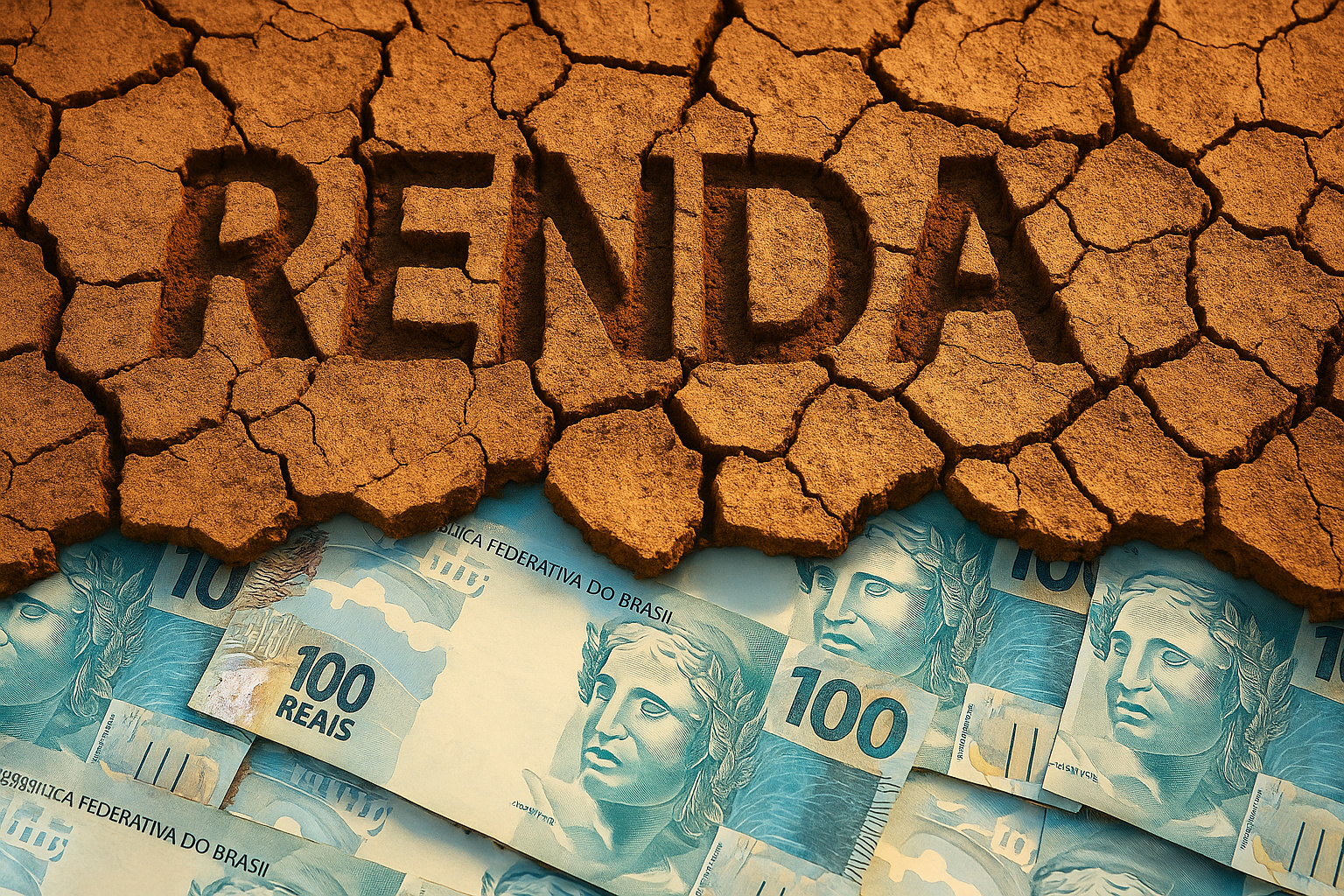

New Income Tax Exemption Promises Billion-Dollar Savings in the Northeast and More Money in Workers’ Pockets. Understand the Impact.
Income Tax Exemption Expected to Generate Billion-Dollar Impact in the Northeast
The proposal from the Federal Government to expand the income tax exemption could change the economic landscape of the Northeast and Brazil starting in 2026.
The plan stipulates that those who earn up to R$ 5,000 per month will be exempt from the tax, which is expected to benefit 1.9 million northeastern workers. According to a study by the Bank of the Northeast (BNB), the measure could inject R$ 8.27 billion into the region’s economy.
If approved, the change will put more money in workers’ pockets and strengthen local commerce, boosting economic growth and generating new income opportunities.
-
At 14 years old, she worked in a factory in Hong Kong, studied economics abroad, and then entered the Chinese real estate market, which helped change the landscape of Beijing.

-
While NATO secured more than $10 billion in missiles and space surveillance at a single forum, Brazil still spends 1.1% of its GDP on defense and is stalling its own anti-aircraft system.

-
Corn ethanol attracts R$ 23 billion in 21 new plants and prepares for a nearly 50% jump in Brazilian production by 2027, even with high interest rates.
-
A newly opened terminal in the middle of the Amazon has begun transporting soy and corn through Amapá, eyeing the queue of ships that is congesting the ports in the South.


How the Exemption Will Work and Who Will Benefit
Currently, only those earning below the current exemption threshold are exempt from paying the tax.
With the new proposal, the government raises the threshold to R$ 5,000 monthly, which broadens the reach of the measure and provides direct financial relief for millions of families.
In practice, each worker saves about R$ 4,356 per year and uses this amount to pay bills, consume, study, or invest.
The money that used to go to taxes circulates back into the economy, stimulating local demand and strengthening the internal market.
Regional Economy Gains Strength with Increased Consumption
The domino effect is immediate. With nearly 2 million people gaining purchasing power, money begins to circulate in commerce, impacting everything from neighborhood markets to small industries.
The president of the Bank of the Northeast, Paulo Câmara, explains the measure’s impact:
“By reducing the tax burden, President Lula is lightening the financial load on these families while simultaneously promoting additional demand in the internal market.”
In other words, more consumption generates more sales, which in turn drives production and creates jobs. This virtuous cycle warms the entire regional economy and strengthens small and medium entrepreneurs.
Why Does the Northeast Benefit More Than Other Regions?
The Northeast has the largest proportion of the population with average and low income, which amplifies the impact of the income tax exemption and reinforces the positive effects on the regional economy.
Millions of workers use the saved amount to ease their household budget and improve their quality of life.
The increase in local consumption also drives sustainable growth and attracts new investments to the region.
In this way, the benefit transcends individual gains and becomes a collective engine for economic development.
Income Tax Exemption: A Strategic Step for Brazil
The federal government’s proposal goes beyond the citizen’s pocket. It serves as a strategy for income redistribution and strengthens the national economy. The focus is on regions with greater growth potential, such as the Northeast.
With the measure, families gain purchasing power. Businesses increase production and the internal market heats up. This movement creates a continuous growth cycle.
Moreover, the increase in consumption and economic activity creates new jobs. This also stimulates local investments and drives the regional economy.
Thus, the country moves toward a more balanced Brazil, with inclusive growth, valued income, and less regional inequality.
What to Expect Moving Forward
The proposal is under review in the Senate, but already sparks great expectations among economists and business leaders. If approved, the measure will solidify one of the largest economic stimulus policies in recent years, with the potential to transform the fiscal and social landscape of the country.
As a result, the income tax exemption could generate a direct impact in the Northeast, move billions in the economy, and enhance families’ purchasing power. Additionally, the initiative strengthens internal consumption, stimulates new investments, and boosts sustainable development.
Thus, Brazil takes an important step toward a more balanced, prosperous, and inclusive future, where economic growth aligns with income appreciation and the reduction of regional inequalities.