






 Portuguese
  Spanish
 5 min of reading
  0 comments


Discover How the New Policy for Biogas Will Increase the Participation of Renewable Gas in Brazil Starting in 2026.
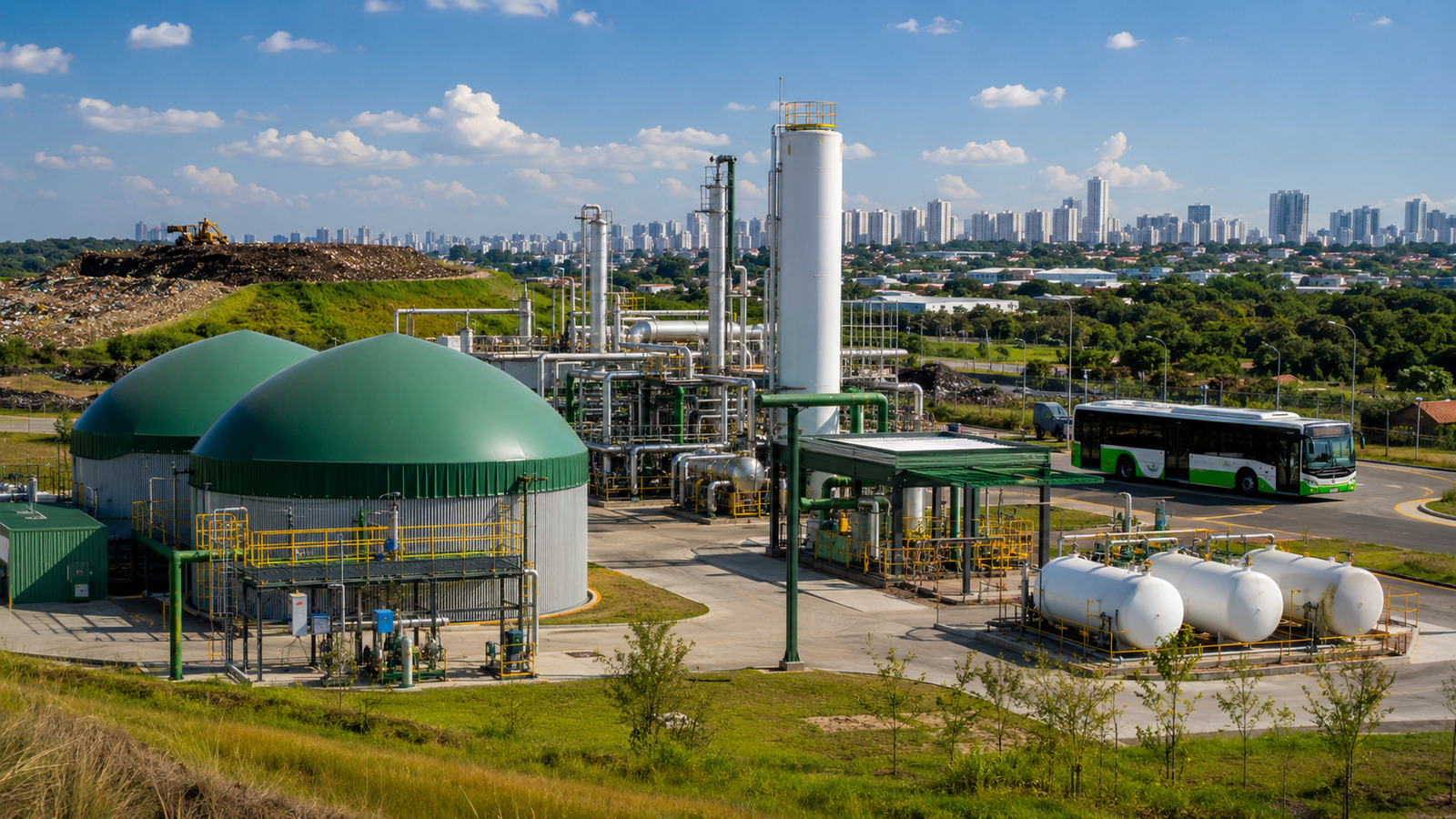
Brazil has taken another important step in the energy transition by establishing the new policy for biogas, with annual targets starting in 2026.
In this way, the government aims to increase the participation of renewable gas in the national market, encouraging both production and sustainable consumption.
Moreover, the initiative reinforces the country’s commitment to reducing greenhouse gas emissions and to cleaner energy alternatives.
-
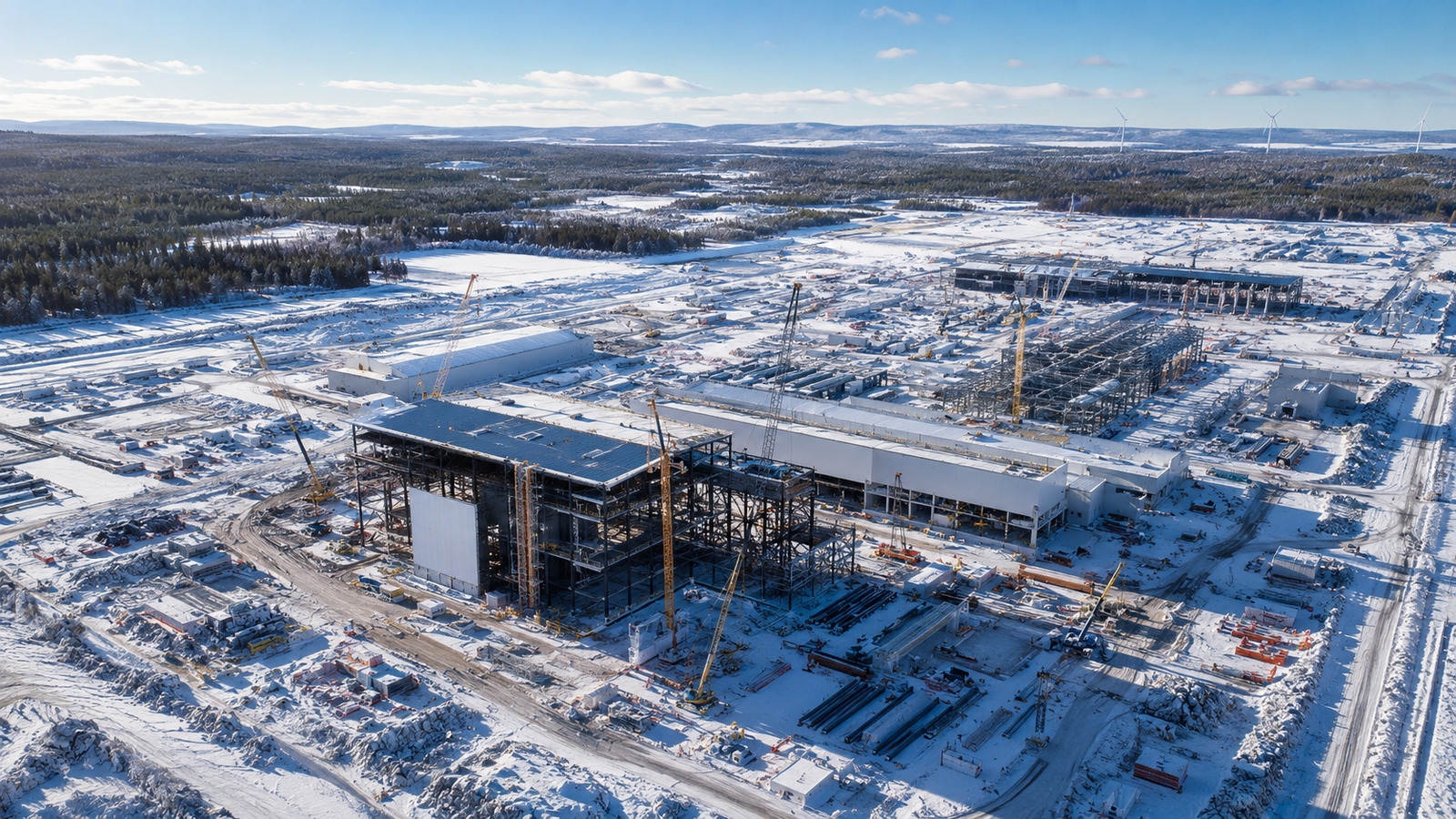
US$ 7 billion, green hydrogen, and steel with up to 95% less CO₂: the first green steel plant on the planet emerges in Sweden and targets Brazil as the next chapter

-
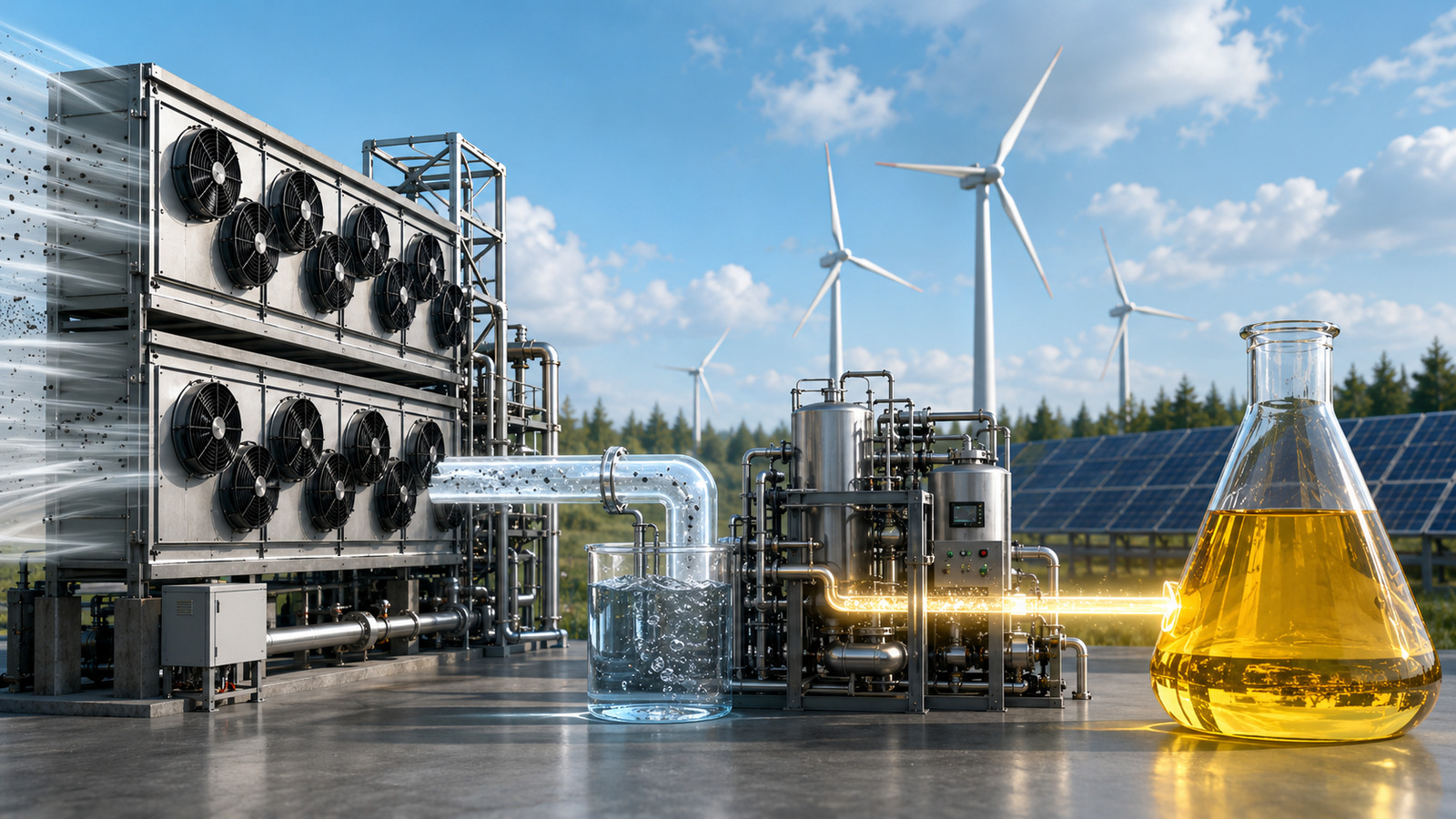
Swedes manage to create synthetic fuel with CO₂, water, and renewable energy, compatible with current engines, but face a huge problem: the energy expenditure is still double the return.
-
Brazil begins to transform wheat, residues, sweet potatoes, and soy molasses into ethanol, in a new phase of biofuels that seeks to utilize leftovers from the field and industry to fuel flex-fuel cars.

-
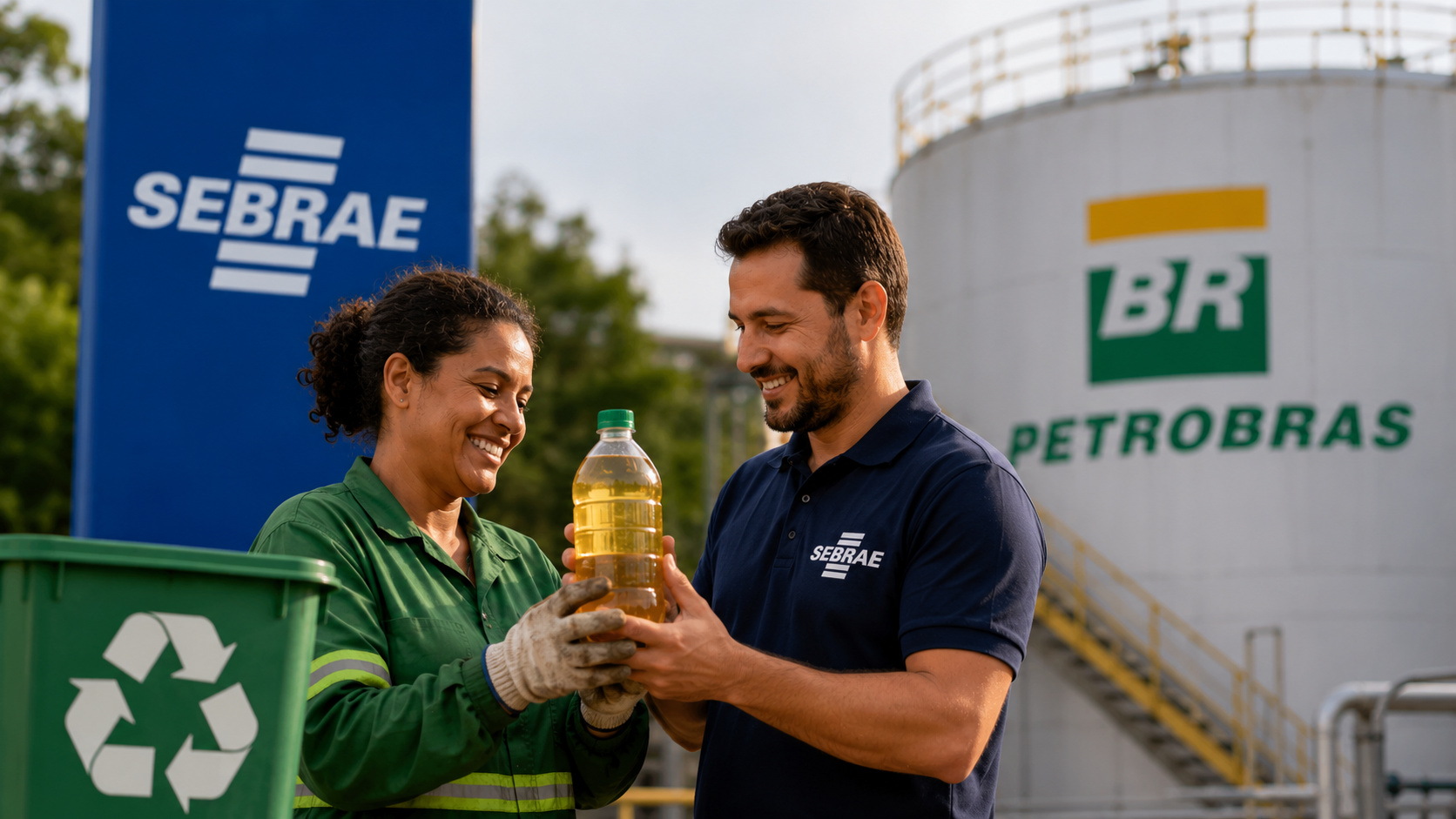
Sebrae and Petrobras join forces in Ceará to include waste pickers in the circular economy and strengthen the biofuel chain, creating new income opportunities and expanding the sustainable use of waste with a direct impact on regional development.

Biogas, therefore, offers environmental and economic advantages.
In addition to reducing greenhouse gas emissions, the production of the fuel also decreases the country’s dependence on imported fossil natural gas.
This consequently increases energy security and contributes to long-term price stability.
Thus, this strategy combines sustainability and efficiency, reflecting the growing global concern about climate change.
Historically, biogas has emerged as an evolution of biogas, obtained from the decomposition of organic waste, such as agricultural, industrial, and urban leftovers.
Unlike fossil natural gas, biogas is carbon-neutral, as the carbon released during combustion is already part of the natural carbon cycle.
Therefore, the development of the sector in Brazil aligns with the global trajectory of energy diversification and efforts to mitigate environmental impacts.
Additionally, the new policy for biogas has received regulation from the federal government after approval by the National Congress and sets progressive targets.
Initially, the annual target will be 1% of the volumetric participation of biogas in total natural gas consumption in 2026.
Over the years, this target could reach 10%, depending on the evolution of production and demand for renewable gas.
In this way, the approach allows the market to gradually organize itself, providing security to producers, investors, and consumers.
Certification and Monitoring of Biogas Production
The government will monitor the fulfillment of the targets through CGOBs, the certificates of origin for biogas, which prove the sustainable production and consumption of the gas.
Moreover, producers will be able to trade these certificates in the market, generating additional revenue.
At the same time, small producers and importers will have specific regulations from ANP, ensuring that local and regional initiatives contribute to the advancement of the policy without unfair restrictions.
One of the central points of the policy allows for reducing the targets according to the decarbonization achieved through the use of biogas in electricity generation.
Thus, the policy takes into account both the increase in production and the environmental impact.
Consequently, industries with carbon reduction programs can benefit from acquiring certificates, creating thus a financial incentive for investments in sustainability.
In addition, biogas production strengthens solid waste management, utilizing materials from landfills, pig farms, sugar and ethanol mills, among others.
With this, additional income for producers is generated and a circular economy is promoted, where waste is transformed into useful resources, strengthening sustainability and creating local jobs.
Furthermore, the adoption of biogas stimulates technological innovations in the production chain.
For example, new techniques for purification, compression, and transportation increase the efficiency of the sector.
With investments in research and development, Brazil can become a regional reference in renewable gas production, attracting international partnerships and strengthening a modern and sustainable energy market.
Implementation and Regulatory Monitoring
To implement the policy, the Ministry of Mines and Energy (MME) will convene the National Energy Policy Council (CNPE) to approve studies required by law, including regulatory impact analyses.
Thus, the studies will consider the availability of biogas, biogas and CGOBs, as well as the protection of consumer interests and the economic viability of the targets.
Hence, the annual definition of targets will occur by November 1st, with exceptional adjustments in 2026, considering the date of issuance of the first certificate.
Historically, Brazil has always sought alternatives to diversify its energy matrix.
For example, since the creation of the National Alcohol Program (Proálcool) in the 1970s, which encouraged ethanol production from sugarcane, to recent investments in solar and wind energy, the country has shown capacity for innovation and adaptation.
Thus, the new policy for biogas fits into this trajectory, aimed at the gas sector, promoting sustainability and stimulating new productive chains.
In the international scenario, countries are seeking to reduce dependence on fossil fuels and minimize the impacts of climate change.
In this way, biogas offers a solution compatible with existing natural gas infrastructure, allowing industries and transport to gradually migrate to renewable sources.
Furthermore, local production increases energy security, reducing the need for natural gas imports.
Moreover, the growing demand for green solutions drives public policies that encourage financing lines for biogas production and technical training programs.
These incentives help small and medium producers to participate in the market, ensuring that the expansion of biogas is inclusive and benefits different regions of the country.
International Experiences and Expansion in Brazil
The development of the policy follows recent experiences from other countries that invest in biogas for transport and industry.
For example, in Europe, biogas serves both for electricity generation and as vehicle fuel, supported by tax incentives and subsidies that make production viable.
In Brazil, events like the Biogas Forum, promoted by Abiogás, show that the private sector is attentive to expansion opportunities, especially in transport and industry.
Furthermore, the regulation of the new policy for biogas occurs at a moment of attention to the natural gas market, with debates on tariffs, transport, and infrastructure.
Thus, the ANP defines rules that balance the interests of producers, importers, and consumers.
The discussion about transport capacity contracting and investment remuneration methodology highlights the need for agile and transparent regulation, supporting the growth of biogas.
The economic impact of the policy is also significant.
For example, the formal market for CGOBs and environmental certification creates business opportunities for companies involved in producing organic waste and renewable energy generation.
Furthermore, small producers also benefit, being able to integrate into the chain without exclusively relying on large importers, thus strengthening the decentralization of energy production.
In addition, the growth of biogas contributes to regional development, generating jobs in rural areas and encouraging the use of agricultural by-products.
Thus, the policy creates a competitive market, stimulates technological innovation, reduces costs, and improves the efficiency of the production and distribution chain.
Sustainability and Future Perspectives
In addition to the economic and environmental impacts, the new policy for biogas positions Brazil as a protagonist in the sustainability agenda.
The country has abundant natural resources, expertise in agri-energy, and potential to lead low-carbon initiatives in the gas sector.
Thus, clear targets and monitoring instruments create a concrete path to increase the participation of biogas, integrating sustainability, technological innovation, and economic development.
Therefore, the new policy for biogas represents a strategic step in the transformation of the Brazilian energy sector.
With gradual targets starting in 2026, certification regulation, economic incentives, and attention to decarbonization, the policy consolidates biogas as a viable and sustainable alternative to fossil natural gas.
Furthermore, the strengthening of the sector contributes to waste management, job creation, energy security, and reduction of greenhouse gas emissions, positioning Brazil in tune with global trends and a more sustainable future.








Be the first to react!