






 Portuguese
  Spanish



Government Of The State Of RJ Is Developing Program To Fund Solar Energy For Main Agricultural Producers
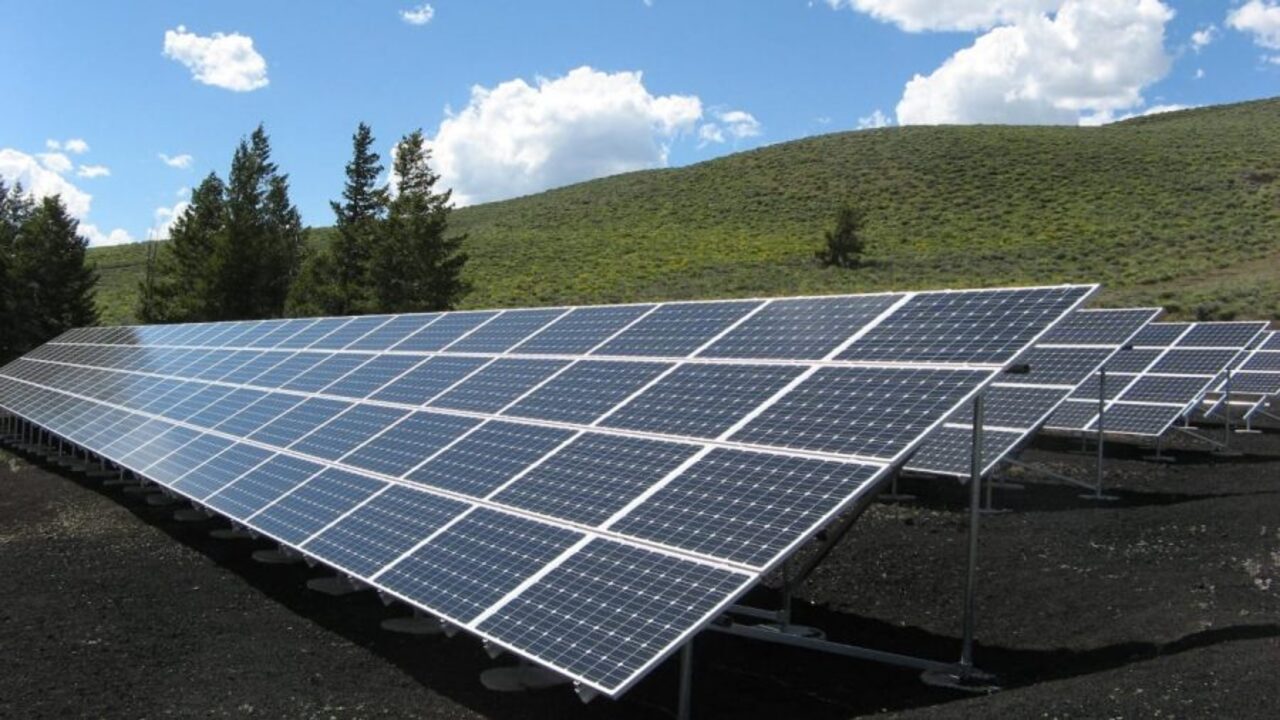
The agribusiness is a sector that requires electricity to carry out a large part of its tasks, and the Government of RJ has decided to invest in solar energy in this sector. Just like the use of other renewable sources, the production of photovoltaic solar energy on rural properties has been expanding. Taking this information into account, with the help of the Secretary of Agriculture, Livestock, Fisheries, and Supply, the State Government has developed the rural funding line Clean Energy.
Read Also
This funding line is part of the Agrofundo Program, from the Secretary of Agriculture, supported by the government, and its beneficiaries are rural producers with operations based in the territory of the Government of RJ. The financeable limit of this funding line is 100% of the budget, up to R$ 60 thousand, with a maximum term of 60 months and annual interest of 2%.
Solar Energy Produced In Agriculture Can Save Crops
The solar energy produced can be used on the rural property. It can power, for example, the mechanical milking system, pumps for irrigating pastures, etc…
-
Giant Batteries Take Center Stage in Chile Auction as Company Offers 960 GWh of Solar Energy for Nighttime Use, Aiming to Stabilize Solar Power Supply

-
After a Year of Success in Switzerland, Solar Railway Attracts Italy’s Interest for Clean Energy Transformation
-
Robots Clean Solar Panels in Desert Power Plants Without Water, Preventing Energy Losses
-
Brazil’s Offshore Wind Energy Potential Worth $1 Trillion Stalled by Long-Delayed Agreement

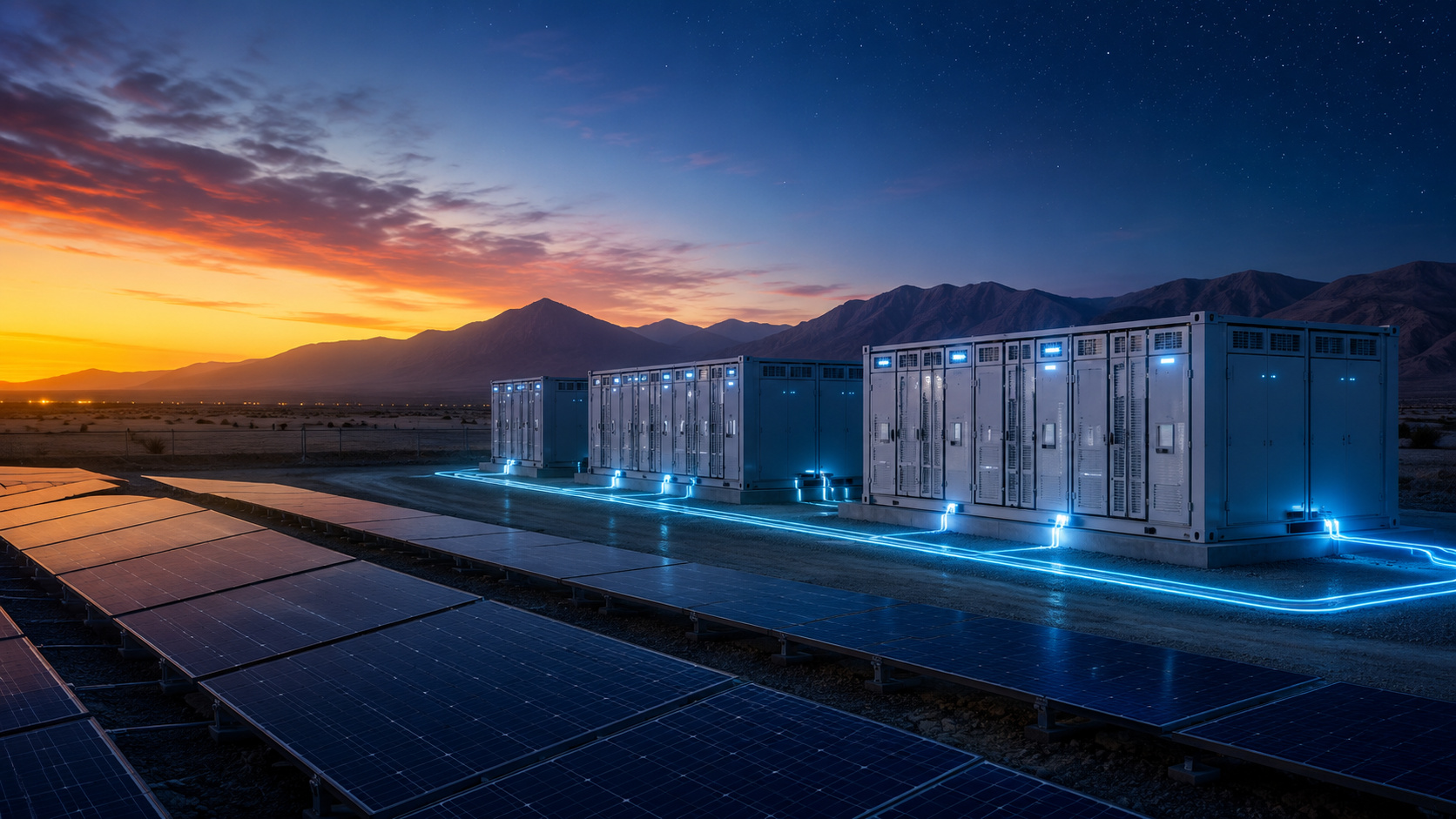



The surplus of energy produced by the photovoltaic panels on the rural property will be transferred to the electricity utility, thus compensating in the form of energy credits. This can also be used in other residences of the rural producer, including in the city.
Studies show that solar energy brings more savings in the cost of agricultural activities, in addition to being an excellent alternative for producers who often suffer from the quality of electricity supply.
The use of solar energy, as it is a renewable source, becomes very advantageous and has become an essential item for agribusiness.
There are several factors that contribute to the use of solar energy in agribusiness, with the most attractive being the savings of financial resources, but it is not limited to that, as sustainability is also a significant competitive advantage for rural producers.


