Portuguese
  Spanish


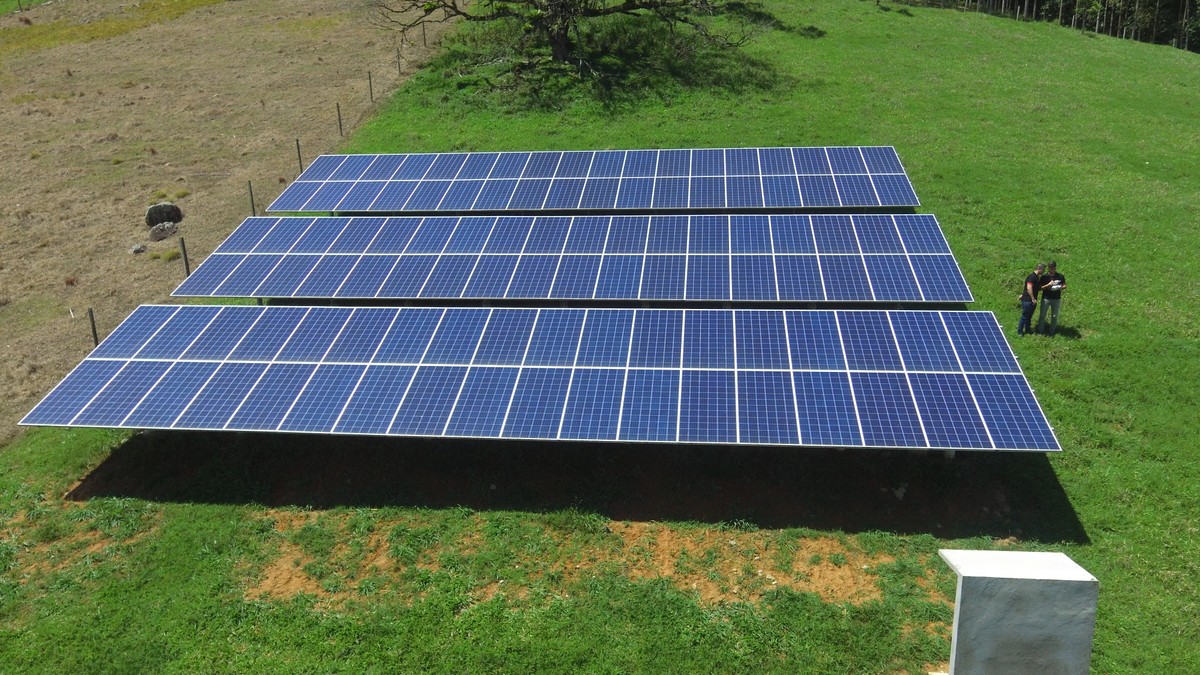

The Largest Consumers of Solar Photovoltaic Energy Are: Homes, Small Businesses, Rural Sector, and Industry, Shows Absolar
According to data from the Brazilian Association of Solar Energy – Absolar, Brazil reached the record of 500 thousand distributed solar photovoltaic systems (GD) in February. To meet the needs of these 500 thousand units, 400 thousand solar systems were installed, with a total investment of 23.1 billion reais. According to the entity, the largest consumers are: mostly installed in homes (73.6%), small businesses (16.6%), followed by the rural sector (7%) and industry (2.4%).
Check Out Other News of the Day:
Use of Solar Energy:
Photovoltaic energy is the energy obtained by the direct conversion of sunlight into electrical energy. During the day, this light strikes the installed panels, is absorbed, and converted into direct current. In addition to not requiring a large area, it is also possible to tailor projects to the needs of each consumer and produce solar energy on different scales. Due to the ease of generation, the production of this energy is the fastest growing in the world.
Installations:
According to the characteristics of the system, the panel can be installed in up to two days, and generally, no construction is necessary for the support of the installation, as it is sufficient for the grid system to be installed on the roof and connected to the local power source. Another advantage of solar energy is that it can reduce energy costs for consumers, lowering the electricity bill by up to 95%.
-
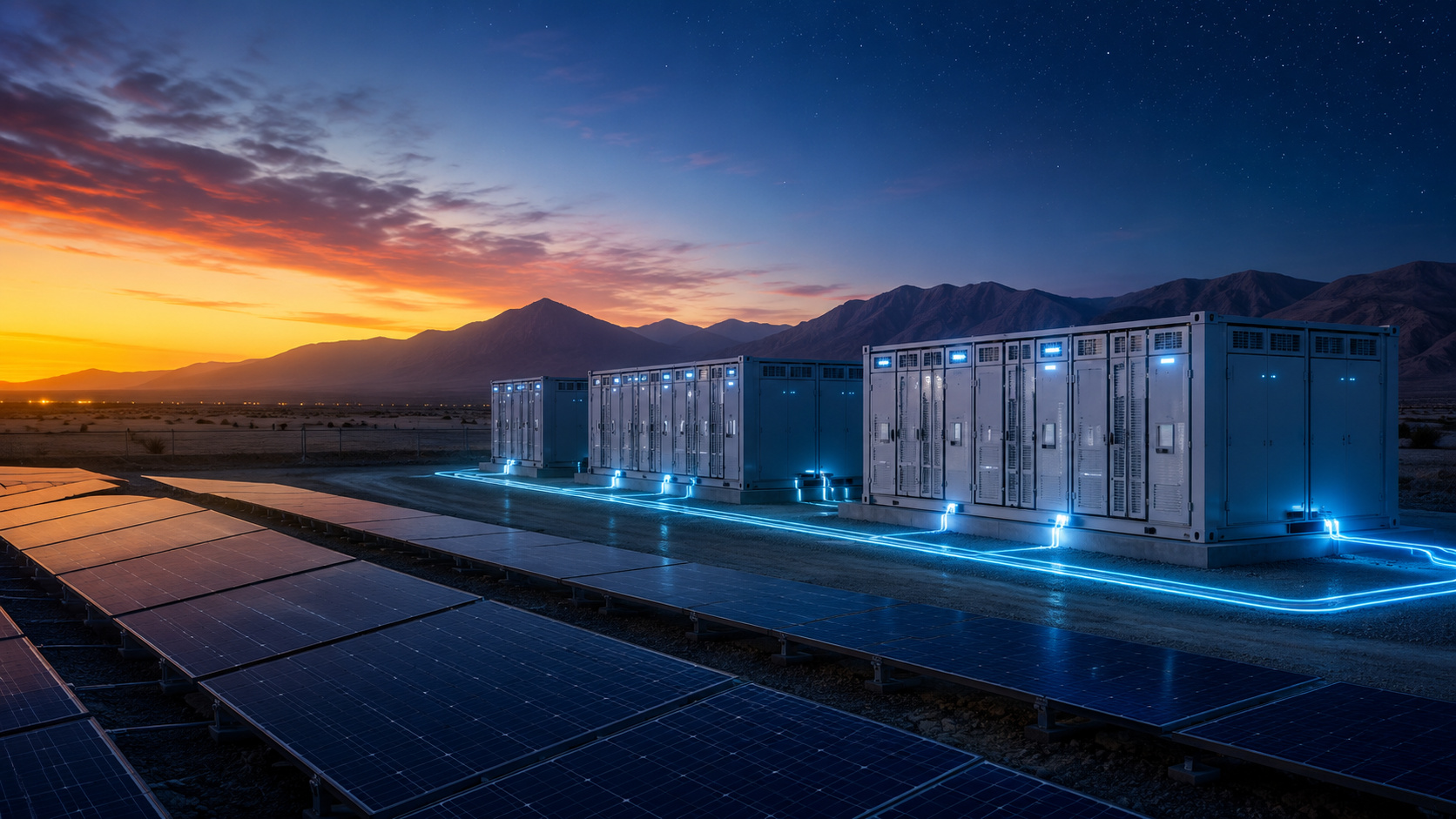
Giant Batteries Take Center Stage in Chile Auction as Company Offers 960 GWh of Solar Energy for Nighttime Use, Aiming to Stabilize Solar Power Supply

-
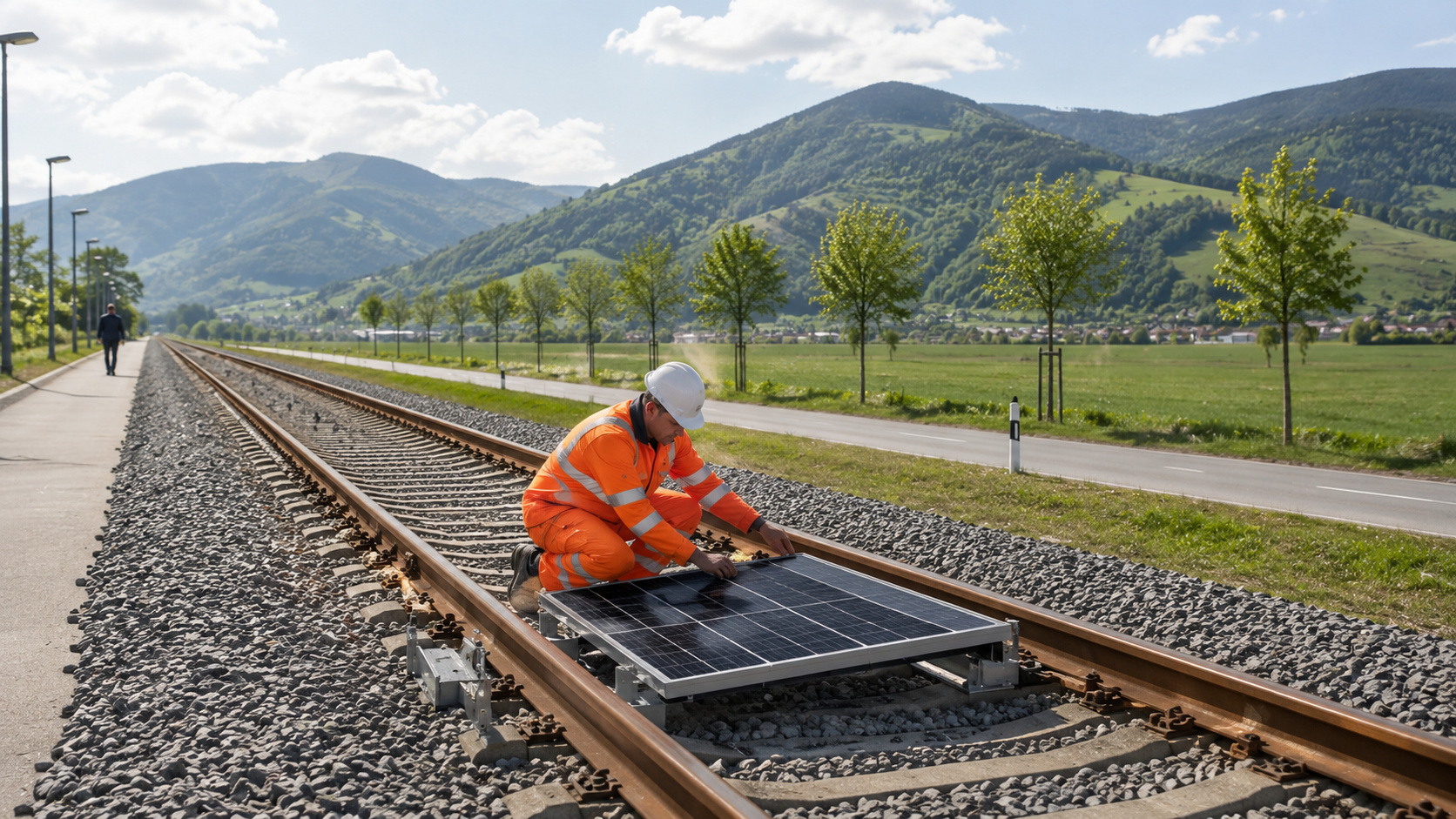
After a Year of Success in Switzerland, Solar Railway Attracts Italy’s Interest for Clean Energy Transformation
-
Robots Clean Solar Panels in Desert Power Plants Without Water, Preventing Energy Losses
-
Brazil’s Offshore Wind Energy Potential Worth $1 Trillion Stalled by Long-Delayed Agreement



The system is also very simple and requires almost no maintenance. Typically, the equipment is installed on the roof and connected to the franchise’s distribution network, with low maintenance costs.
Benefits:
One of the main benefits of using solar energy is that it relies on an inexhaustible energy source: the sun is viable in nearly every country, and Brazil is no different, as it is located in an area with high sunlight incidence.
Unlike thermal power plants that rely on fossil fuels, which are more polluting and harmful to the environment, and hydroelectric plants that depend on rain and river water levels, photovoltaic energy is a clean, renewable, and affordable energy source for consumers that can be used when its production can serve more than one property.