






 Portuguese
  Spanish


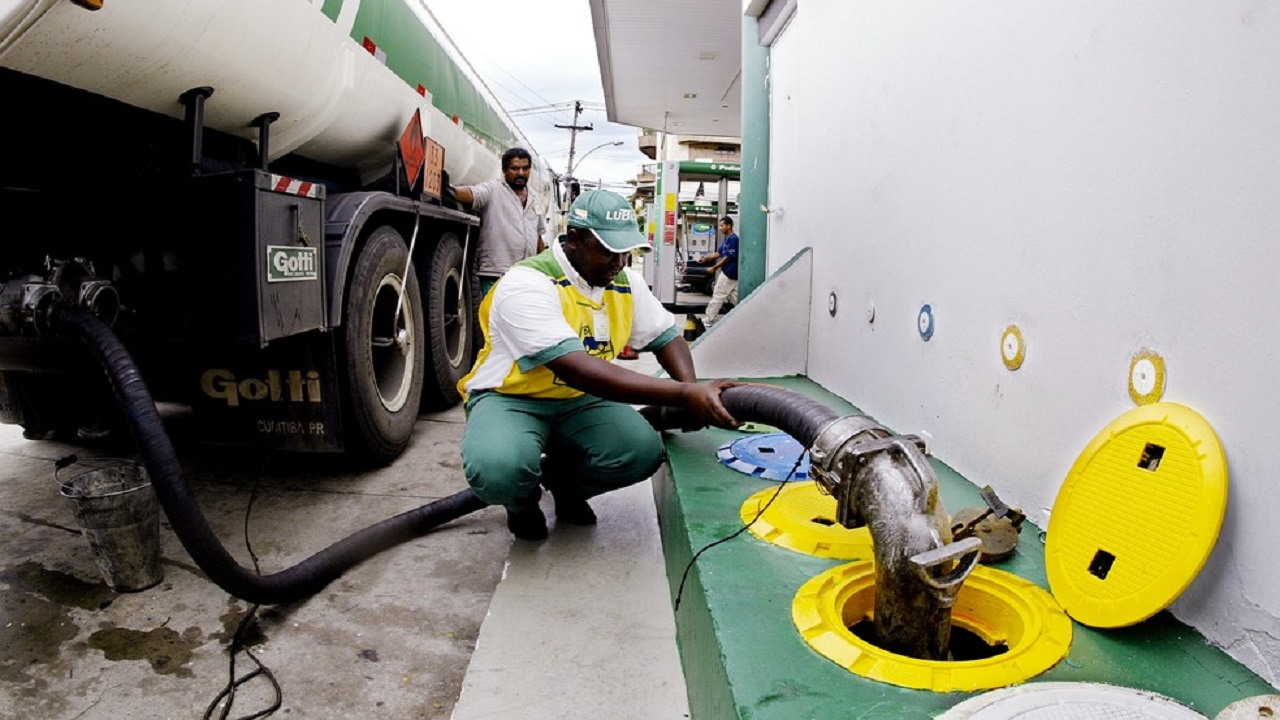

With The Goal Of Curbing The Rise In Fuels, The Federal Government Is Developing Measures So That Gasoline Prices For The Final Consumer Are Reduced. One Of The Ideas Is The Reduction Of ICMS
In An Attempt To Curb The Unchecked Rise In Fuels, The Minister Of Economy, Paulo Guedes, Presented A Plan That Uses State-Owned Enterprises’ Actions As A Cushion Fund. The Measure Presented By The Federal Government, Which Is Supported By The President Of The National Forum Of Governors And Also By Wellington Dias (PR), Governor Of The State Of Piauí, Would Be An Alternative To The Inflation In Gasoline That Hadn’t Reached Such Levels Since 1994. The Measure Proposed By Guedes Will Still Be Discussed In The Chamber Of Deputies.
Read Also
Federal Government Creates Single Rate
With The Aim Of Reducing The Increase In Fuel Prices, The Federal Government Presented A Plan For The Development Of A Single Rate For ICMS. Thus, The Tax Rate On Gasoline And Other Fuels Would Be Calculated Based On A Period Of The Last Two Years And Not Biweekly As Currently Happens. The Project Has Already Been Approved By The Chamber Of Deputies And Now Moves To The Senate.
Currently, The Fuel Tax Is Calculated And Collected At The Refineries, Charged As A Percentage Of The Final Price. Currently, The ICMS On Gasoline Averages Between 25% And 34%.
-
Brazil to Introduce B16 Diesel with Increased Soybean Oil Content for Trucks by 2026
-
Brazil’s July Bolsa Família Payments May Include Extra $150 and $50 for Families with Children, Pregnant Women, and Updated CadÚnico Registration

-
Brazilian Woman Buys €1 House in Sicily, Clears 50 Truckloads of Debris, and Transforms Ancient Ruin into Inspiring Life Project by 2026

-
Havan Competitor Expands in Brazil with 170 Stores, Offering Everything from Stationery to Asian Food and Focusing on Affordable Products to Attract Shoppers



Another Change With The Approval Of The Measure Is That Taxation Will No Longer Be Percentage-Based But Rather A Fixed Price In Reais Per Liter. However, For This To Be Possible, The Value Cannot Exceed The Average Prices Of The Last Two Years.
With The Approval Of The Measure Created By The Federal Government, If The Price Of A Barrel Of Oil Increases, The Raw Material For Gasoline And Other Fuels, For Example, As Is Currently Happening, The Tax Value Would Not Increase, Something That Happens Under The Current Format.
ICMS Reduction May Impact Other Factors
However, According To The Brazilian Federation Of State Tax Auditors Associations (Febrafite) And Other Entities In The Sector, If Approved, The Project Will Reduce Revenue For States And Municipalities By R$24.1 Billion Per Year.
According To Capitalist, The Reduction Could Result In A Negative Impact On Several Basic Services Offered To The Population. According To Folha De São Paulo, Some Governors Advocate For The Creation Of A New Tax Reform As A Way To Reduce Fuel Prices.
OAB/SP Comments On The Federal Government Measure
According To Thiago Santana Lira, A Lawyer Specializing In Tax Law And A Member Of The Tax Law Commission Of OAB/SP, ICMS Is Responsible For A Large Part Of The Price Set By Gas Stations For Reselling To Final Consumers. However, The Tax Is The Main Source Of Revenue For States And Municipalities, And The Idea That It Is Only Necessary To Reduce Rates To Lower Fuel Prices Will Cause Another Problem, Which Is A Sharp Drop In Revenue For The Federal Government.
Lira Also States That There Is No Way To Reduce ICMS Rates Because This Is One Of The Main Sources Of Revenue For States And Municipalities In The Application Of Resources For Health, Education, Security, And Other Necessary Sectors, As The Core Of The Problem Does Not Lie In Its Incidence On Fuel, But In Budgetary And Structural Revenue Policies.


