Portuguese
  Spanish


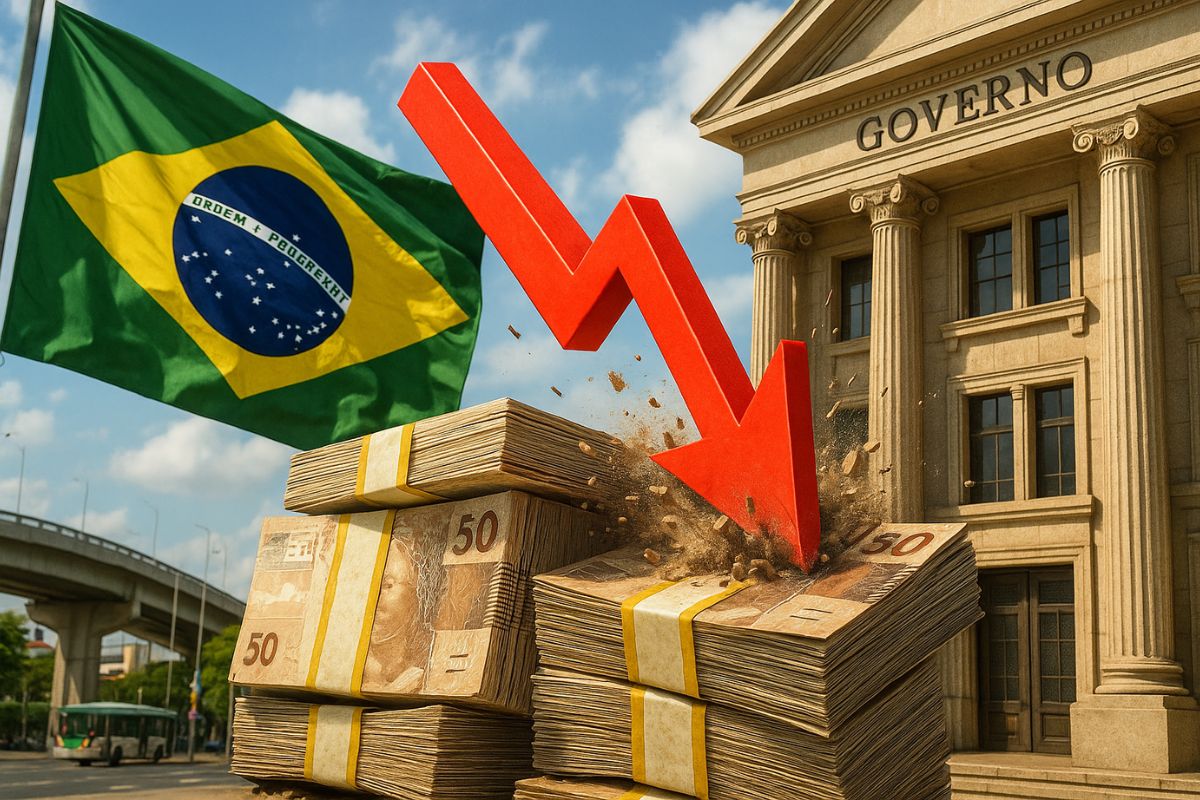


The Government Develops Two Bills to Curb Spending and Compensate for the R$ 20 Billion Not Collected After the Fall of the MP of IOF, Balancing the 2026 Budget
The economic team of the government decided to split its new fiscal adjustment proposal into two distinct bills. The plan emerges as a response to the rejection of MP 1,303, which increased IOF rates and was expected to generate R$ 20 billion for the 2026 budget.
According to UOL, with the rejected provisional measure, the government is seeking a dual approach: on one hand, cut R$ 10.7 billion in expenses; on the other, propose new forms of taxation in sectors with significant financial activity, such as bets and fintechs, to replenish the revenue base. The initiative aims to avoid a new fiscal imbalance and reinforce the credibility of economic policy after criticism over the weakening of the adjustment.
Two Bills, Two Areas of Action
The first project focuses on reducing public spending.
-
Brazil’s Largest Grain Port Faces Delays in the Hinterlands, Missing Rail Link Costs Agribusiness Billions

-
Egg Prices Drop Due to Weak Demand as Poultry Producers Increase Purchasing Power
-
iFood Takes 99Food and Keeta to Brazil’s Antitrust Authority Over Aggressive Discounts and Prolonged Losses, Raising Concerns of a New Delivery Market War

-
Brazilian Brothers Transform Dairy Business into Latin America’s Best Cheese, Boosting Revenue from $80,000 to $4 Million


According to preliminary information, the cut of R$ 10.7 billion will come from three central measures: limiting pension compensation, adjustments to the safety-net insurance paid to artisanal fishermen, and reviewing the duration of sickness benefits based solely on documentary analysis.
Moreover, the payments of the Pé de Meia Program, aimed at students, will be incorporated into the constitutional floor of Education, reducing the pressure on the spending cap of the ministry.
The goal is to improve budget predictability without compromising essential programs, but the social impact of these reductions is still a topic of debate within the governing base.
Taxation of Bets and Fintechs Enters the Second Phase of the Plan
The second project addresses replenishing revenues, especially through taxation of expanding sectors.
The government plans to impose progressive rates on online betting platforms and fintechs, with the potential to raise R$ 3.3 billion in 2026.
Despite the controversy, the Ministry of Finance denies that there will be an increase in taxes.
The minister Fernando Haddad stated that the goal is to “equalize rates and correct distortions” that currently benefit segments exempt from taxation.
Investments in LCIs and LCAs, for example, will remain exempt from Income Tax, maintaining the promise to preserve real estate credit instruments and agribusiness.
Political Dispute and Fear of Electoral Weariness
The decision to divide the proposal into two texts was also strategic from a political standpoint.
Separate voting will allow the identification of who opposes each measure, isolating specific resistances within Congress.
Earlier this month, the withdrawal of the MP of IOF was attributed to maneuvers by opposition lawmakers, which, according to Haddad, would have prevented the planned revenue replenishment.
Now, the government is trying to rebuild consensus, but faces resistance within the Civil House, which believes the bills still lack greater technical alignment.
There is also concern about the electoral impact of spending cuts in social benefits and new taxes in a year preceding the municipal elections.
Uncertain Path But Necessary to Balance 2026
Even without a confirmed date for submission to Congress, the economic team is pressing for urgency, fearing delays in executing the 2026 budget.
The fiscal replenishment is seen as crucial to keep the framework intact and signal responsibility to investors.
Behind the scenes, the government is seeking the support of deputies who have already shown willingness to include the proposals in bills under consideration.
The expectation is that, with political maneuvering and specific adjustments, part of the package can be approved by the end of this year.
The measures reveal the effort of the government to balance the accounts without compromising social programs or raising general taxes.
Do you believe that cuts and new taxation are the best way to stabilize the 2026 budget? Leave your opinion in the comments; we want to hear from those closely following the impact of these decisions on the economy and the daily lives of the population.