Portuguese
  Spanish


Largest deepwater oil field in the world expands its production in the Santos Basin, while new platforms gradually advance to maximum capacity.
The Búzios field, located in the pre-salt of the Santos Basin, reached a new milestone for the Brazilian oil industry.
The average production reached 1.2 million barrels per day on Friday, June 26, 2026.
The result was recorded only three days after Búzios reached 1.1 million daily barrels, according to information released by Petrobras.
-
Petrobras and Equinor Reach Agreement for 50% Stake in Itaimbezinho Block in Brazil’s Pre-Salt Campos Basin

-
Venezuelan Refinery Halts Operations After Power Outage, Highlighting Country’s Energy Infrastructure Challenges

-
São Paulo LNG Terminal Approved to Connect to Pipeline Network, Sparking Debate Over Larger Alternative Through Serra Route
-
Petrobras Explores Entry into Corn Ethanol Market, Aiming to Become a Biofuel Giant

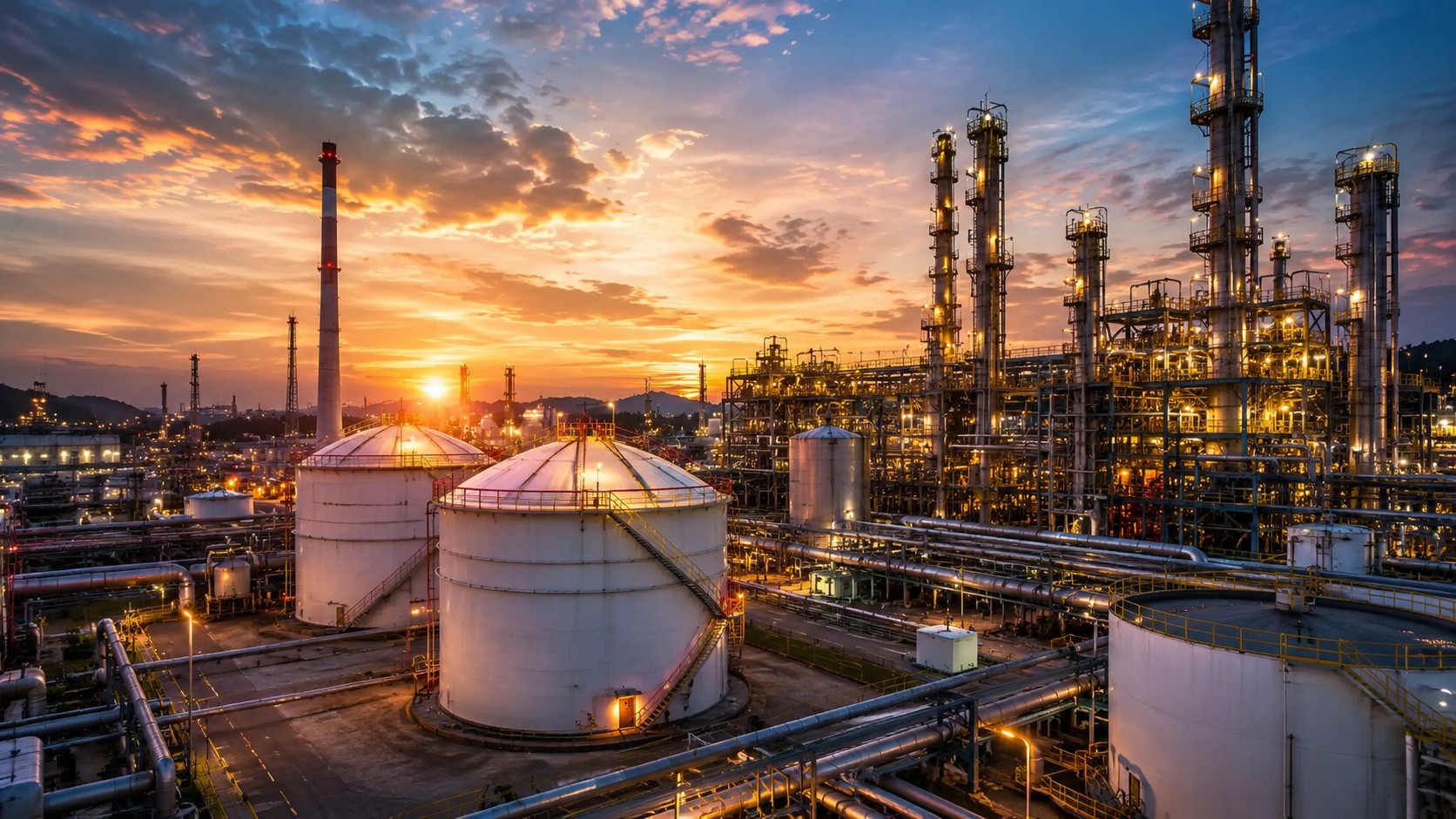


The rapid expansion was mainly driven by the operational advancement of the platforms P-78 and P-79.
Platforms P-78 and P-79 drive Búzios’ growth
Petrobras reported that the new record was achieved after the expansion of activities of the platforms P-78 and P-79.
The two units are still undergoing the gradual increase in production process, known in the sector as ramp-up.
This stage involves the progressive connection of wells and the adjustment of systems until the platforms reach their maximum performance.
Each unit will be able to produce up to 180 thousand barrels of oil per day when reaching full capacity.
Búzios’ production may still grow as the two platforms advance in the operational stabilization process.
Eight units already operate in the largest deepwater field
The Búzios field currently has eight production units in operation.
The structure includes the following platforms and platform ships:
- P-74;
- P-75;
- P-76;
- P-77;
- P-78;
- P-79;
- FPSO Almirante Barroso;
- FPSO Almirante Tamandaré.
The Almirante Tamandaré has an expanded capacity to produce up to 270 thousand barrels of oil per day.
The robustness of this infrastructure has consolidated Búzios as the largest deepwater oil field in the world, according to Petrobras.
Expansion plans for 12 production units
Petrobras’ planning includes the expansion of the field to 12 floating production, storage, and offloading units.
The platforms P-80, P-82, and P-83 are currently under construction.
The unit called Búzios 12 remains in the bidding process.
The introduction of the new systems is expected to gradually increase the field’s production capacity in the upcoming operational cycles.

Record occurs amid pressure on oil
The advancement of Brazilian production coincided with a period of instability in international oil prices.
The commodity accumulated a drop of over 10% during the previous week.
The decline was influenced by greater optimism after a memorandum of understanding was signed between the United States and Iran.
A new exchange of attacks between Washington and Tehran, on June 26, once again heightened tensions.
The episode also cast doubt on the maintenance of the previously announced ceasefire.
Tensions between the United States and Iran affect the market
Iran classified the offensive as a violation of the agreement and threatened to halt diplomatic processes.
The President of the United States, Donald Trump, once again mentioned the possibility of new military actions.
The two countries agreed, on Sunday, June 28, to suspend recent hostilities in the Gulf region.
The resumption of negotiations regarding the Strait of Hormuz continued to be discussed.
The potential meeting between American and Iranian representatives in Doha, Qatar, remained uncertain.
Brent and WTI rise again
Oil prices ended Monday, June 29, 2026, higher in the international market.
The barrel of Brent, an international benchmark, closed the session priced at US$ 73.15, according to Reuters.
The appreciation recorded during the day was 1.61%.
The West Texas Intermediate, a United States benchmark, advanced 2.2%.
The WTI price closed the period at US$ 70.75 per barrel.
The Búzios field, in this scenario, set a production record while the global market remained sensitive to tensions in the Middle East.
In your opinion, could the expansion of Búzios strengthen Brazil in the face of international oil fluctuations? Leave your comment!