Portuguese
  Spanish


Initiatives Seek Between R$35 Billion and R$40 Billion in Extra Revenue from Oil, Avoiding IOF Hike. Measures Were Detailed by the Minister of Mines and Energy to President Lula and Mostly Do Not Depend on Congress.
The federal government is coordinating a robust set of measures in the oil sector. The goal is to raise between R$35 billion and R$40 billion additional between 2025 and 2026. This “oil package” emerges as an alternative to increasing the Financial Operations Tax (IOF). The proposals were presented by the Minister of Mines and Energy, Alexandre Silveira, to President Luiz Inácio Lula da Silva.
Details of the Billion-Dollar Oil Plan Presented to Lula
The new measures for the oil sector were discussed this Monday (2nd). The presentation took place during a meeting at the Planalto Palace.
Minister Alexandre Silveira (Mines and Energy) detailed the plan to President Lula. Ministers Rui Costa (Chief of Staff) and Gleisi Hoffmann (Institutional Relations Secretary) also participated. An important advantage is that the actions largely do not depend on approval from the National Congress.
-
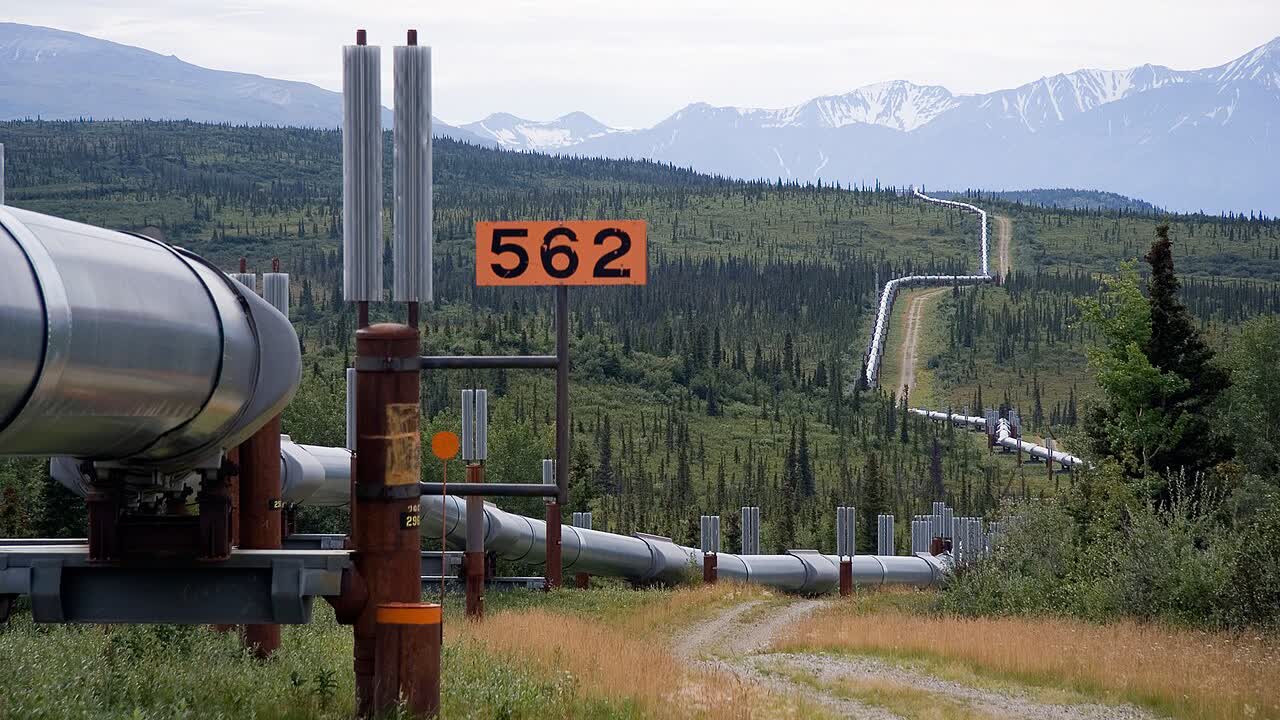
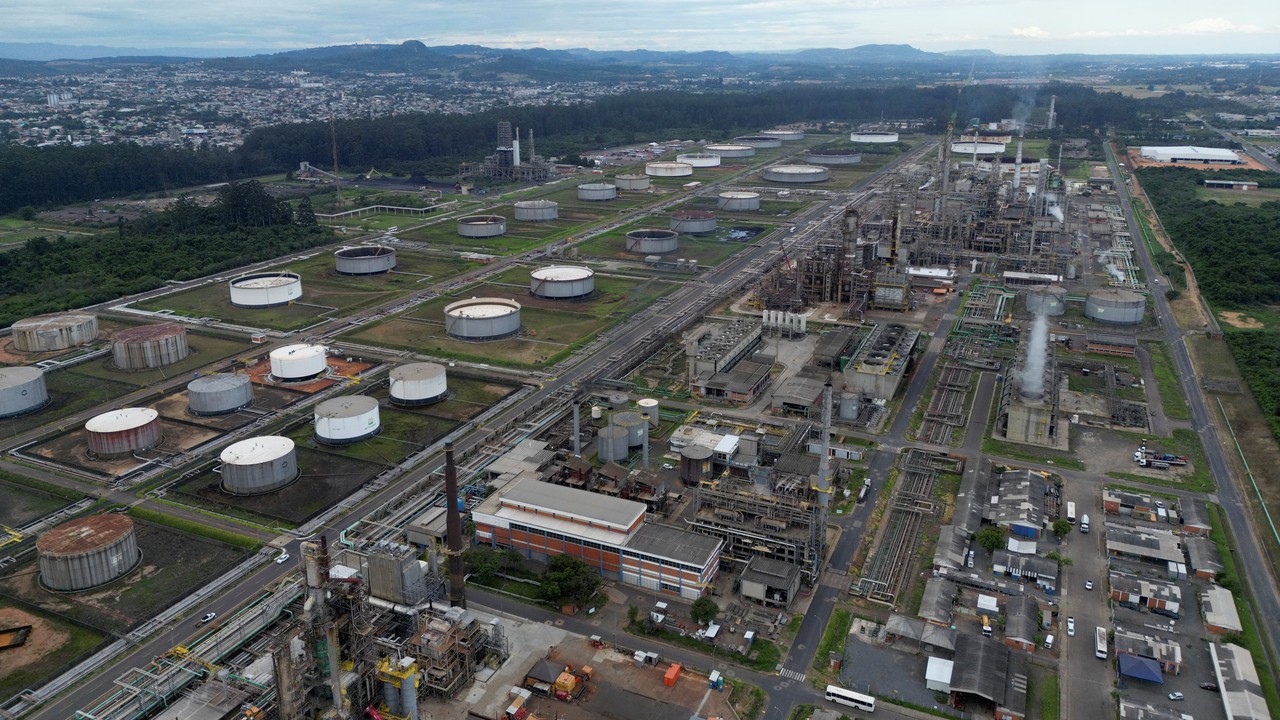
With a record production of nearly 3 million barrels per day, Petrobras resumes importing diesel in July, highlighting the bottleneck in Brazilian refining.

-
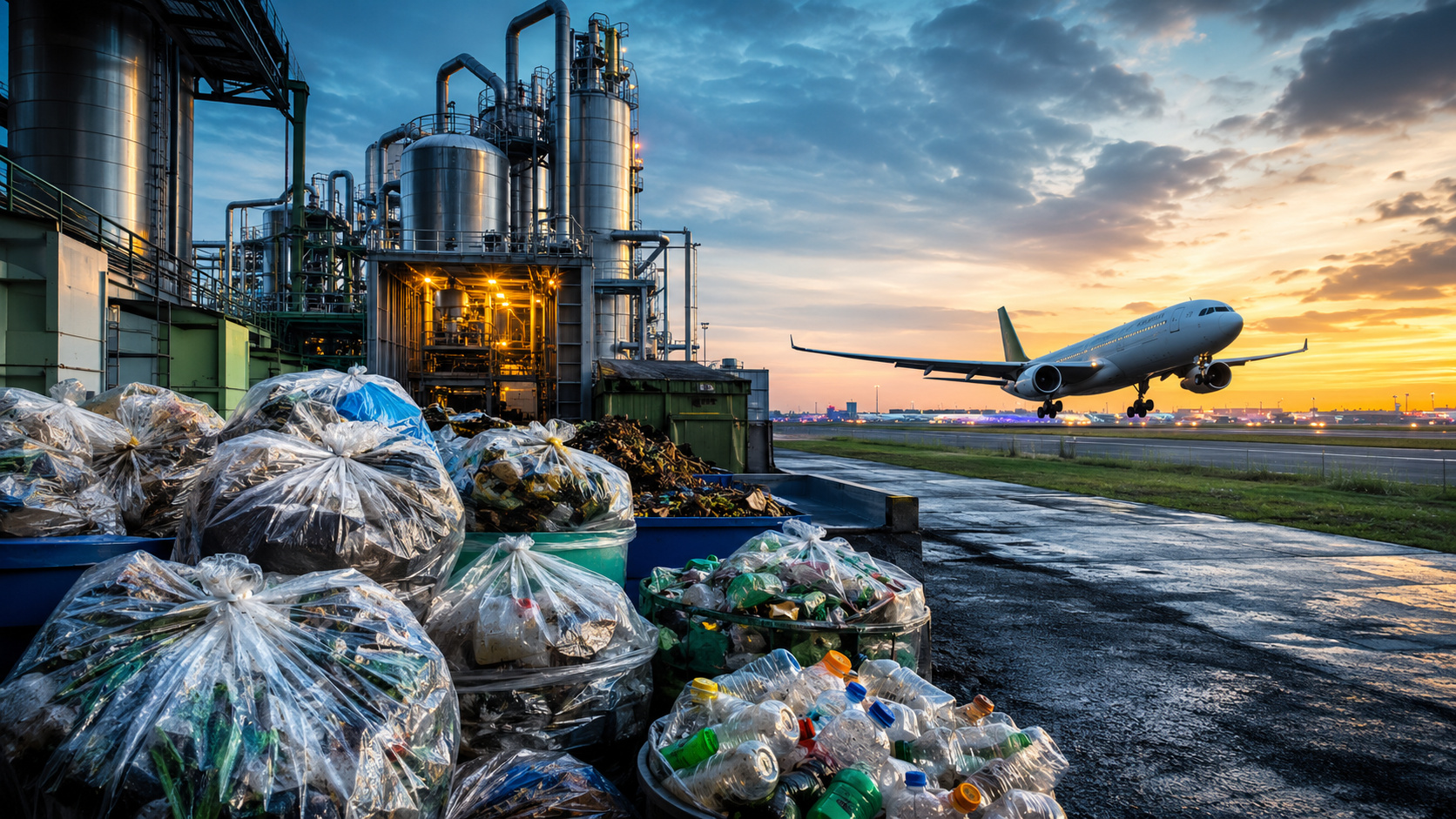
Qantas and Airbus Invest in Company Aiming to Convert Unsorted Household Trash into Jet Fuel

-
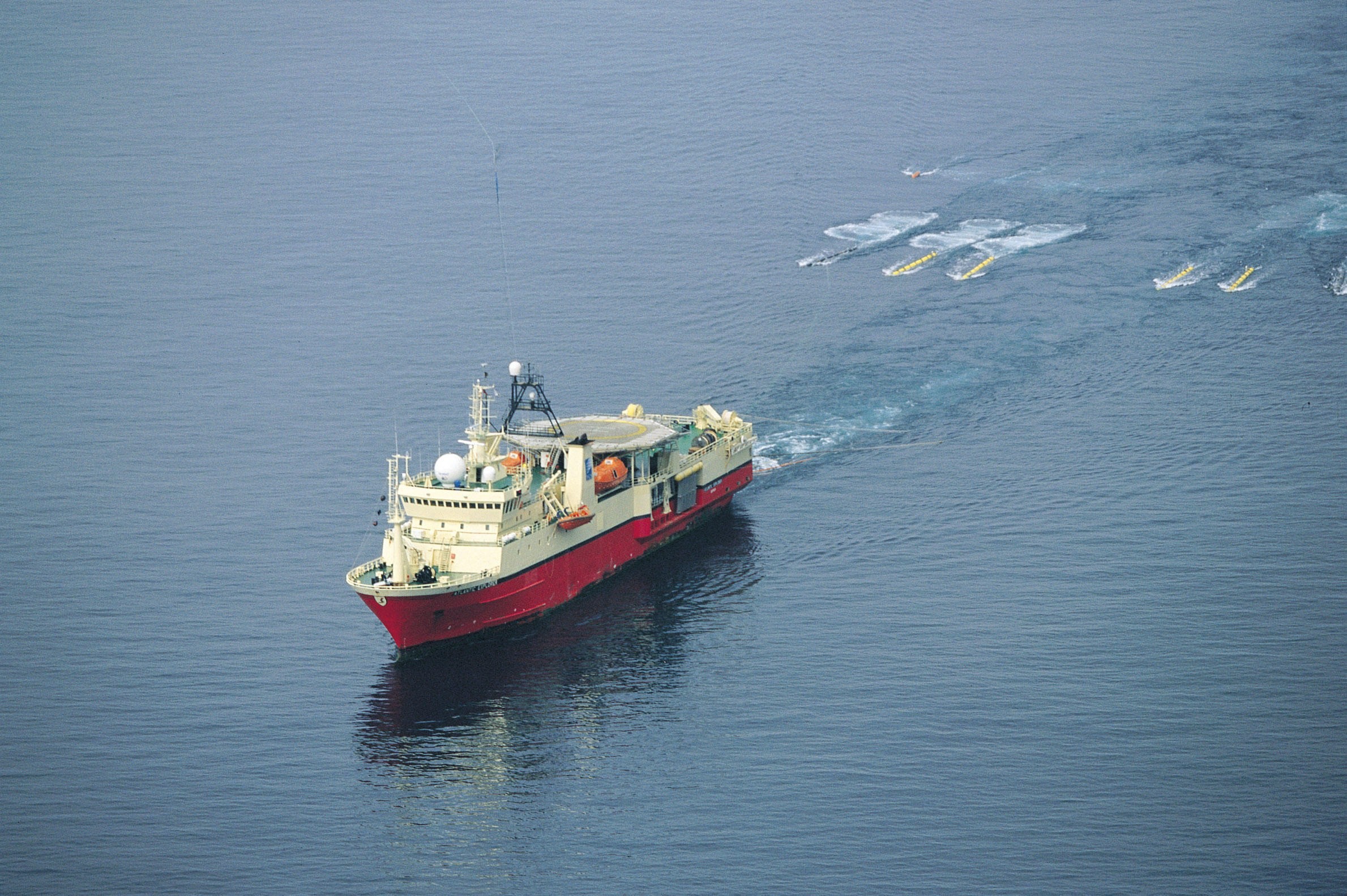
Brazil’s ANP Opens 86 New Oil Blocks in the Equatorial Margin, Expanding the Amazon River Mouth Frontier

-
OPEC+ Boosts Oil Supply by 188,000 Barrels per Day in July 2026, Leading to Price Drop from $112 to $89 per Barrel in Under Two Months
Measures for 2025: Impact of Over R$20 Billion
Government sources estimate an inflow of over R$20 billion into the federal treasury by 2025. Other initiatives will also have financial impacts in 2026, further consolidating the importance of oil for revenue.
The measure with the greatest individual impact is a bill sent to the National Congress last week. It authorizes the sale of oil from the federal government in adjacent areas of the Tupi, Mero, and Atapu fields, with an expected R$15 billion. Other initiatives for 2025, some of which will also impact 2026, complement this main action. Notably, the approval by the National Agency of Petroleum (ANP) of the production individualization agreement for the Jubarte field is expected to yield R$2 billion. Additionally, R$150 million is anticipated from the signing bonuses of the blocks auctioned in the ANP’s permanent offer round. Completing the set of measures for this period is also the ANP’s approval of the redefinition of the Sapinhoá field, with an additional R$100 million.
Additional Actions in 2025 and Benefits for States and Municipalities
The change in criteria for special participations is a clear example. This is a type of royalty charged in highly productive areas under a concession regime. The change, affecting the Tupi field, is expected to generate R$9 billion in total. Of this amount, R$4.5 billion will go to the federal government and R$4.5 billion will be shared among states and municipalities. Furthermore, the ANP’s approval of the revision of reference prices for oil, effective from July, will contribute R$3 billion. Of this amount, R$1.5 billion will be allocated to the federal government and the remaining R$1.5 billion will go to states and municipalities.
Projections for 2026: New Auctions and Increased Revenue from the Sector
For the year 2026, the government plans additional actions to boost revenue from the oil sector. One of them is the increase in revenue from the sale of oil by the federal government through Pré-Sal Petróleo S.A. (PPSA). The projection is that this revenue will increase from R$17 billion to R$25 billion, representing a gain of R$8 billion. Additionally, the signing of joint statements between the Ministry of the Environment and the Ministry of Mines and Energy is expected. This measure aims to auction new exploratory blocks located in the Campos, Santos, Espírito Santo, and Pelotas basins, with a potential revenue of R$1 billion.