






 Portuguese
  Spanish
  2 min of reading
  0 comments



New Government Proposal Provides Free Electricity, Discounts, and Energy Market Opening
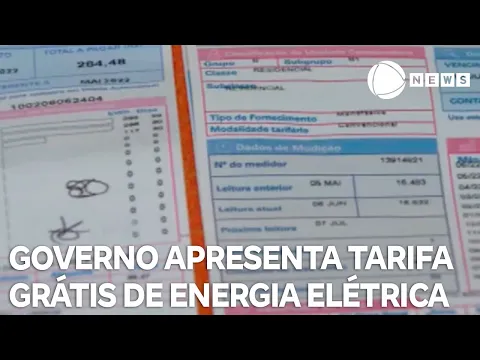
A proposal from the Ministry of Mines and Energy could transform the electric sector in Brazil, ensuring free electricity for 4.5 million families, as well as discounts for up to 99 million consumers. The plan also provides for Brazilians to freely choose their electricity supplier, breaking the current monopoly of distributors, according to the website Uol.
Who Will Have Free Electricity?
The benefit of the New Social Tariff would assist families with an income of up to half a minimum wage per person, registered in CadÚnico, and who consume up to 80 kWh/month. In this case, the bill would be completely exempt.
Families registered in CadÚnico with consumption above 80 kWh would also benefit from progressive discounts. For example, those consuming 100 kWh would pay the equivalent of 20 kWh.
-
Brazilian Joins Homeownership Consortium, Faces Decade of Dual Payments Totaling $141,000, Surpassing Traditional Mortgage

-
Land Rover to Halt Production in July, Putting 371 Jobs at Risk, as Chinese Automaker Negotiates to Convert Factory to 100,000 Vehicles Annually by 2027

-
Mexican Pest Threatens U.S. Cattle Herds at Historic Lows, Potentially Boosting Brazilian Beef Exports as Burger Prices Soar

-
Brazilian Freight Bill Progresses in Congress with $5,000 Minimum Wage, 70% Advance Payment, and Fines Up to $1 Million, as Agriculture and Industry Warn of Rising Costs and Legal Uncertainty


The proposal includes an intermediate discount range for families with an income between half and one minimum wage per capita, with consumption of up to 120 kWh/month, resulting in a average reduction of 11.8% on the bill.

Target Audience Also Includes:
- Indigenous and quilombola people (already exempt up to 50 kWh);
- Elderly and disabled people receiving BPC;
- Families with solar energy in isolated communities.
The proposal also provides that consumers can choose between supply companies, compare rates, and opt for renewable sources. According to the government, this breaks the monopoly and stimulates competitiveness.
Who Will Pay the Bill?
The estimated cost is R$ 4.45 billion per year, funded by the CDE fund and by an average adjustment of 1.43% in the bills of other consumers — an increase that, according to the government, would be temporary.
Despite the announcement, the Civil House and Minister Fernando Haddad state that the text has not yet been formally presented. Minister Alexandre Silveira guarantees that the plan has support from President Lula and may be sent to Congress via Provisional Measure.





Be the first to react!