






 Portuguese
  Spanish
  3 min of reading
  27 comments




A Government Proposal May Bring Back Union Contributions, But in a New Format.
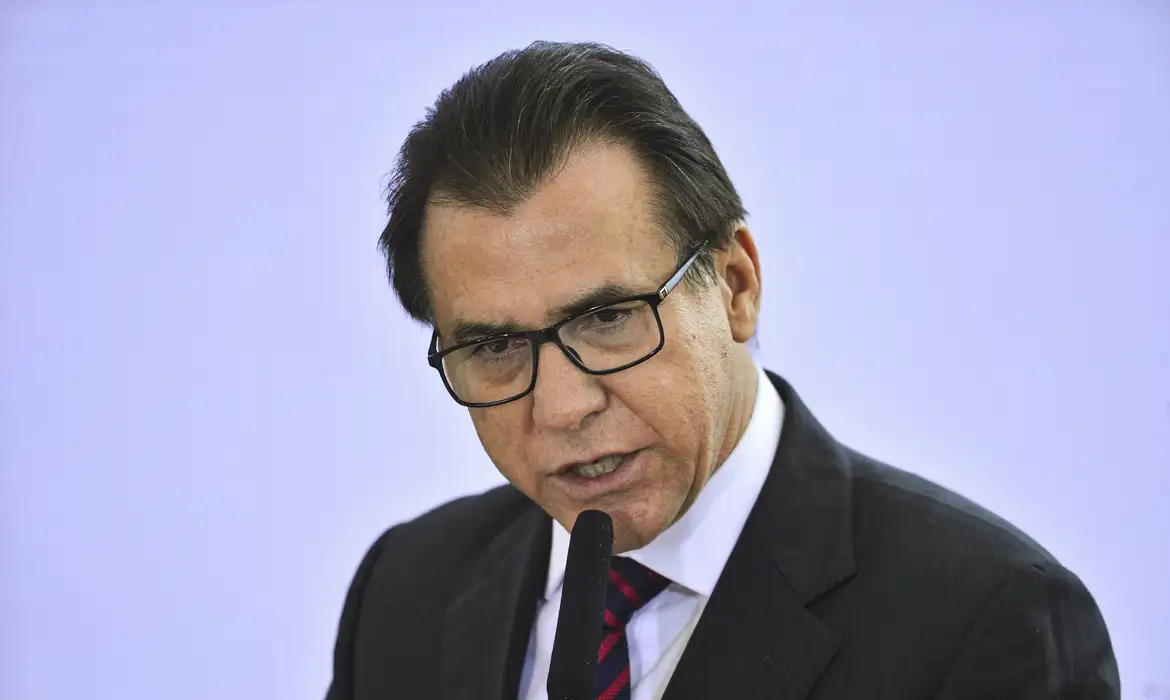
The Minister of Labor, Luiz Marinho, revealed that the new union contribution will be presented by a parliamentarian, not directly by the government. According to him, the decision aims to facilitate the approval of a sensitive issue in Congress.
Representative Luiz Gastão (PSD-CE), who is part of an informal group with unions and employer confederations, is expected to present the text by the end of February.
The proposal suggests that all workers who benefit from negotiated increases contribute financially to the unions.
-
FIRJAN’s mega plan of R$ 526.3 billion for Rio de Janeiro aims to revive Brazil’s largest industry, with two-thirds of the investments going to oil and gas.

-
China signals an increase in beef imports, Brazil has already consumed 70% of the 1.106 million ton quota and seeks to renegotiate the tariff that jumps from 12% to 55%, while demand from the US also skyrockets.
-
Food inflation rose 302% in 20 years in Brazil, but the supermarket changed: purchasing power yielded 87% more mortadella and 31% less fruit, and ultra-processed foods took over the cart.
-
Petrobras sells the first batch of 3,800 m³ of aviation fuel made with certified soy, capable of reducing emissions by up to 70%, in an unprecedented project that anticipates the aviation sector’s requirements expected for 2027.



In an interview withO Globo, Marinho explained that the goal is to ensure the funding of union entities, which were harmed by the abolition of the mandatory union contribution with labor reform.
“It was correct to abolish the compulsory tax that existed regardless of whether there was a benefit or not.,” the minister argued.
He compared the model to condominium management: “If a condominium approves in assembly the modernization of the building’s front desk, will those who are against it not contribute to the extra fee? They can complain, but they must pay“
Resistance in Congress
The proposal is expected to face strong resistance in Congress. Marinho admitted that approval will depend on extensive political coordination.
He emphasized that the proposed model reduces state intervention and prioritizes parity councils between workers and companies, which favors more flexible negotiations.
Still, the topic divides opinions. Some parliamentarians fear that the measure will reinforce the financial dependence of unions without modernizing their practices. The government seeks consensus to avoid new political clashes.
Challenges in Regulating Apps
Another sensitive point addressed by the minister is the regulation project for app drivers. Marinho highlighted that the debate has been hampered by fake news spread on social media. According to him, influencers distorted the content of the proposal, confusing the category.
“The project was contaminated by lies. When workers read the text, they realized it was different from what was said on social media,” he criticized.
The proposal aims to ensure that at least 70% of the fare paid by passengers is passed on to the driver, combating “super-exploitation.” Marinho defended that regulation will increase safety for workers, but acknowledged the need for adjustments to meet the demands of digital platforms.
End of the 6×1 Shift
Another controversial topic raised was the work schedule in the 6×1 model. The minister classified the format as “cruel” and suggested its gradual replacement with new collective agreements.
He assured that changes will not bring financial losses to workers and will be negotiated on a case-by-case basis.
For essential sectors, such as health and transport, which operate daily, Marinho suggests alternatives that reconcile the quality of life of employees with operational needs.
The government intends to advance negotiations by the second semester, seeking to implement changes that modernize work relations without causing disruptions in the market.






Além de um dia no ano eu já pago isso mensalmente já vem descontado do holerite 1,5% e quer mais ? …..
Já pago a mensalidade do sindícato pra isso.
O problema não são as contribuições sindicais, mas sim a unicidade sindical, que foi criada por Mussolini, importada por Getúlio e que só existe no Brasil, que não assinou a Convenção da OIT sobre liberdade sindical. É o único pais(entre as democracias) onde esse modelo existe. A liberdade sindical permite a existência de mais de um sindicato por categoria, que têm que oferecer melhor serviço aos sindicalizados e permite que o trabalhador opte a qual pertencer. Enquanto isso não acontecer, os sindicatos são feudos de poucos que enchem o bolso de dinheiro e servem vcs sabem a quem.