Portuguese
  Spanish


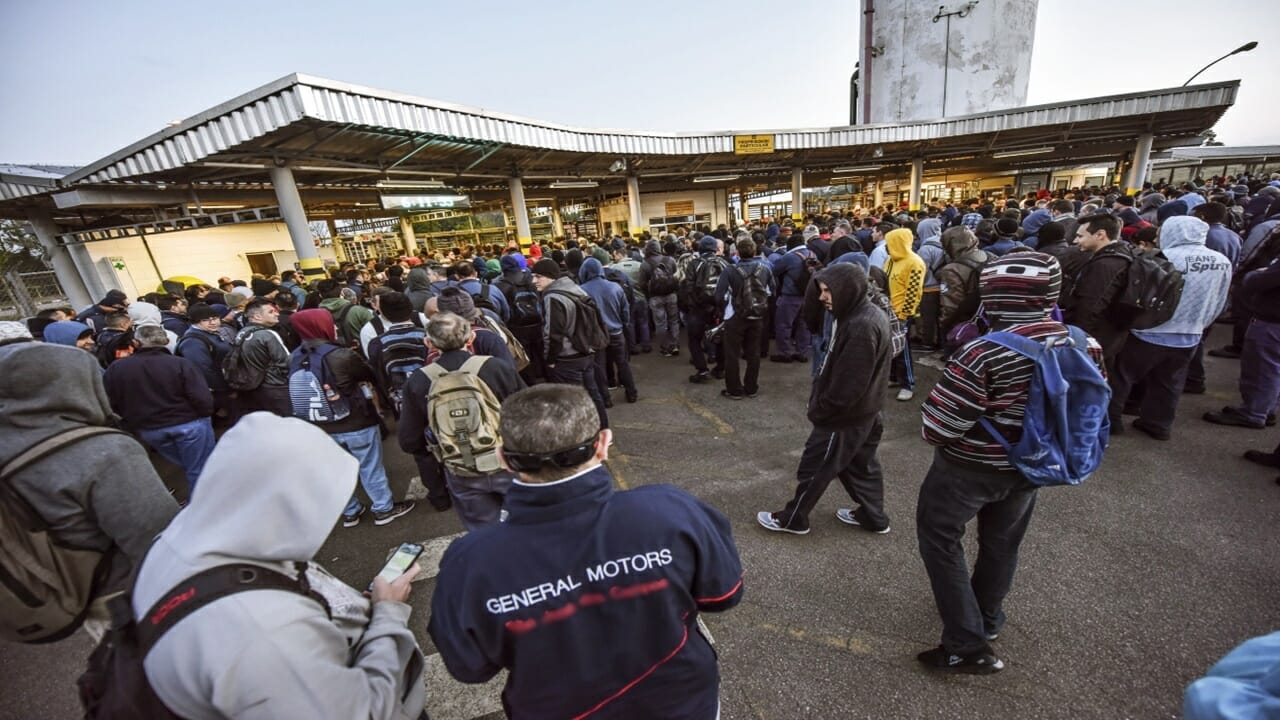

Chaos Takes Over Global Giants Ford, GM, and Stellantis: About 13 Thousand Workers Go On Strike and Paralysis May Extend to Other Units in the Country
An Unprecedented Strike Shook Three Giants from Detroit: General Motors, Ford, and Stellantis. In a historic move, nearly 13 thousand workers walked out yesterday, September 15, marking an unprecedented chapter in the history of the automotive industry.
What was looming on the horizon has become a reality in the automotive landscape of the United States, leaving not only the UAW union, but the entire market in suspense.
Impactful Strategy on Production Lines: Strike at Automakers Affects Production and Global Market
The strike directly impacted the production lines of automakers, affecting profitable models such as the Ford Bronco, Jeep Wrangler, and Chevrolet Colorado. The goal of the measure is clear: increase pressure on manufacturers and their suppliers. The paralysis occurs at a crucial moment when negotiations seemed to stagnate, despite the wage increases proposed by companies.
-
End of an era in Brazil: beloved sedan by Brazilians is discontinued despite having a 2.0 engine with 151 hp, CVT transmission, 466-liter trunk, and up to 650 km of range.

-
New Law Proposal in Brazil Could Heavily Penalize Drivers: Dangerous Overtaking May Become a Serious Offense with Fines Increased Tenfold and a 12-Month License Suspension; Update on 2026 Progress

-
Electric Revolution: Watts W125 Motorcycle Offers 160 km Range, 90 km/h Speed, and Affordable Price Starting at $3,000
-
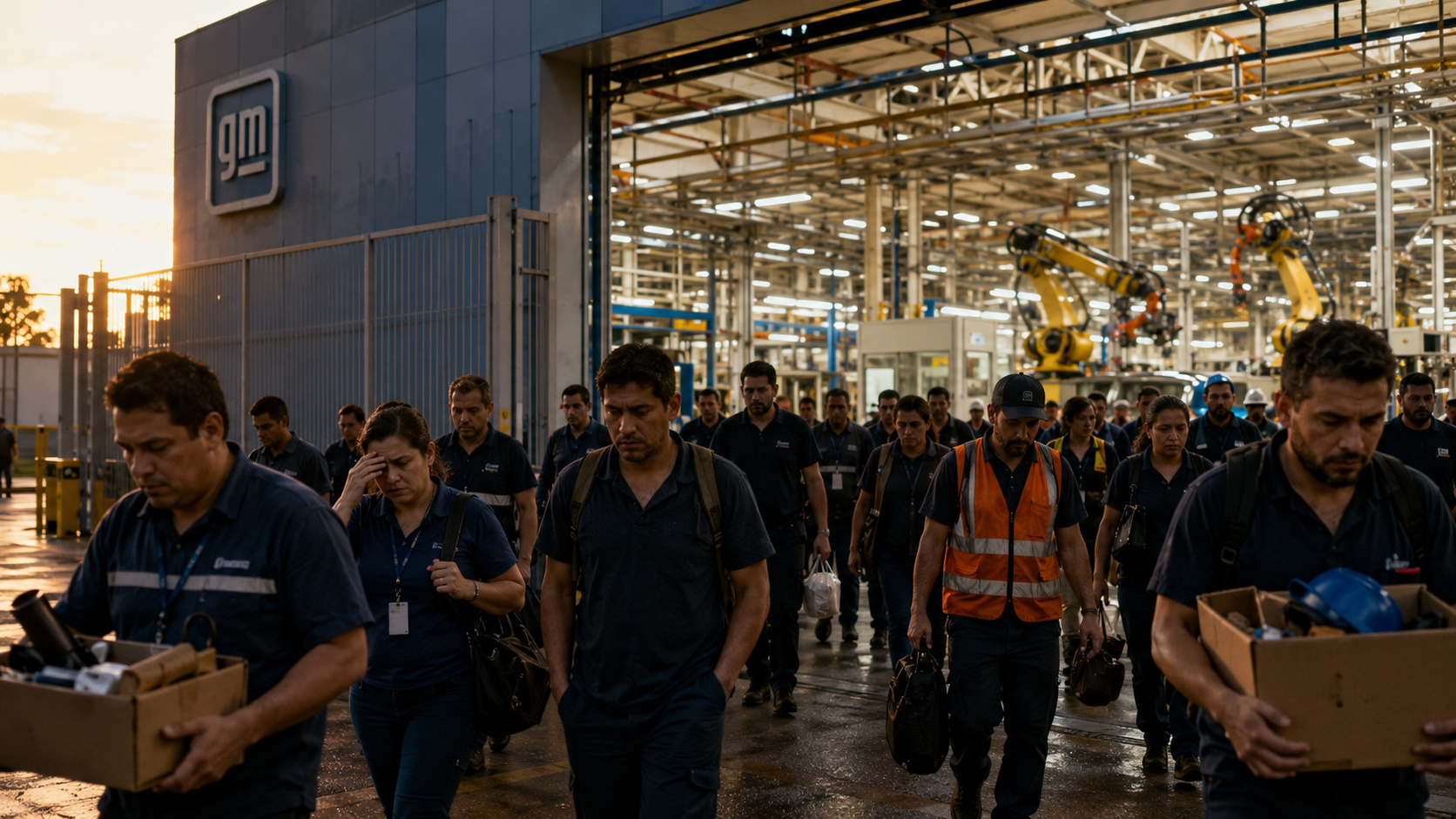
General Motors Replaces Over a Thousand Workers with 50 Cobots at Electric Vehicle Plant, UAW Union Criticizes Move Amid Industry’s Automation Push




Historic, Unprecedented, Simultaneous Strike and Its Consequences for the Automotive Sector
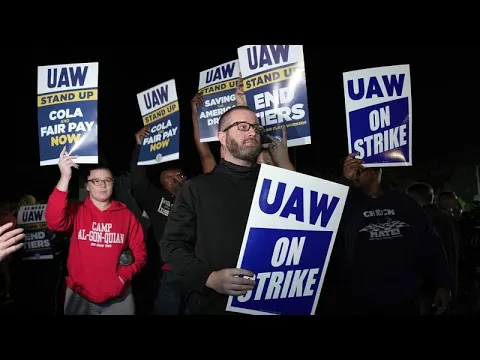
Throughout its 88 years of existence, the union of automotive workers, the UAW, had never orchestrated a simultaneous strike against the three companies. This historic movement began at strategic locations, such as the GM assembly plant in Wentzville, where models like the Chevrolet Colorado and GMC Canyon are produced, and the Ford plant in Michigan, responsible for the Bronco and Ranger pickup. Additionally, the Stellantis assembly complex in Toledo, Ohio, which manufactures the Jeep Gladiator and Wrangler, was also affected.
With the president of the United Auto Workers (UAW), Shawn Fain, at the forefront, the strike did not limit itself to these factories. Activities were halted at a GM plant in Missouri, a Stellantis facility in Ohio, and a Ford plant in Michigan. The economic impact is substantial, with the paralysis projected to interrupt the production of up to 24 thousand vehicles per week, which can have significant effects on the automotive sector in the U.S.
Workers Fight for Guarantees That They Will Not Be Harmed by the Increasing Manufacturing of Electric Vehicles
Aside from wage issues, workers also seek guarantees that they will not be disadvantaged by the growing production of electric vehicles, encouraged by the U.S. government. It is estimated that this new technology might compromise about 30% of jobs in the coming years. The automakers, on the other hand, express their disappointment at the strike, even after offering substantial economic packages and historic wage increases.
GM, in a statement, expressed its disappointment with UAW leadership, despite the substantial proposals presented, while Stellantis voiced its frustration with the union leadership’s refusal to negotiate responsibly. As of the writing of this article, Ford had not issued an official statement.
Impact of the Strike Goes Beyond Production Lines
The strike at the automotive giants in the U.S. is not just an isolated event within the factories, but a phenomenon that resonates throughout the automotive industry and beyond. The workers are defending their rights and protecting their jobs amidst a landscape of technological change, while companies face the challenge of maintaining production and innovation in an increasingly competitive market.
The battle between the union and automakers not only affects current production but also shapes the future of the American automotive industry. As the strike continues to attract attention, the impact on the economy and the job market may be felt on a national scale, leaving all parties involved eager to see how this historic impasse will unfold. We will closely follow the developments of this strike that is shaping the future of the sector.