Portuguese
  Spanish




Strike Initiated on December 16 Raises Uncertainties About Deadlines, Agency Operations, and Negotiations Mediated by TST
A nationwide labor mobilization has recently gained momentum and has begun to draw the attention of consumers, companies, and the logistics sector.
On the night of December 16, workers’ unions of the Postal Service approved and initiated a strike in nine states, including São Paulo, Rio de Janeiro, and Minas Gerais, which concentrate the largest operational bases of the state-owned company.
Since then, questions have arisen regarding delivery delays, suspension of services, and potential impacts on the routine of postal services.
In light of this initial scenario, the company reported that it has activated contingency measures to preserve the continuity of essential activities.
Official Position Indicates Maintenance of Services
According to a statement released by the Postal Service, all agencies remain open and deliveries continue to occur nationwide.
Currently, according to data from the state-owned company, approximately 91% of the workforce remains active, which, for now, reduces the risk of widespread interruption.
In addition, of the 36 unions representing employees, 24 did not join the strike, a factor that contributes to the partial maintenance of operations.
Nonetheless, as the movement is in its early days, the practical impacts are still being assessed.
Scope of the Strike Expands to Other States
In addition to the major centers, the strike was also approved in Matto Grosso, Ceará, Paraíba, Paraná, Rio Grande do Sul, and Santa Catarina.
As a result, the mobilization gains greater reach and increases attention on potential regional repercussions.
Despite this, the company emphasizes that it continues to monitor the situation and adjust schedules to minimize impacts on the population.
Still, consumers remain alert to potential logistical delays and changes in service.
-
Latin America’s Largest Port Invests $400 Million in Rail System with Trains Up to 2.4 Kilometers Long
-
New Smart Radar Begins Issuing Fines to Solo Drivers in Carpool Lanes, Uses Cameras to Count Occupants, Changing Traffic Enforcement Rules on Busy European Roads

-
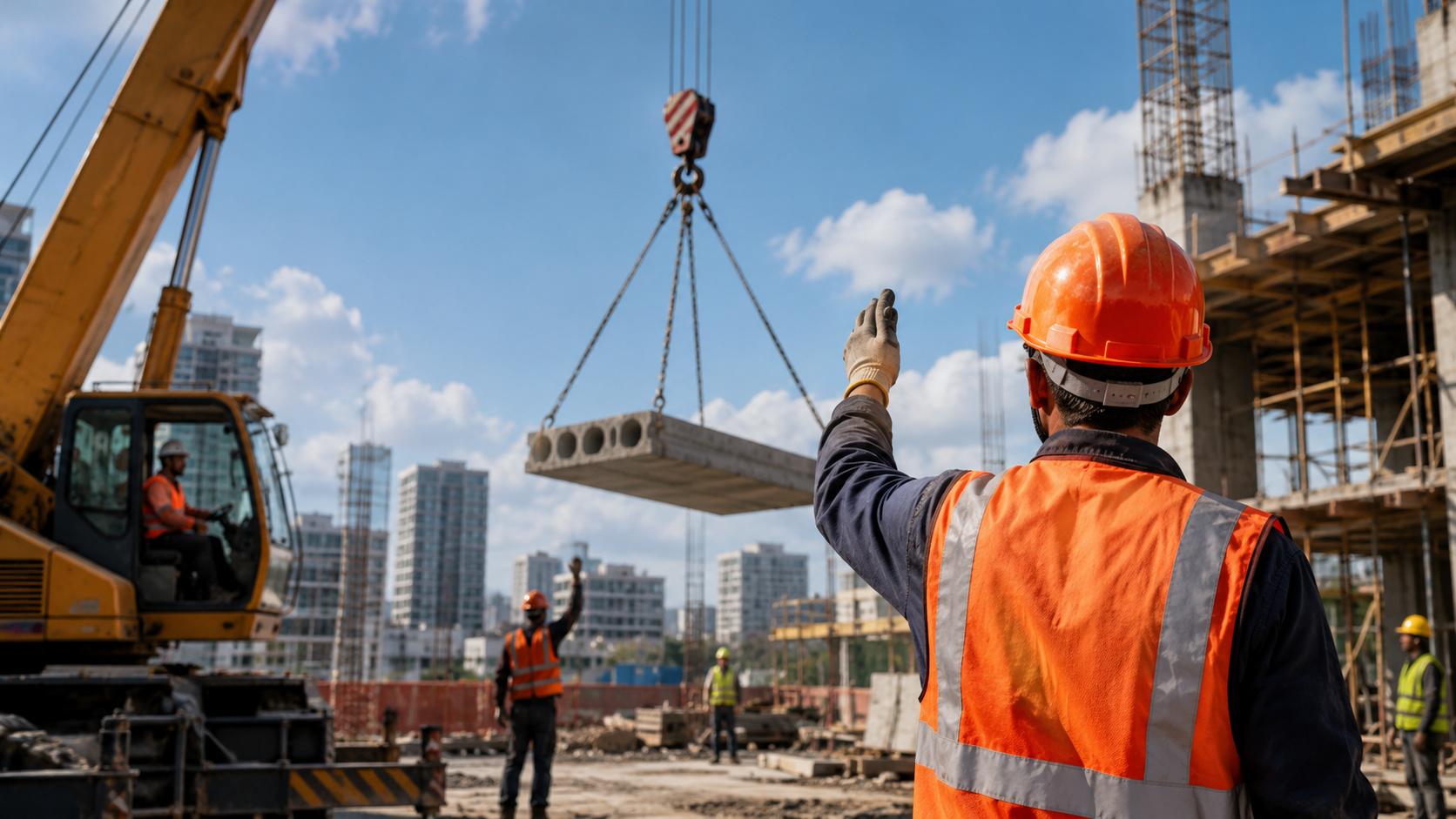
Why can the crane operator only obey the correct signalman on the construction site: among dozens of workers, a hand raised by the wrong person can confuse the maneuver and turn a load of tons into an immediate risk.
-
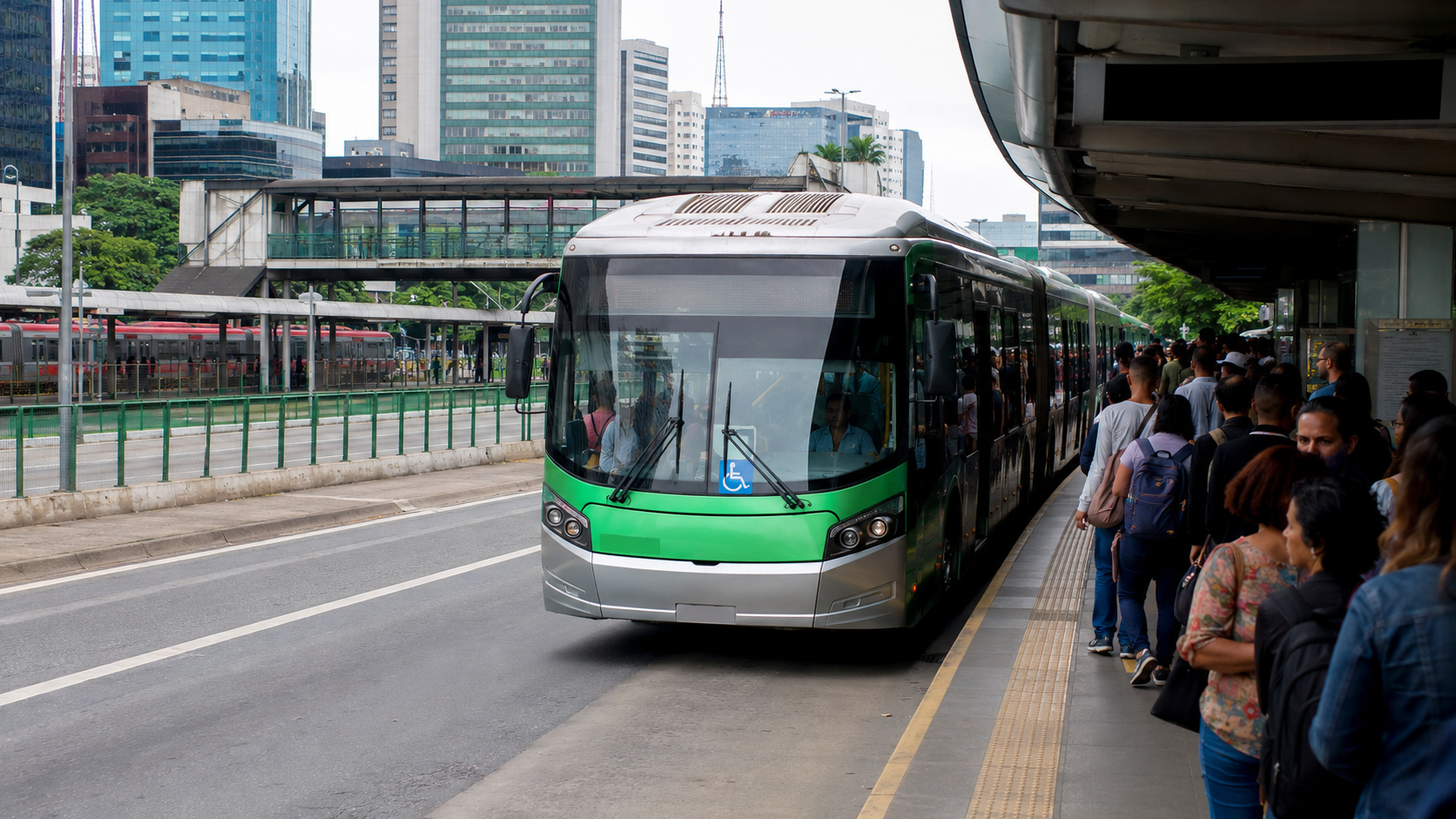
What changes with the new public transportation rules that can reduce pressure on fares and pave the way for zero fare in Brazil?

Strike Occurs Amidst the State-Owned Company’s Financial Crisis
The labor movement is taking place at a particularly sensitive time for the Postal Service.
The state-owned company is facing a serious cash crisis, with an accumulated loss close to R$ 6 billion, according to information from the administration itself.
In light of this situation, the company has been structuring measures to attempt to rebalance its finances and ensure sustainability in the medium term.
This financial context directly influences negotiations with the workers.
Restructuring Plan Deepens Labor Tensions
In November, the Postal Service administration approved a restructuring plan with measures considered deep.
Among them are the closure of up to a thousand unprofitable units, the creation of a voluntary dismissal program, and the sale of up to R$ 1.5 billion in real estate.
Furthermore, the company is considering changes to benefits, including restructuring the health plans, a central point of the union demands.
This set of actions intensified the climate of concern among employees.
Institutional Dialogue Continues Under TST Mediation
Despite the criticisms of the plan, the Postal Service claims to maintain its commitment to responsible dialogue, the sustainability of the company, and the preservation of jobs.
In an official statement, the state-owned company emphasized that negotiations are ongoing under the mediation of the Superior Labor Court, the TST.
Meanwhile, discussions continue with the workers’ representatives in an attempt to build a consensus.
In the interim, the country is watching the developments of the strike and its potential effects on deadlines, services, and the future of Brazil’s largest public logistics company.
In light of this scenario, do you believe the priority should be to preserve the continuity of postal services or to accelerate structural changes to ensure the financial sustainability of the Postal Service?