





 Portuguese
  English
  Spanish
  4 min of reading
  0 comments


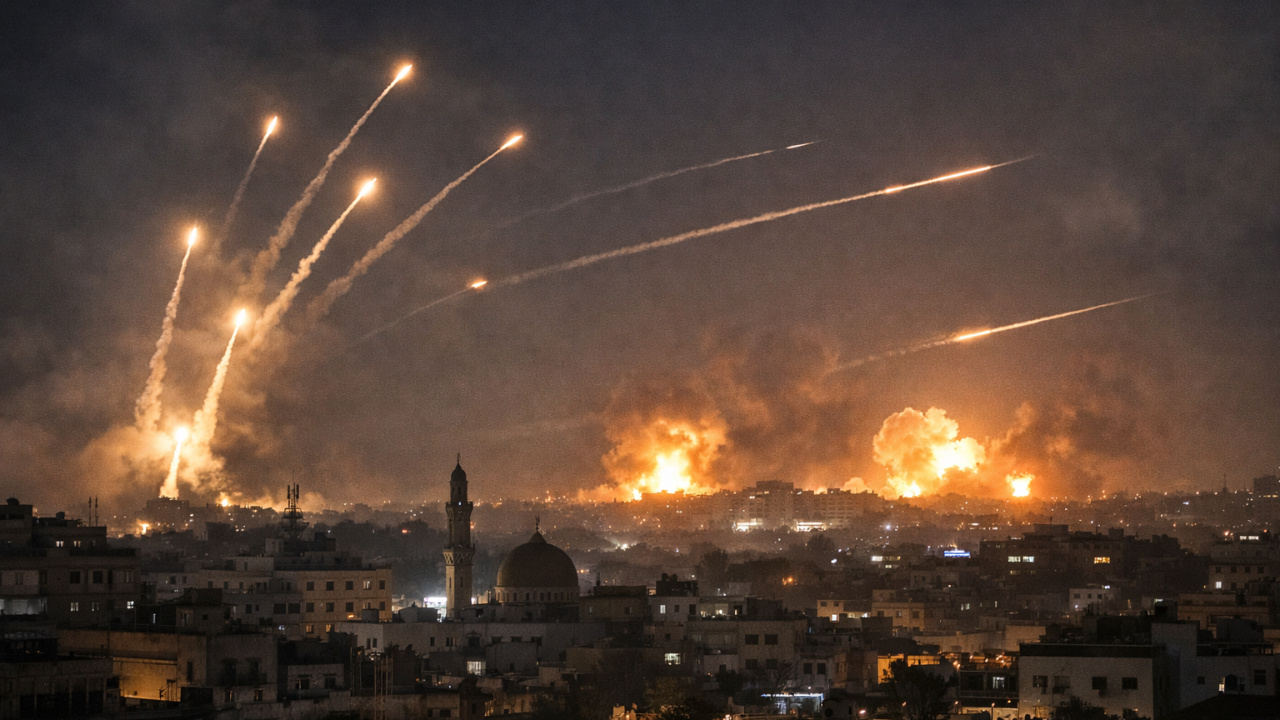
Iranian Retaliation After US And Israel Attack Escalates Conflict And Affects Flights, Military Bases And Nuclear Negotiations.
The Iran War has entered a new and dangerous chapter on Saturday morning (28), when a US Attack carried out in conjunction with Israel Iran hit multiple targets in Iranian territory.
The offensive occurred amid diplomatic negotiations regarding Tehran’s Nuclear Program and provoked a rapid Iranian Retaliation, which included missiles against Israel, American bases in Bahrain, and impacts in the United Arab Emirates and Qatar.
The episode marks a regional military escalation with immediate repercussions on civil aviation, the Iranian internet, and Gulf security.
-
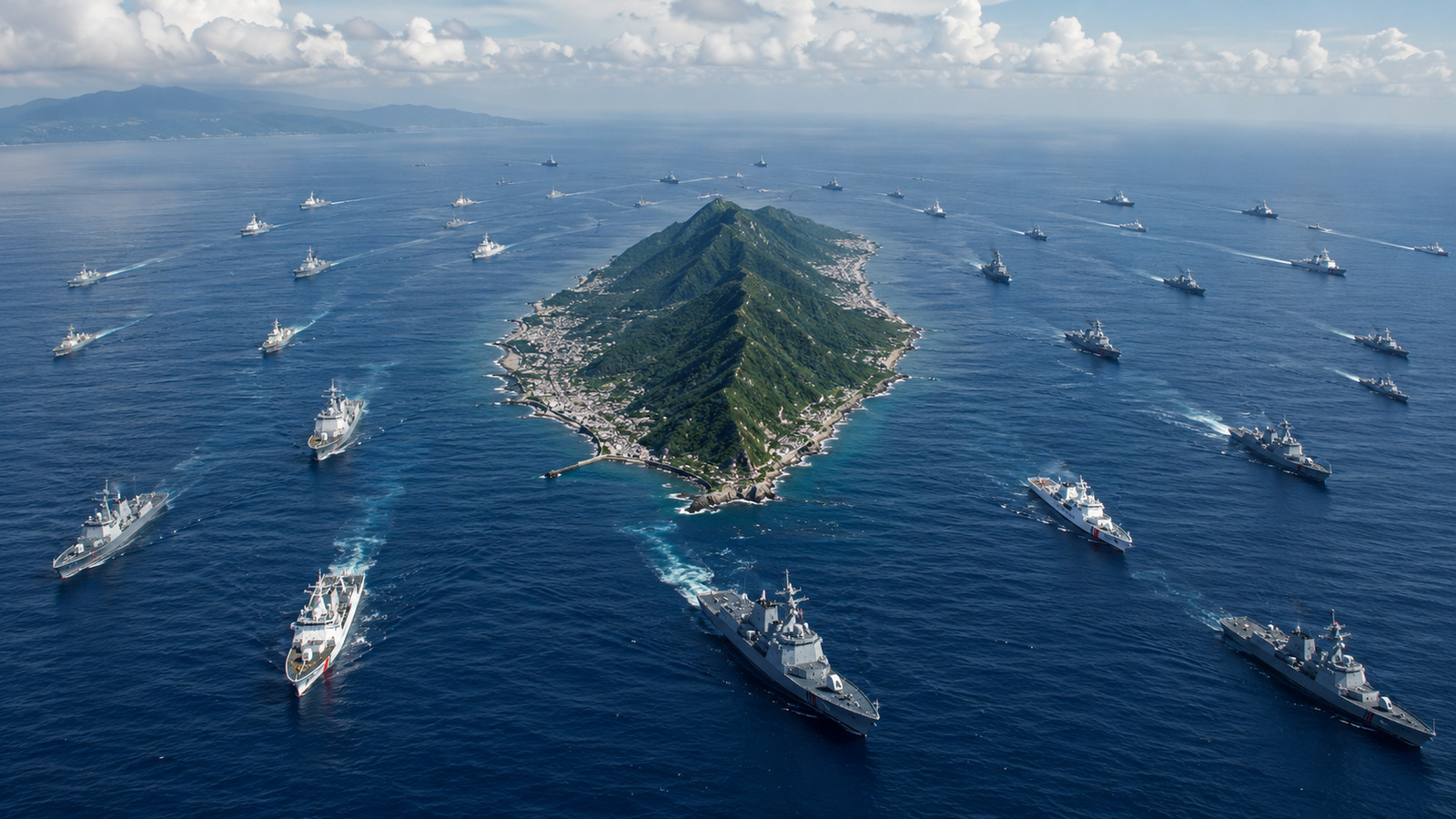
More than 100 Chinese ships are surrounding Taiwan, warns the head of the country’s National Security Council.

-
Trump’s announcement about sending 5,000 American soldiers to Poland was received with relief by European allies, but it also raised doubts within NATO about the United States’ strategy, the permanence of the troops, and the division of defense costs on the continent.

-
Yesterday, on the 21st, President Lula stated that he fears an incursion by Donald Trump into the Amazon: while the Brazilian Army advances in a transformation policy that includes troop reorganization, use of technology, and 20% of the forces in a high state of readiness.
-
The war that doesn’t appear on the front: the silent bomb of demographic collapse threatens Russia as Putin loses young people in Ukraine, babies in statistics, and talents in exile.



The President of the United States, Donald Trump, confirmed that “large combat operations” are underway and classified the action as preventive.
According to him, Iran “attempted to rebuild its nuclear program and continues to develop long-range missiles.”
Deaths, Explosions And Strategic Targets In Iran
The bombings hit several cities, including Isfahan, Qom, Karaj, Kermanshah, and Tehran. According to Iranian authorities, a girls’ primary school in Hormozgan province was hit, leaving 40 dead and 48 injured.
Attacks on sensitive government structures, such as the supreme leader’s office and the presidential office, were also mentioned.
In response, the Supreme National Security Council promised an “overwhelming response” and stated that the offensive occurred “once again during negotiations.”
Iranian Retaliation Strikes Israel, Gulf And US Bases
The Iranian Retaliation began just hours later.
Thus, the Israel Defense Forces reported missile launches against Israeli territory.
In the United Arab Emirates, debris from a ballistic missile hit a residential area of Abu Dhabi, killing a civilian.
Thus, Al Dhafra Air Base, which houses American forces, operates in the region.
Israel Defends Offensive And Cites Nuclear Threat
The Israeli Defense Minister, Israel Katz, described the operation as a “preventive attack.”
Prime Minister Benjamin Netanyahu stated that “a murderous terrorist regime” should not possess nuclear weapons “that allow it to threaten all of humanity.”
Netanyahu also thanked Trump for the “historic leadership” in the joint operation.
Nuclear Program Returns To The Center Of The Conflict
The Nuclear Program is the main point of contention.
In June of last year, facilities in Isfahan, Natanz, and Fordo were hit by previous attacks.
Trump declared that they had been “destroyed,” but the head of the International Atomic Energy Agency, Rafael Grossi, stated that the damage was severe “although not total.”
Before the bombings, it was estimated that Iran had about 440 kilograms of uranium enriched to 60%, a level close to that needed for nuclear weapons.
Grossi warned that if enriched to 90%, the material could be enough for ten bombs.
Failed Negotiations And Timing Of The Offensive
The US Attack occurred just two days after a round of indirect negotiations in Geneva.
Iran claims it participated in the dialogue while being aware of Washington and Tel Aviv’s “intentions.”
Thus, talks regarding the Nuclear Program had been dragging on since 2025 with no concrete progress.
Internet Blocked And Internal Measures In Iran
After the bombings, Iran imposed an almost total internet blackout, according to NetBlocks.
The government urged the population to avoid shopping centers and seek safer locations while stating that the supply of essential goods is guaranteed.
Global Aviation Affected By The War In Iran
The Iran War has also impacted international air travel.
Companies such as Virgin Atlantic, British Airways, Emirates, Lufthansa, and Turkish Airlines have canceled or rerouted flights to avoid the region’s airspace.
A flight from London to Doha had to turn back after covering a third of the route.
Thus, route suspensions have increased travel times to destinations in Asia and the Gulf.
Divided Reactions Among Iranians
Within Iran, reactions are contradictory.
There are reports of panic in the streets after the explosions, but also expressions of relief among regime opponents.
“If I die, do not forget that we also exist,” wrote an Iranian on social media. Another stated: “Cursed be the Islamic dictatorship that caused this war. We have already suffered three wars.”
On the other hand, many fear that the offensive will not overthrow the government and will result in even harsher repression.
Military Escalation Concerns The International Community
The combination of US Attack, participation of Israel Iran, and Iranian Retaliation increases the risk of a large-scale regional conflict.
Thus, the presence of American military bases in the Gulf and the indirect involvement of neighboring countries increase the possibility of new confrontations.
Meanwhile, the impasse regarding the Nuclear Program remains unresolved, keeping the Middle East on high alert.
See more at: US And Israel Attack Iran And The Country Responds: What Happened So Far – BBC News Brazil





-

1 person reacted to this.