






 Portuguese
  Spanish
  3 min of reading
  0 comments


Data Centers Consume Billions of Liters of Water and Raise Concerns in Rural Areas, Affecting Communities.
The growing demand for connectivity, artificial intelligence, and digital services has driven the accelerated construction of data centers in the United States.
Located mostly in small towns and rural areas, these massive server complexes consume significant amounts of energy and, primarily, water — a factor that is already generating conflicts with residents and environmentalists.
In rural Georgia, where the humid climate favors the use of natural water for cooling, large tech companies have installed their structures.
-
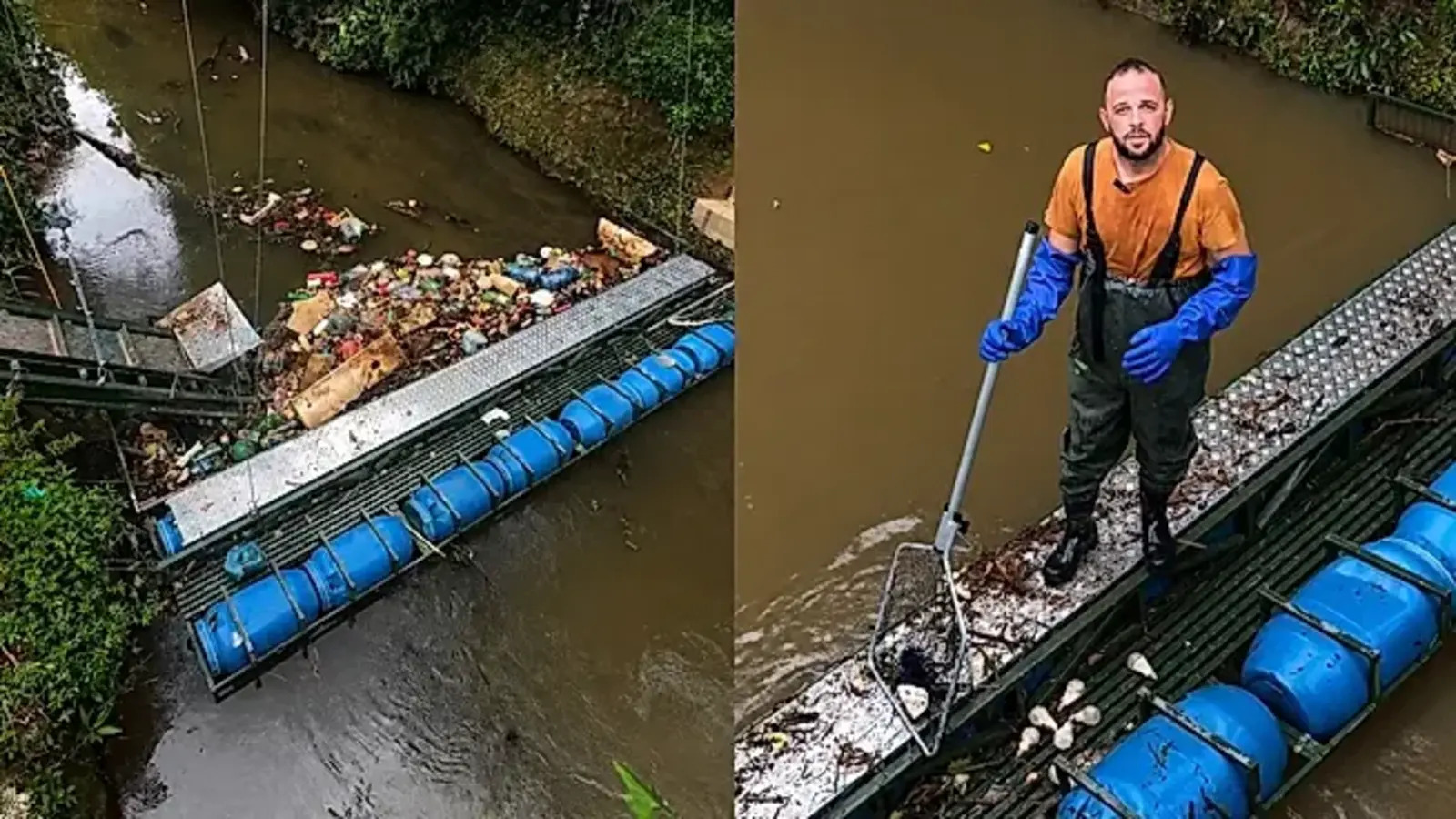
Brazilian promises his children to save a river, creates an eco-barrier in his backyard, has already removed more than 40 tons of trash from the water, and even inspires the idea in other states of the country.

-
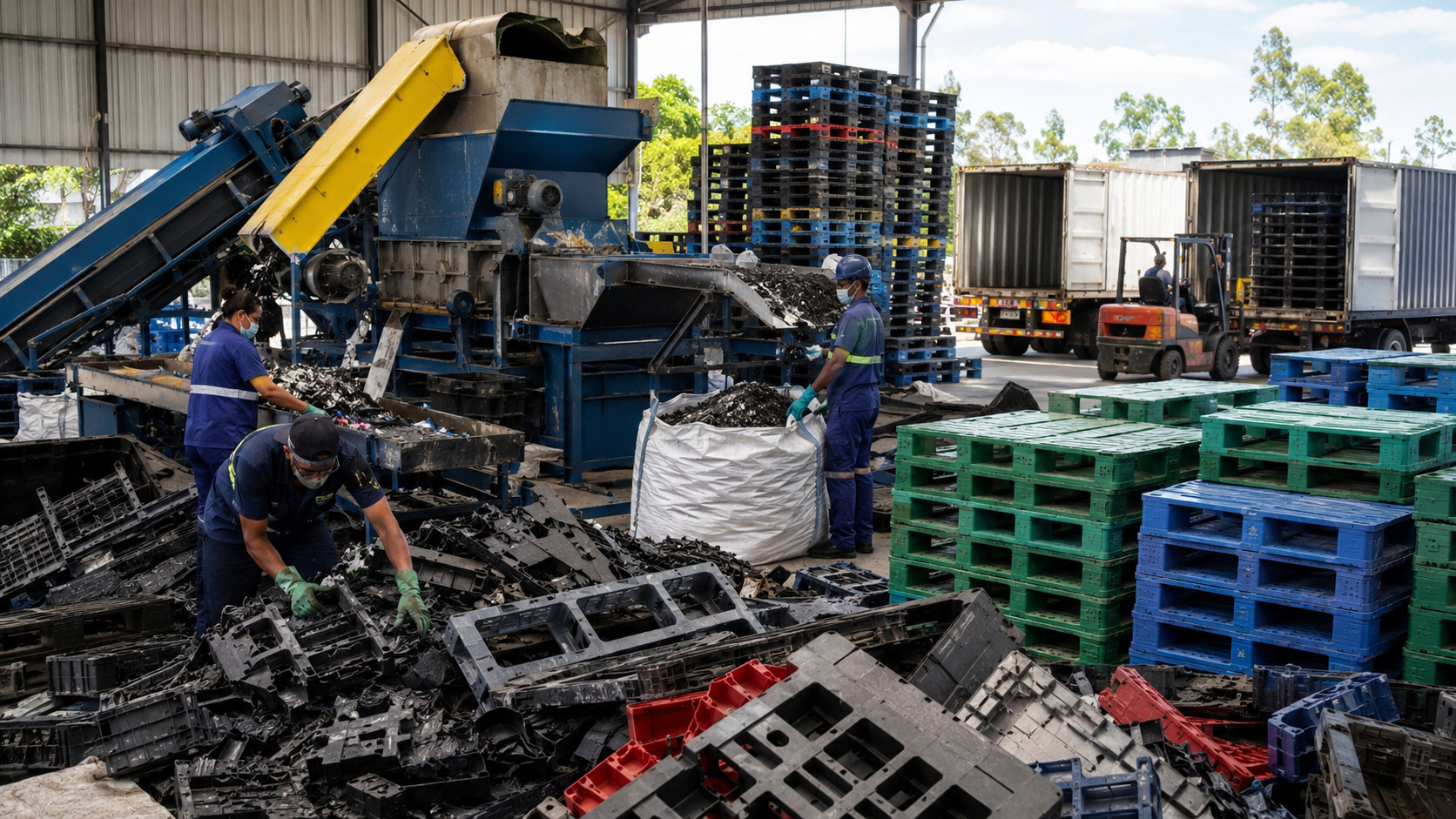
How a Brazilian company created a system that transforms broken pallets of any brand into new assets, recycles 80 tons of plastic per month, and found a profitable solution to a problem that challenges industries across the country.

-
Invasive bullfrog capable of devouring other amphibians and laying up to 20,000 eggs is found in Florianópolis, raising an alert about the threat to native fauna.
-
It looks like a baby, but it’s an adult: meet the Bornean pygmy elephant, the smallest elephant in the world threatened by habitat loss.


The choice of location is not by chance: the state offers abundant water resources and lower operating costs. However, this environmental advantage has become a source of tension.
Growth of Data Centers Raises Environmental Alarm
The operation of data centers requires constant cooling, especially on hotter days.
To achieve this, many facilities use evaporative cooling systems, which depend on large amounts of water to keep processors operating at adequate temperatures.
This model, while efficient, directly impacts the region’s water consumption.
Estimates indicate that AI-based data centers could use between 4.2 and 6.6 billion cubic meters of water by 2027, just to keep the systems active.
In rural communities, where many properties still rely on artesian wells, the increased demand for water could result in scarcity, contamination, or structural damage to domestic water supply systems.
Projects Stalled by Local Pressure
The advancement of this digital infrastructure increasingly faces community resistance. According to a survey by Data Center Watch, about US$ 64 billion in projects have been suspended or blocked in the United States due to popular mobilizations or environmental lawsuits.
Residents argue that data centers alter the local ecosystem, compromise water quality, and generate noise pollution.
Even with technical studies presented by companies to prove the safety of the ventures, discontent persists.
Nonprofit organizations have intensified monitoring of rivers, streams, and areas near the construction sites. Many reports indicate visible changes in water color, as well as signs of sediment and chemical compounds used in construction to prevent soil erosion.
The Relationship Between Technology and Water Consumption
The digitalization of modern life — from tools like ChatGPT to banking transactions — depends on the massive operation of data centers.
And while the image of the “cloud” suggests something ethereal and clean, its physical base reveals a much more complex scenario.
Each request made to an artificial intelligence system, for example, uses enough computational energy to heat the chips in a matter of seconds.
To prevent overheating, water acts as the primary cooling medium — evaporating in the process and largely being lost.
Multiplying this cycle by billions of interactions per day, the environmental impact becomes evident, especially in regions where water resources are already contested for agricultural, industrial, and domestic use.
Companies Promise Sustainable Solutions
In light of the situation, major data center operators have announced goals to mitigate water impacts. Some have promised, by 2030, to replenish more water to ecosystems than they consume.
To achieve this, they are investing in alternative technologies, such as wastewater reuse, rainwater harvesting, and limited liquid cooling only on the most critical days of the year.
There are also collaborations with local communities and farmers to restore watersheds and improve water quality around digital centers.
Still, the rapid pace of expansion may render these efforts insufficient.
Digital Future Faces Ecological Dilemmas
Digital transformation continues to advance, and with it, the number of data centers around the world is growing. Currently, there are over 10,000 units operating globally, mostly in the U.S., U.K., and Germany.
Even with attempts to reduce the environmental footprint, the ecological cost of internet infrastructure remains high — especially when located in vulnerable regions.
The coexistence between technological progress and environmental preservation will be one of the greatest challenges of the next decade. Meanwhile, residents of affected areas are already experiencing the direct impacts of the presence of these giant structures.








Be the first to react!