Portuguese
  Spanish


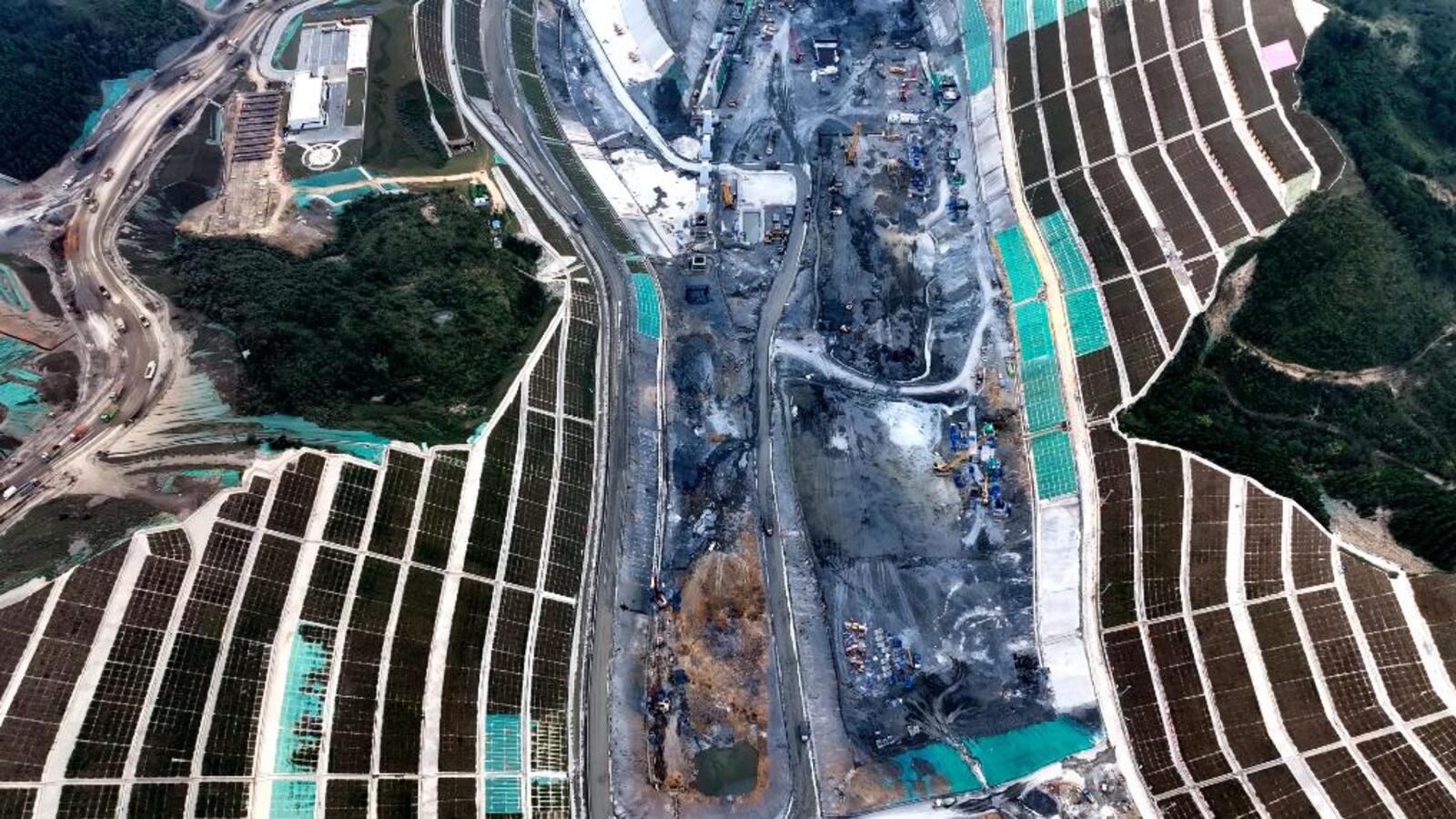


With 134 km and an investment of €9.3 billion, Pinglu Canal Will Connect China’s Interior to the Sea, Boosting Trade and Regional Economy
China continues to break records in the megaproject sector. The latest example is the Pinglu Canal, which began construction in 2022 in the Guangxi region. The project aims to create a new outlet to the sea, connecting the Yu River to the Gulf of Tonkin.
The project is part of a strategy to expand trade routes and reduce logistical costs. Once completed, it will shorten a route currently made by land by more than 500 kilometers.
Dimensions and Timeline of the Project
The canal is expected to begin operation in late 2026. The investment is estimated at €9.3 billion. With a length of 134 kilometers, it will be able to accommodate vessels of up to 5,000 tons.
-
U.S. City Builds Tiny Home Village on Water Company Land to House 136 Homeless People: Inside the Social Housing Units

-
Woman Turns Shipping Container into Home, Embraces Rural Life to Cut Monthly Expenses to Just Over $330
-
France Revamps 530 Social Housing Units with Large Balconies and Glass Facades Without Demolishing Existing Buildings

-
Facing high rent, couple transforms parents’ garage into a fully functional apartment, creating a complete home at a fraction of the market cost.




These vessels can be 90 meters long, 15.8 meters wide, and five meters deep.
To allow passage, two locks measuring 300 meters in length and 34 meters in width will be installed.
The system is designed to open and close quickly, facilitating transport between sections of different water levels.
Despite its size, only 6.5 kilometers of the canal are completely new. The rest utilizes existing rivers, which are being adapted to accommodate large ships.
Progress of the Works
So far, over 50 million cubic meters of material have been removed. The total is projected to reach 339 million by the end of construction — a volume three times that of the Three Gorges Dam.
One of the differentiators is the materials used. The concrete developed is designed to withstand coastal erosion for over 100 years. This should reduce maintenance costs over time.
Controversies and Environmental Impacts
Not everyone sees the Pinglu Canal solely as an achievement. The project generates controversy due to the amount of earth moved and its impact on areas near the rivers.
Environmentalists warn of risks to the ecosystem, as part of the work occurs near mangroves.
These environments are habitats for various species and serve as natural barriers against storms. Significant alterations can lead to difficult-to-reverse consequences.
A New Maritime “Silk Road”
The canal is part of a larger plan by China to connect the interior and southwest of the country to international markets.
The goal is to allow large ships to depart directly from remote regions and reach seaports, paving the way to Europe, Asia, and Africa.
In addition to the global strategy, the project is expected to bring direct economic benefits. Shipping by boat is cheaper than by truck, rail, or plane. The estimate is an annual savings of $725 million.
Regional Benefits
The project also promises to ease traffic in Guangxi’s industrial zones. Another point is the improvement in water management for irrigation, essential for local agriculture.
Finally, the structure will help control flooding, a recurring problem in the region. For the Chinese government, the Pinglu Canal is not just an engineering project, but a strategic piece on the global trade chessboard.
With information from Xataka.