Portuguese
  Spanish


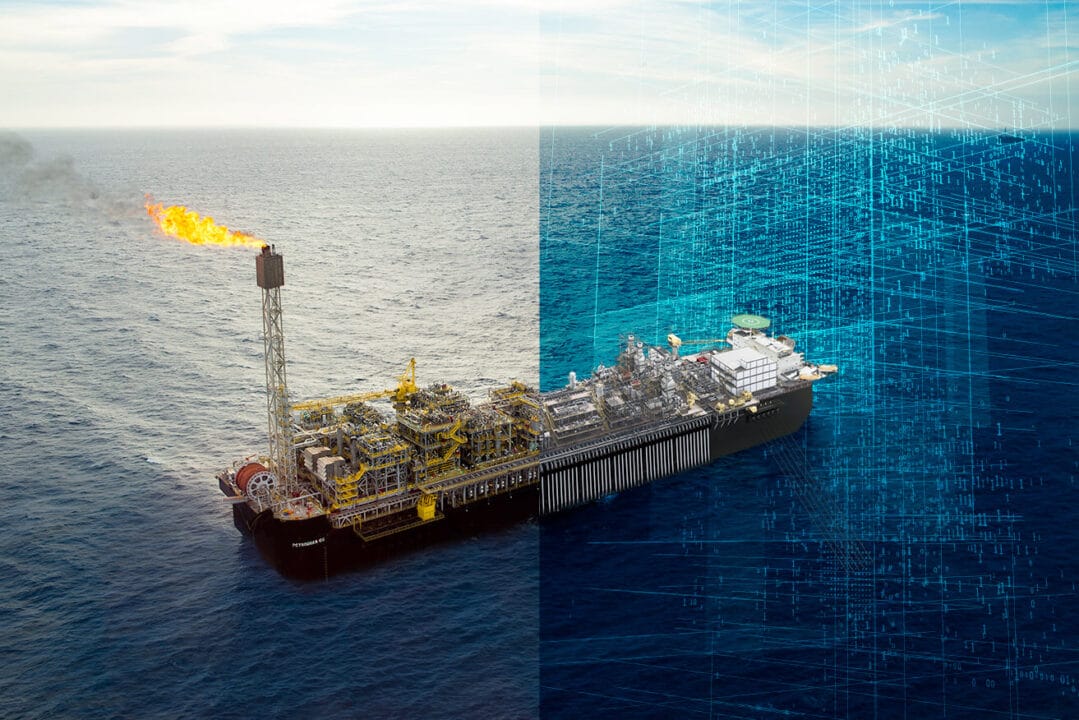

Halliburton Signed a Contract with the Libra Consortium Led by Petrobras to Develop a Digital Twin in the Mero Field, Santos Basin. The Technology Aims to Reduce Expenses, Accelerate Production, and Improve Oil Recovery.
In an announcement made last Monday (12/11), Halliburton, a renowned service company for the oil and gas industry, revealed a new contract signed with the Libra consortium, led by the Brazilian giant Petrobras. The agreement provides for the development of a technology known as a digital twin for a system in the Mero field, located in the pre-salt Santos Basin.
Development of Digital Twin in the Mero Field Promises Advances in the Oil Industry
According to an official statement released by Halliburton, the technology to be implemented will play a crucial role in assisting the Libra consortium.
Allowing for “capital expenditure reduction, acceleration of production times, and improvement of crude oil recovery rates, using new insights gained in a real-time environment.”
-
The Chamber releases R$ 10 billion to hold the price of diesel until December and proves that Brazilian fuel remains tied to Congress.

-
It’s official: Petrobras takes 75% of block 3 in São Tomé and Príncipe and debuts as an offshore operator outside South America.
-
With a record production of nearly 3 million barrels per day, Petrobras resumes importing diesel in July, highlighting the bottleneck in Brazilian refining.
-
Qantas and Airbus Invest in Company Aiming to Convert Unsorted Household Trash into Jet Fuel


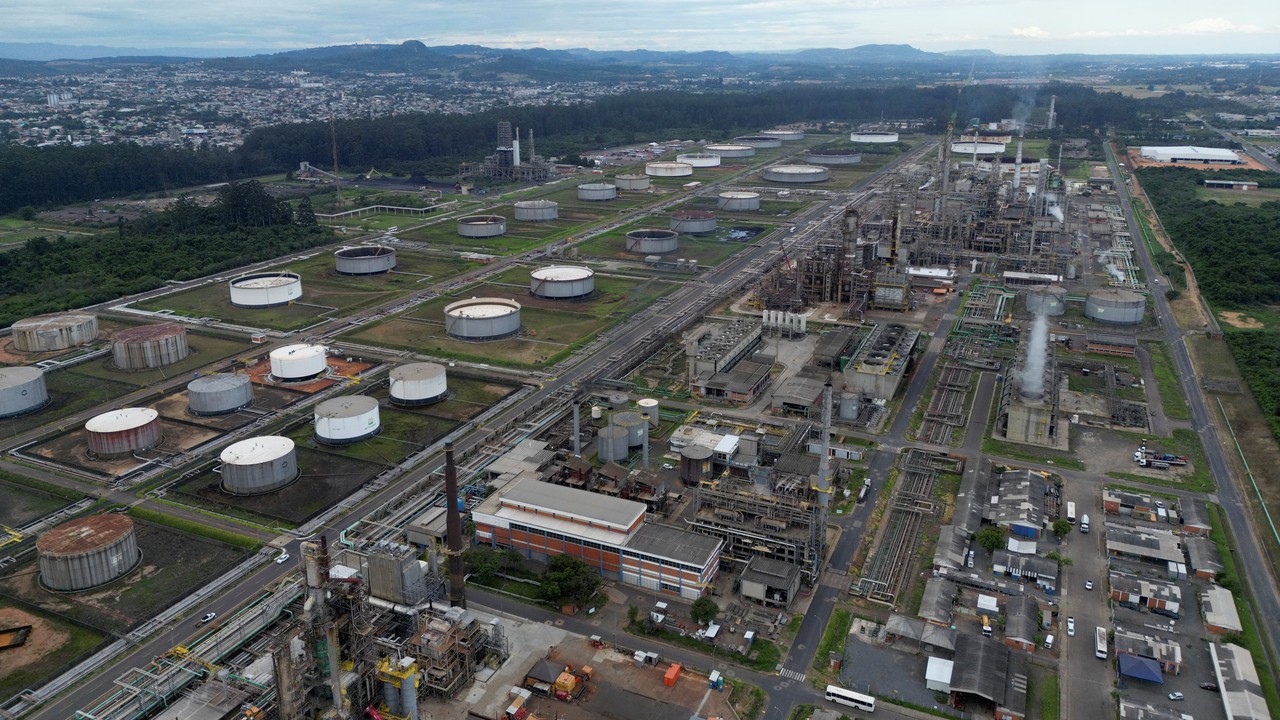

The Libra consortium, consisting of Petrobras, Shell Brasil, TotalEnergies, CNPC, CNOOC, and with Pré-Sal Petróleo SA (PPSA) representing the government in the uncontracted area, has Petrobras as the main operator.
The collaboration between Halliburton and the consortium aims to develop an integrated and dynamic digital twin of the production system, encompassing reservoir, wells, and subsea network.
Halliburton and the Libra Consortium Transform Operations in the Pre-Salt with Technological Innovation
This innovative project will unite sensors, data, and asset models, incorporating elements such as 4D seismic and intelligent completions through systems with real-time views of the reservoir, wells, and facilities.
The purpose is to facilitate asset characterization, enable proactive monitoring of reservoirs, and optimize asset operations through strategic planning.
Nagaraj Srinivasan, Senior Vice President of Landmark, Halliburton’s department specializing in Digital Solutions, highlighted the project’s importance: “This dynamic system will empower the consortium with comprehensive and continuous insights into optimization opportunities, cost reduction potential, and uncertainty mitigation throughout the asset lifecycle.”
According to Srinivasan, Landmark reiterates its leadership in leveraging digital and cloud solutions to revolutionize reservoir performance and asset optimization.
What Is a Digital Twin and How Does It Work?