






 Portuguese
  Spanish


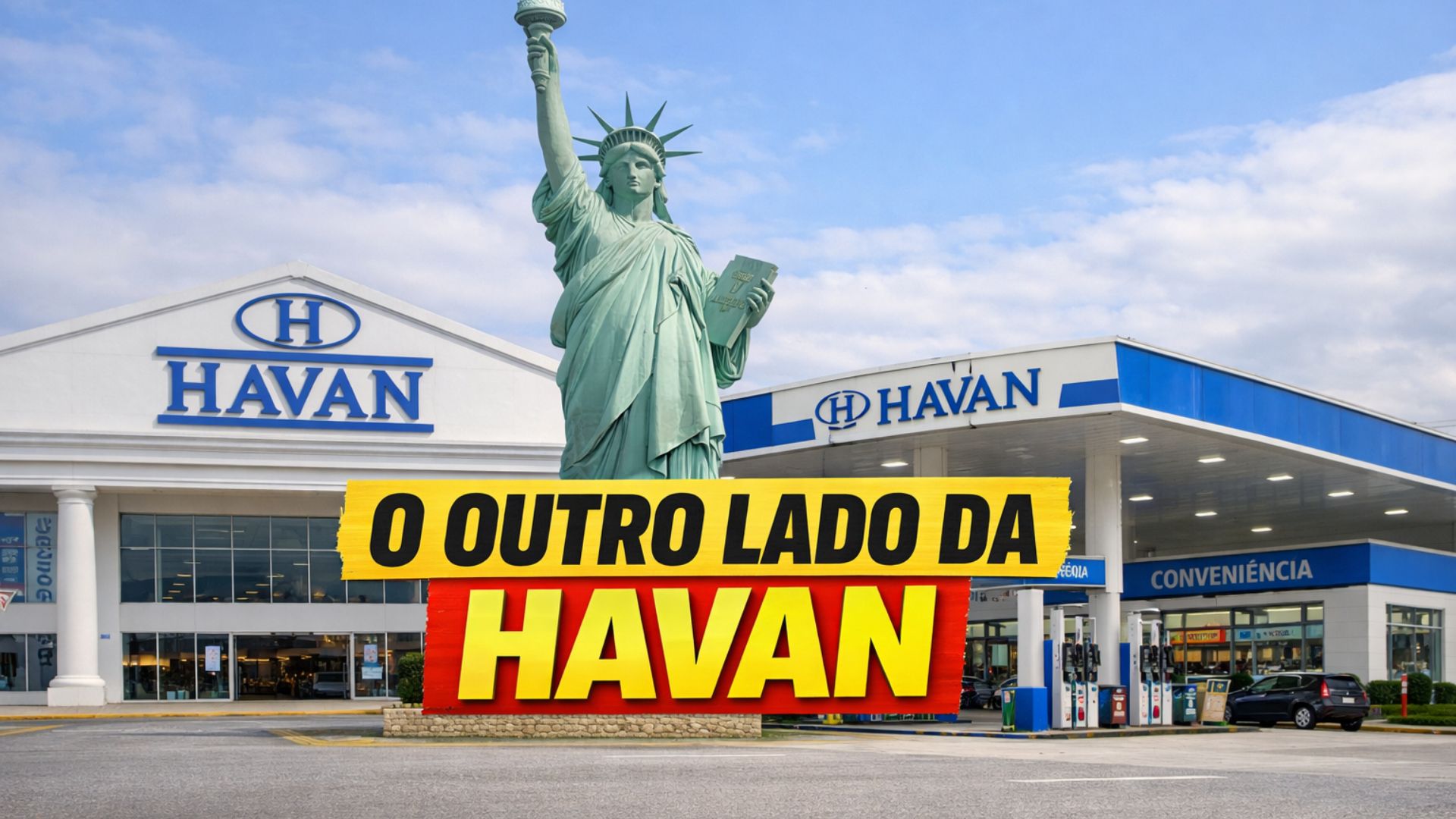


Discreet Arm of the Group Operates 24 Hours, Combines Fueling and Convenience and Expands the Brand Presence in Daily Life in Santa Catarina.
In addition to the megastores that made the brand known throughout the country, entrepreneur Luciano Hang maintains a less visible business arm to the general public: Posto Havan, an operation focused on fuels, convenience, and quick meals.
The chain operates 24 hours and is concentrated in Santa Catarina, where the company was founded and maintains its headquarters.
While Havan department stores stand out for their standardized architecture and easily recognizable visual communication, the stations operate with a more discreet profile.
-
China Tightens Control on Antimony, Driving Prices from $22,000 to Nearly $40,000 per Ton as U.S. Rushes to Bolster Strategic Reserves

-
BlackRock Freezes $1 Billion in Brazilian Renewable Energy, Impacting 1.5 GW of Planned Projects and Highlighting Investor Concerns Over Infrastructure Bottlenecks Cutting Up to 25% of Solar and Wind Generation
-
Labor Shortage: Despite Record Average Salary, 90% of Brazilian Bar and Restaurant Owners Struggle to Hire Key Roles Like Sushi Chefs and Head Cooks

-
Supermarket Deli Counter Attendants in Brazil Could Earn Over $2,100 Monthly by 2026, Plus Benefits Package


Still, they serve daily consumers who stop to fuel up, grab quick meals, buy snacks and beverages, or address immediate road and urban routine needs.
In practice, this format also places the group in the service and food segment, expanding the brand’s presence during daily moments that go beyond typical retail shopping.
The strategy appears as an operational diversification, even without the same level of public exposure associated with retail units.
Origin of Posto Havan in Brusque and Expansion with Convenience
The project began in October 2001, in Brusque (SC), a city associated with the group’s trajectory.
In its initial phase, the operation was mainly focused on the sale of fuels, according to institutional information from the company itself.
As the years went by, the structure began to incorporate services and expand its portfolio.
Havan reports that it invested in the sector in partnership with a large fuel distributor, described as a leader in sales and quality standards, not publicly detailing the name of the involved company in this material.
As the network gained traction, the stations also began to operate with a convenience store.
This type of unit typically focuses on ready-to-consume items, beverages, and products for short or long trips, in addition to quick replacement items, reinforcing the logic of a “one-stop shop” for the driver.
24h Stations in Santa Catarina and Regional Presence of the Brand
The presence of Posto Havan remains anchored in Santa Catarina, with units in cities along the coast and in the southern part of the state.
Institutional information and official channels related to the operation indicate addresses in Brusque, Araranguá, Barra Velha, and Palhoça.
This territorial layout indicates a cautious and localized expansion, focusing on areas where the brand is already strong and where there is a significant flow of consumers.
The 24-hour operation reinforces the focus on convenience and continuous service, a characteristic often associated with stations targeting both local audiences and those traveling on highways.
The communication style of Posto Havan also differs from that used in department stores.
In presentation materials and through its own channels, the emphasis is on fueling, convenience, and the structure for those on the move, while the narrative of megastores often focuses on product variety and large sales areas.
Fuels, Quick Meals, and Convenience Store in the Same Location
By combining fueling and convenience, Posto Havan brings together different consumer fronts in the same location.
The convenience store, for example, tends to capture impulse purchases and immediate necessities, with high turnover and constant demand throughout the day.
In this type of model, quick meals are usually an important part of the operation, especially during busier periods such as early morning, lunchtime, and late afternoon.
The result is a business with a distinct dynamic from department retail: generally lower average tickets, but with higher frequency of visits and strong dependence on traffic.
Even when it does not occupy the center of the brand’s institutional campaigns, this format can help reinforce brand recall and daily presence.
The consumer who fuels up, buys a coffee, or addresses a quick need interacts with the Havan name outside the context of buying clothing, electronics, and household items, broadening the brand’s reach in routine situations.
Diversification of the Group and Havan’s Performance in Retail
The existence of Posto Havan draws attention for coexisting with the national performance of the retailer, which remains the main showcase of the group.
In 2025, reports regarding the Valor 1000 survey, from the newspaper Valor Econômico, recorded Havan at the top in profitability among Brazilian retailers in that ranking.
Although the station operations do not have the same level of visibility as department stores, the diversification movement points to a strategy of presence in more than one consumption segment.
Instead of solely relying on the flow in megastores, the group also begins to explore continuous demands for fueling and convenience, concentrated in specific locations in Santa Catarina.
The combination of traditional retail and road services, however, retains its own characteristics in each area.
Megastores usually attract planned trips and broader purchases, while the station and convenience focus on quick stops and immediate consumption, with continuous operation and constant turnover.
With this design, the brand distributes itself in two different environments: that of programmed buying and that of urgent necessity.
To what extent can Posto Havan scale up and transform into a second major growth front for the group, without losing the regional focus that marks its operations today?


