





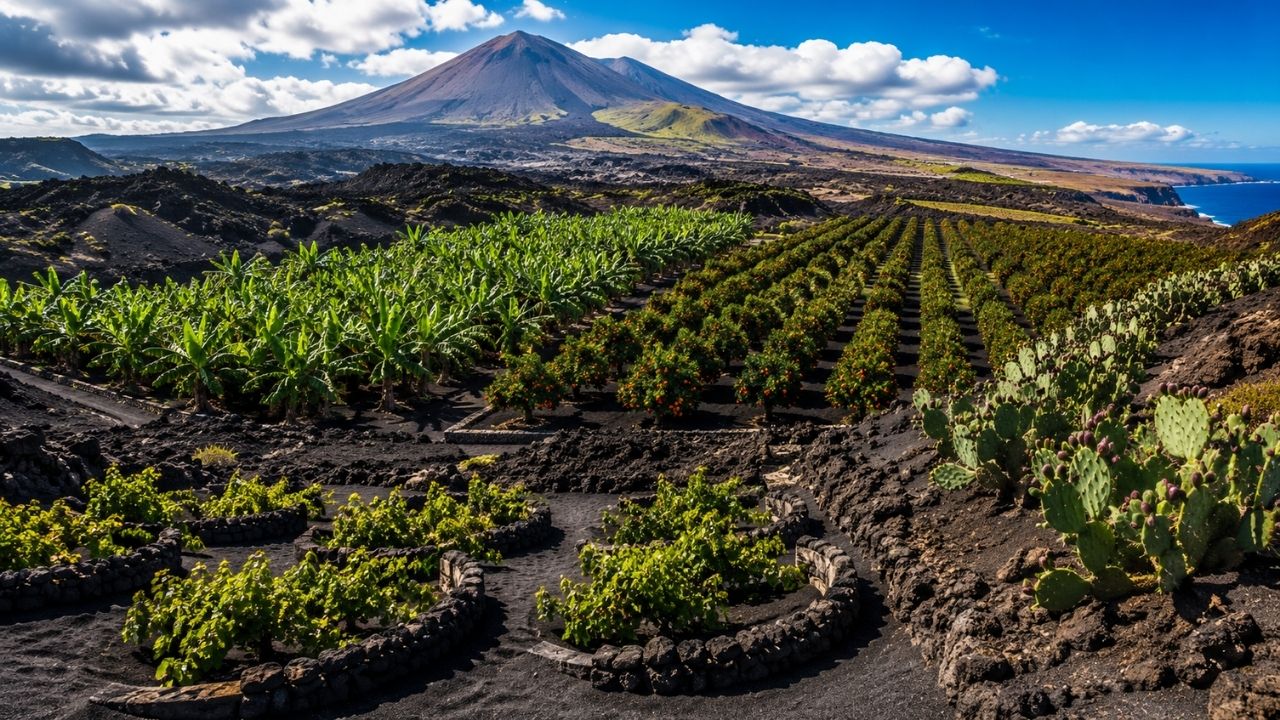

Volcanic soils support grapes, bananas, blood oranges, and cacti in Lanzarote, in the Canary Islands, in Mexico, and at the foot of Etna, where ashes and mineral-rich rocks help crops survive in dry, sloped environments or those marked by ancient eruptions, according to Agriculture Insight content in the global field.
Volcanic soils show how areas affected by lava and ashes can transform into rare crops, even in landscapes that seemed unfavorable to agriculture. The phenomenon appears in Lanzarote, in the Canary Islands, in banana-producing regions, in the volcanic belt of Mexico, and around Mount Etna, where farmers grow grapes, cacti, bananas, and blood oranges on lands formed by ancient eruptions.
The content from Agriculture Insight, used as the basis for this article, in June 2026, describes how ashes, rocks, and minerals of volcanic origin help sustain agricultural systems in different parts of the world. The central explanation is that lands once marked by destruction can, with proper management, become fertile, productive, and economically relevant areas over decades and centuries.
The destruction that left nutrients in its path
Volcanic eruptions are often associated with loss, risk, and devastation. Lava, gases, and ashes can cover entire areas and alter landscapes in a short time. But, after time passes and the material stabilizes, part of these regions can gain a valuable characteristic for agriculture: mineral-rich soils.
-
In the Caucasus Mountains, a Community Preserves a Language So Rare Few Outsiders Can Understand It

-
Slovakia’s Ice Cave Holds Over 110,000 m³ of Frozen Wonders, Boasts Walls Up to 27 Meters Thick, and Was Among the First Electrified Caves Globally

-
Street Cleaner Accidentally Receives $200,000 Transfer, Returns Unexpected Fortune to Rightful Owner
-
Australian Space Agency Investigates Six Mysterious Metal Spheres Found on Queensland Beach, Isolating Area Over Possible Space Debris Risk


Volcanic soils usually have good aeration, a porous structure, and the ability to retain moisture. Additionally, they may contain important nutrients for plant growth, such as potassium, calcium, magnesium, iron, and phosphorus. This combination helps explain why areas seemingly condemned by nature have become unusual agricultural hubs.
Lanzarote transformed ashes into vineyards
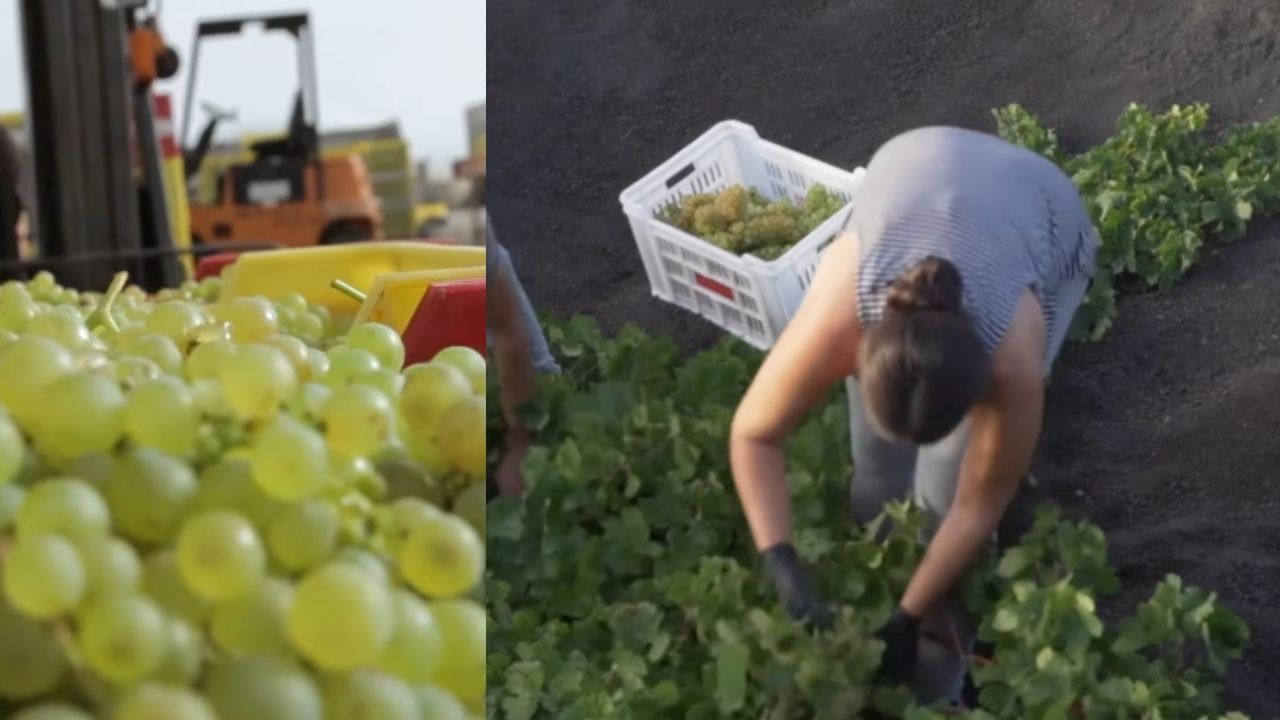
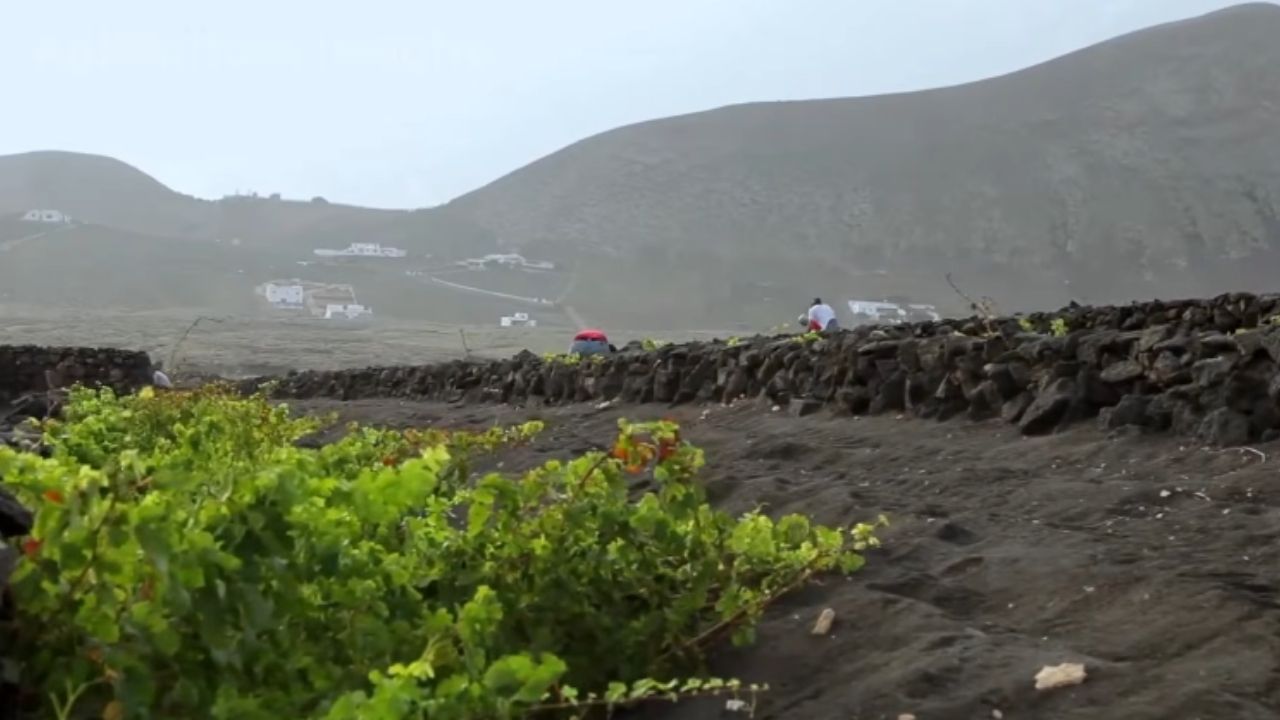
In Lanzarote, in the Canary Islands, 18th-century eruptions covered part of the island with lava and volcanic ashes. The landscape, dry and exposed to Atlantic winds, would seem unlikely for viticulture, especially since the annual rainfall is low compared to traditional agricultural regions.
Even so, local producers developed their own system to cultivate grapes in volcanic soils. The vines are planted in deep holes dug into the ash layer, while semicircular stone walls help protect the plants from the wind. The result is agriculture done almost plant by plant, with a strong reliance on manual labor and adaptation to the environment.
Grapes grow slowly and gain a mineral identity
The volcanic Malvasia variety stands out in this scenario because it can withstand the dry climate, winds, and ash-formed terrain. As water is limited, the vines grow more slowly and produce fewer clusters, but the grapes tend to concentrate more sugars and flavors.
This characteristic helps form wines with marked acidity and a mineral profile associated with the terrain. In the vineyards of Lanzarote, the harvest usually occurs earlier than in many European regions, and manual labor is essential because machines do not adapt well to the deep holes and irregular design of the cultivation.
Cacti also became income on volcanic lands
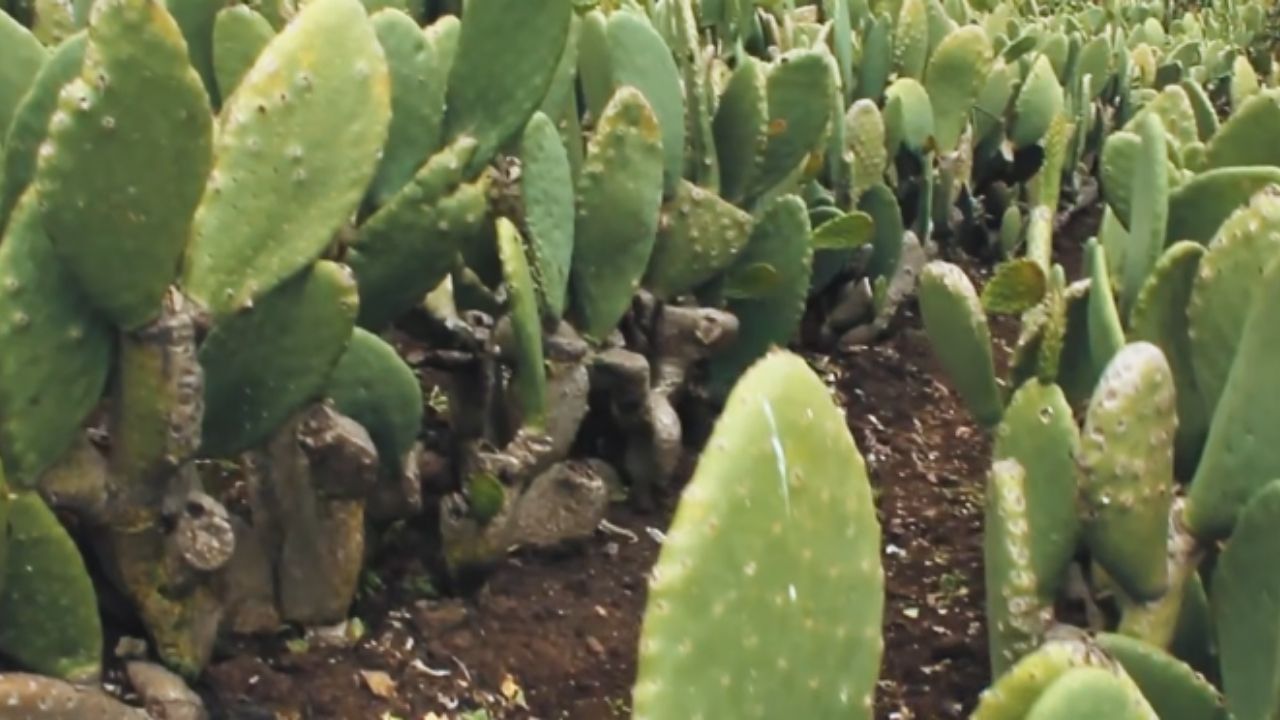
Near the vineyards of Lanzarote, prickly pear cacti have gained another economic role. They are used as host plants for cochineal insects, from which a natural red pigment historically known as carmine is extracted.
This activity was once one of the important exports of the Canary Islands in the 19th century. Later, it lost momentum with the arrival of synthetic dyes, but it still survives on a smaller scale in uses related to crafts, natural cosmetics, and cultural tourism. It is another example of how volcanic soils can sustain local economies beyond food production.
Mexico cultivates nopal in a volcanic origin belt
In Mexico, many imagine that cacti grow only in sandy deserts, but some of the most productive areas of nopal are linked to young volcanic soils. The Trans-Mexican Volcanic Belt gathers dark, porous lands suitable for the development of these cacti’s roots.
Nopal is cultivated in organized rows, usually from mature parts of the plant itself. Harvesting the young leaves and fruits still requires a lot of manual labor, with thick gloves and specific tools to avoid damage to the plants. In specialized regions, production can reach high volumes and sustain thousands of farming families.
Canary Islands bananas grow on ancient slopes
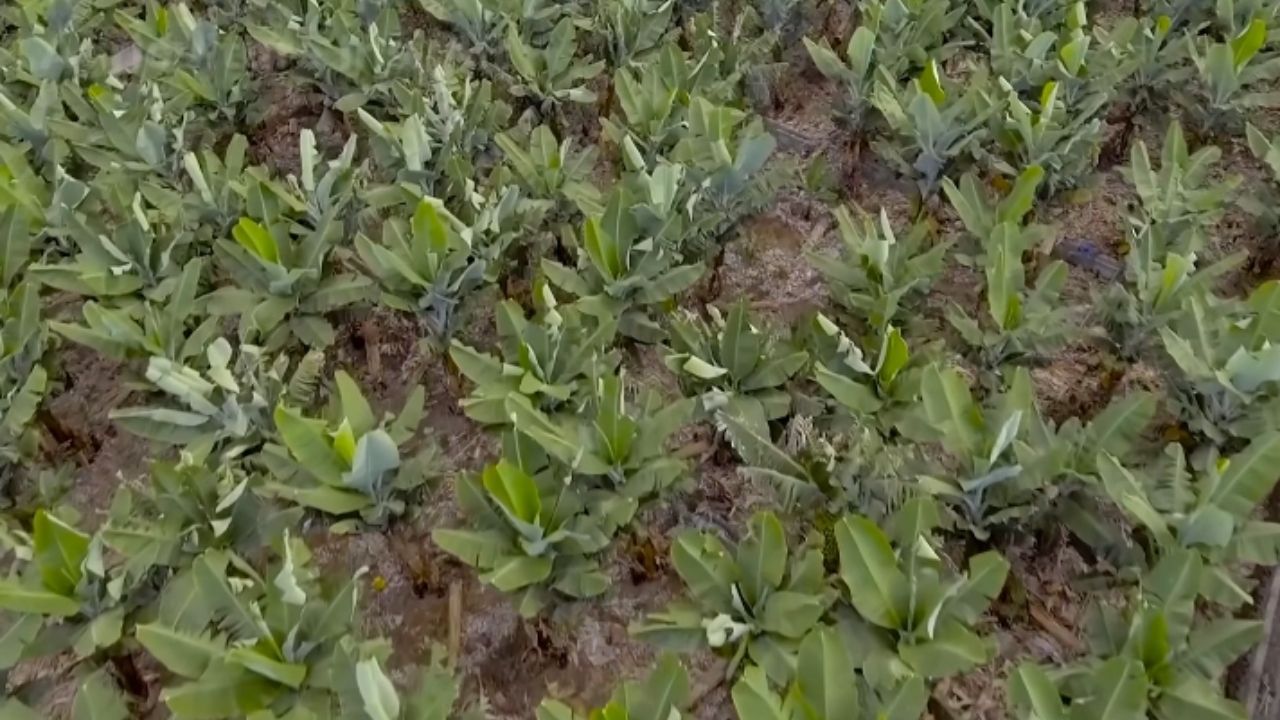
In the Canary Islands, banana cultivation also relies on landscapes shaped by ancient volcanoes. The plantations occupy terraces carved into coastal slopes, a solution created to transform inclined terrains into more stable agricultural areas.
These terraces reduce erosion, hold the soil, and help distribute irrigation water more efficiently. In the islands’ volcanic soils, bananas spend more time ripening on the plant than in very hot and humid tropical regions, which contributes to a creamy texture and sweeter taste.
Manual harvest protects heavy bunches
Banana cultivation in the Canary Islands also requires care at the time of harvest. Each bunch can weigh dozens of kilos and needs to be cut manually with proper tools before proceeding to transport and processing.
After removal, the bananas are washed, separated into smaller groups, evaluated, and prepared for the market. The most curious detail is that brown spots on the peel, often seen as a defect by consumers, are part of the fruit’s natural ripening and indicate the transformation of starch into sugar.
Etna feeds blood oranges in Sicily
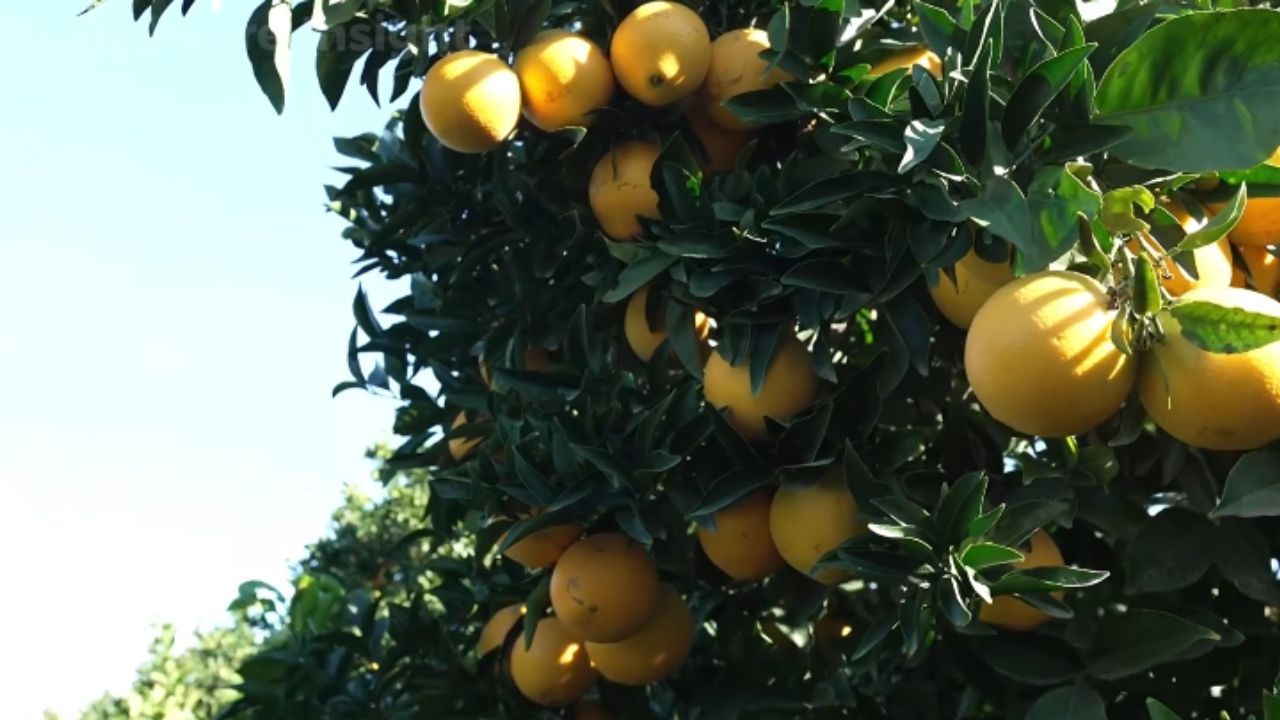
At the foot of Mount Etna in Sicily, ancient lavas helped form one of the most renowned citrus regions in the world. There, blood orange orchards grow in mineral-rich soils, directly influenced by the largest active volcano in Europe.
The volcanic soils of the region combine with temperature variations between day and night during ripening. This condition favors the formation of anthocyanins, compounds responsible for the intense red color of the blood orange pulp. What seems like just a rare color is actually the result of climate, soil, and agricultural management.
Rare fruit depends on climate and mineral content


The harvest of blood oranges takes place between the end of the year and the first half of the following year. The fruits are picked manually, with care to protect the peel, preserve the tree, and maintain quality until they reach the selection units.
Afterward, they go through sorting and classification before heading to more demanding markets. The combination of volcanic soil, Mediterranean climate, and thermal variation creates a flavor difficult to reproduce in other regions, with delicate sweetness and notes reminiscent of red fruits.
The secret lies in management, not just lava
Although volcanic soils have natural advantages, they do not work alone. Each mentioned region depends on specific techniques: holes and walls in Lanzarote, terraces in the Canary Islands, row cultivation in Mexico, and selective harvesting in Etna.
This shows that volcanic-origin fertility needs to be combined with local knowledge. Lava can leave minerals, but it is the farmers who transform this potential into real crops, adjusting planting, wind protection, water use, harvesting, and processing.
Where it seemed impossible, agriculture found a way
The history of volcanic soils reveals a powerful reversal: areas marked by eruptions, ashes, and rocks have come to support grapes, bananas, cacti, and rare oranges. Instead of representing only destruction, the material left by volcanoes has become the foundation for adapted, productive agricultural systems full of regional identity.
The question that remains is simple: do you find it more impressive to see vineyards growing over ashes, bananas on volcanic slopes, cacti sustaining income in Mexico, or blood oranges nourished by Etna? Leave your opinion in the comments.


