Portuguese
  Spanish


An aerial reforestation technique used in Minnesota combines logistics, forest management, and technical monitoring to deliver seeds to state areas where land access may limit the progress of vegetation recovery.
The Minnesota Department of Natural Resources, in the United States, used helicopters to spread tree seeds in hard-to-reach state forests, in a reforestation action completed in the North American fall of 2025.
The operation distributed seeds of jack pine, white pine, and black spruce in areas managed by the state agency.
The technique, known as aerial seeding, is part of a set of actions used by the DNR in the management of public forests.
-
Brazilian Man Builds Homemade Welding Machine Using Parts from Old Microwaves, Achieving Over 100 Amperes

-
Canada Sinks Six Giant Balloons in Lake Ontario to Test Underwater Battery That Stores Compressed Air 60 Meters Deep

-
Astronauts Returning from Space Develop Early Cataracts Due to Eye Lens Radiation, Highlighting Risks for Future Mars Missions

-
Brastemp Unveils New Dishwasher with Smart Sensor, 14 Place Settings, Acquaspray Jet, 70°C Rinse, Water Efficiency, and Intelligent Drying


The work also includes direct planting, area preparation, prescribed burns, shoot protection, and subsequent monitoring of tree growth.
According to the agency, 19 state forest areas received seeds by helicopter during that period, as part of a plan to plant or seed 589 acres.
How helicopters help in the reforestation of remote areas
Aerial seeding allows seeds to be delivered to locations where the movement of ground teams may be limited by distance, terrain, or other geographical challenges.
According to the Minnesota DNR, the method is used in specific situations when land access makes the work more complex.
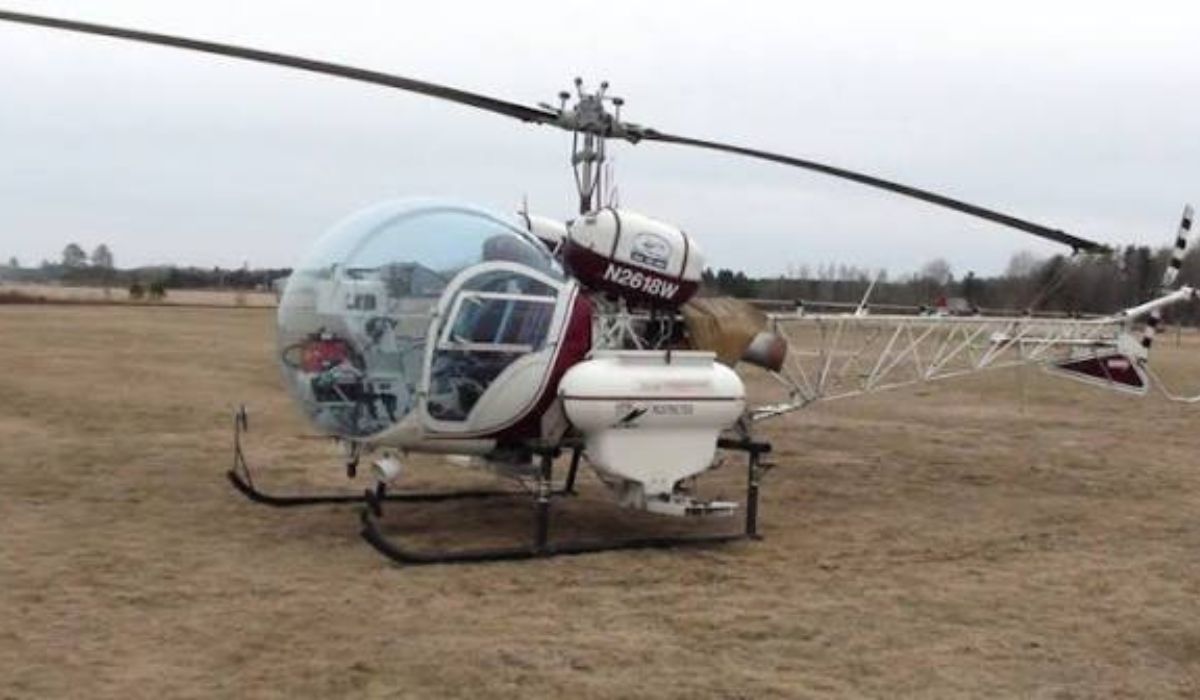
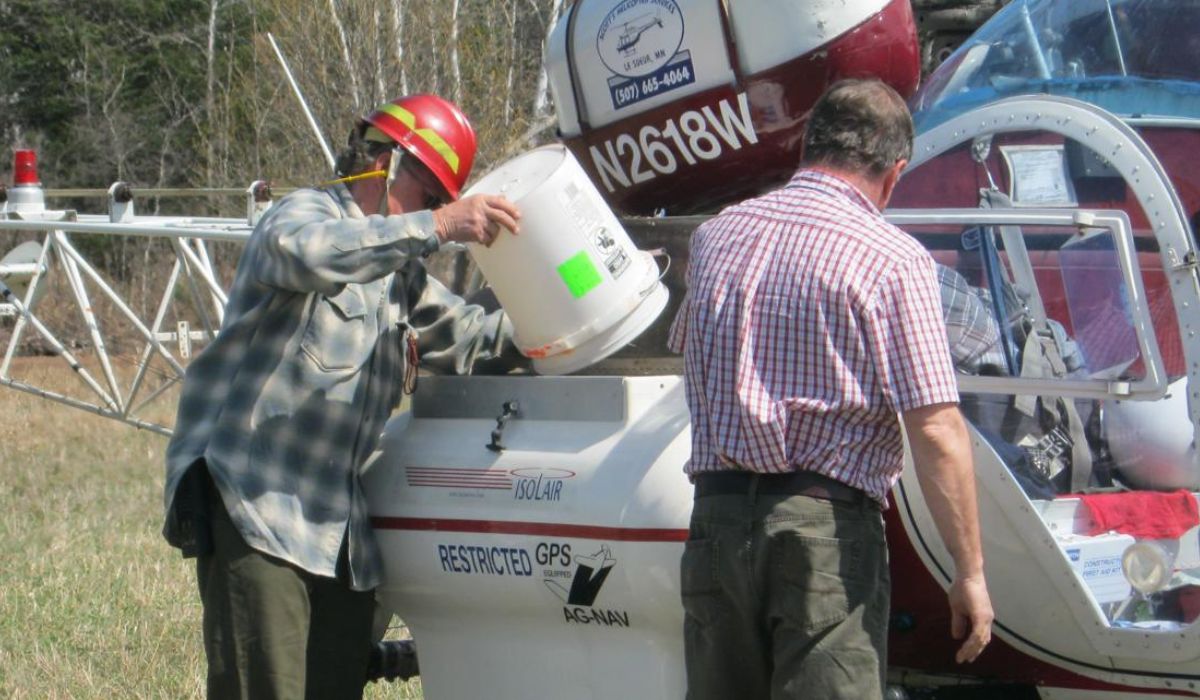
Before the flight, the seeds are mixed with clay.
According to the department, this combination helps distribute the material more evenly over the terrain.
Then, the mixture is placed in a compartment in the helicopter, which flies over each area at a height just above the canopy of nearby trees.
The procedure does not represent, by itself, the complete recovery of the forest.
Sowing marks an initial stage of the process, which depends on adequate environmental conditions and technical monitoring.
After planting or seed dispersal, DNR teams monitor the areas to assess the development of young trees.
Why aerial sowing requires technical planning
Reforestation involves decisions about species, soil, management objectives, and growth conditions.
Chris Gronewold, coordinator of the Minnesota DNR’s Silviculture Program, stated that recovering a forest area is “much more complex than simply planting a seedling.”
According to him, the choice of species and tools used varies according to the characteristics of each location and the defined objective for the forest.
This assessment determines whether an area should receive seedlings, seeds released by air, direct sowing, soil preparation, or other management measures.
Silviculture, the area responsible for this planning, brings together techniques aimed at the cultivation and care of forests.
In the case of lands managed by the DNR, the program considers different purposes, such as recreation, wildlife habitat, air and water quality, sustainable wood production, and vegetation cover conservation.
The use of helicopters is part of this set as an operational alternative to reach areas of difficult access.
In other parts of the state, according to the DNR, teams continue to use conventional reforestation methods, depending on the conditions of each terrain.
The role of technology in the management of public forests
The operation in Minnesota helps explain how environmental agencies can combine traditional methods and aerial resources in forest recovery actions.
Sowing by helicopter does not eliminate the need for fieldwork, but expands management options in areas where manual planting may be less feasible.
In reforestation projects, the choice of method depends on factors such as species, terrain, availability of teams, and the objective of the area.
When the agency opts for aerial seeding, the goal is to initiate regeneration in locations that require a different approach than that used in more accessible areas.
The procedure also shows that technology can be applied at specific stages of forest management without replacing technical planning.
The aircraft performs the seed dispersal, while the definition of species, preparation of areas, and subsequent monitoring remain the responsibility of the forestry teams.
The image of the helicopter flying over forests tends to focus attention on the moment of seed release.
However, according to the DNR, the process includes other stages before and after the flight, such as area selection, species selection, monitoring, and control of competing vegetation.
Minnesota expanded reforestation actions in 2026
The DNR reported, in a statement published on April 23, 2026, that it would plant nearly 2 million tree seedlings on state-managed forest lands during the North American spring.
The action planned for 14 species over more than 3,000 acres, including varieties of pine, spruce, oak, yellow birch, sugar maple, black walnut, and tamarack.
In the same statement, the agency stated that it reforests approximately 7,500 acres per year with a combination of seedling planting, direct seeding, and aerial seeding.
The information indicates that the use of helicopters is part of a regular set of practices adopted by the state, not an isolated action.
The scale of the initiatives also requires logistical planning.
Planting millions of seedlings or distributing seeds over hundreds of acres involves acquiring plant material, defining priority areas, preparing sites, and monitoring plant development.
Without these stages, the success rate can be affected by competition with invasive vegetation or unfavorable growth conditions.
Monitoring defines the progress of young trees
After seeding or planting, DNR technicians monitor the growth of the trees and intervene when necessary.
Among the planned measures are the removal of invasive species and plants that compete for light, water, and nutrients with the young trees.
This subsequent work is an important part of the process because the early growth phases often require more attention.
A seedling or a germinated seed still needs to overcome the competition from surrounding vegetation before establishing itself as part of the forest.
According to the DNR, reforestation actions on state lands are related to different environmental and economic benefits.
The agency cites habitat protection, water conservation, air quality, recreational use of forests, and sustainable timber production among the objectives of forestry.
Aerial seeding, in this context, functions as one of the tools available to restore forest areas.
The expected result depends on the combination of technology, appropriate species selection, and continuous management of the areas after seed dispersal.
The case of Minnesota shows how reforestation can involve different solutions for different types of terrain.
In accessible areas, teams can plant seedlings or perform direct seeding.
In more remote locations, the helicopter offers a way to bring seeds to the ground without relying solely on ground transportation.
The experience also helps to understand why large-scale reforestation depends on steps not visible to the public.
The flight draws attention, but the formation of a forest requires planning, maintenance, and monitoring over time.