Portuguese
  Spanish


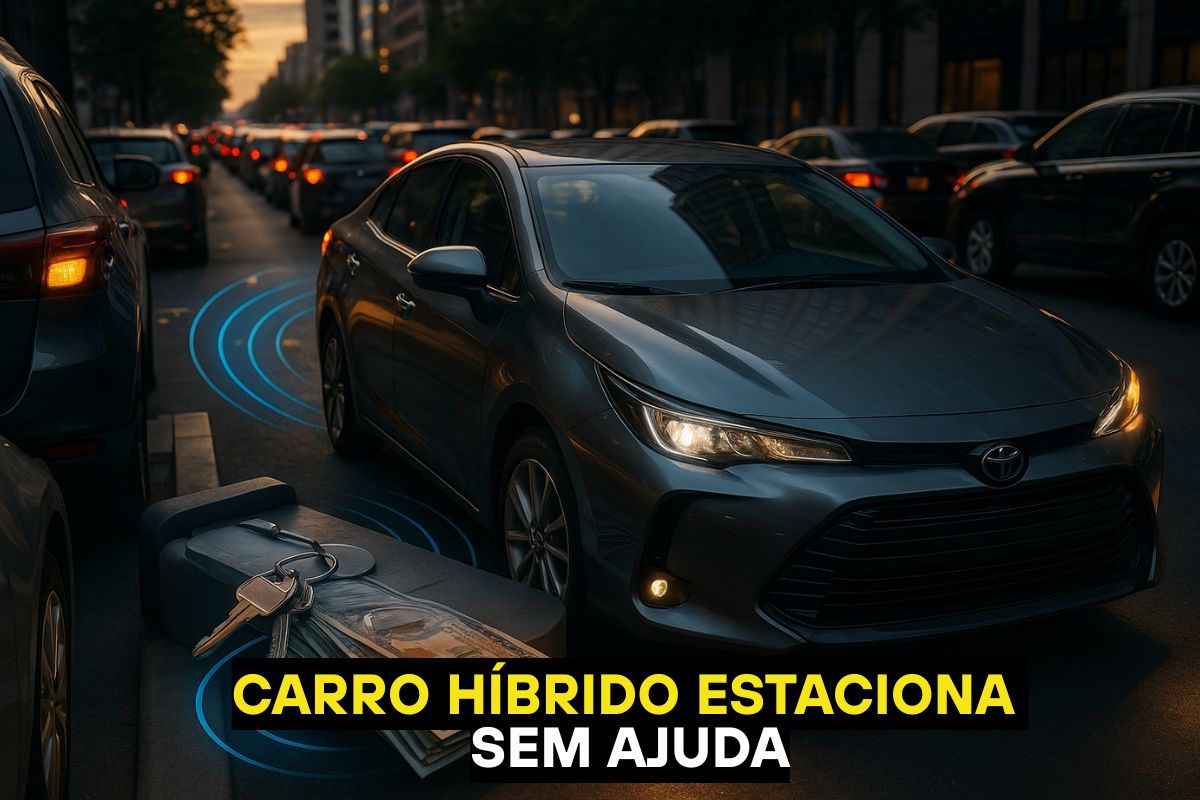


The Hybrid Transforms Traffic Jam into Rest and the “Vertical” Parking Emerges as a Survival Trick in Tight Spots.
According to Cortes do Flow, a Hybrid with driving and automatic parking assistants turned the key for a skeptical driver: in heavy traffic, the car takes on part of the work and reduces the stress of long commutes. Technological comfort, combined with internal space, outweighed the “thrill” of driving traditional models in urban daily life.
The “vertical” parking feature when the car enters “head-on” into tight shopping or street spaces became a survival trick.
The system calculates the maneuver and aligns the vehicle, saving time and avoiding scratches, especially for those navigating busy centers.
-
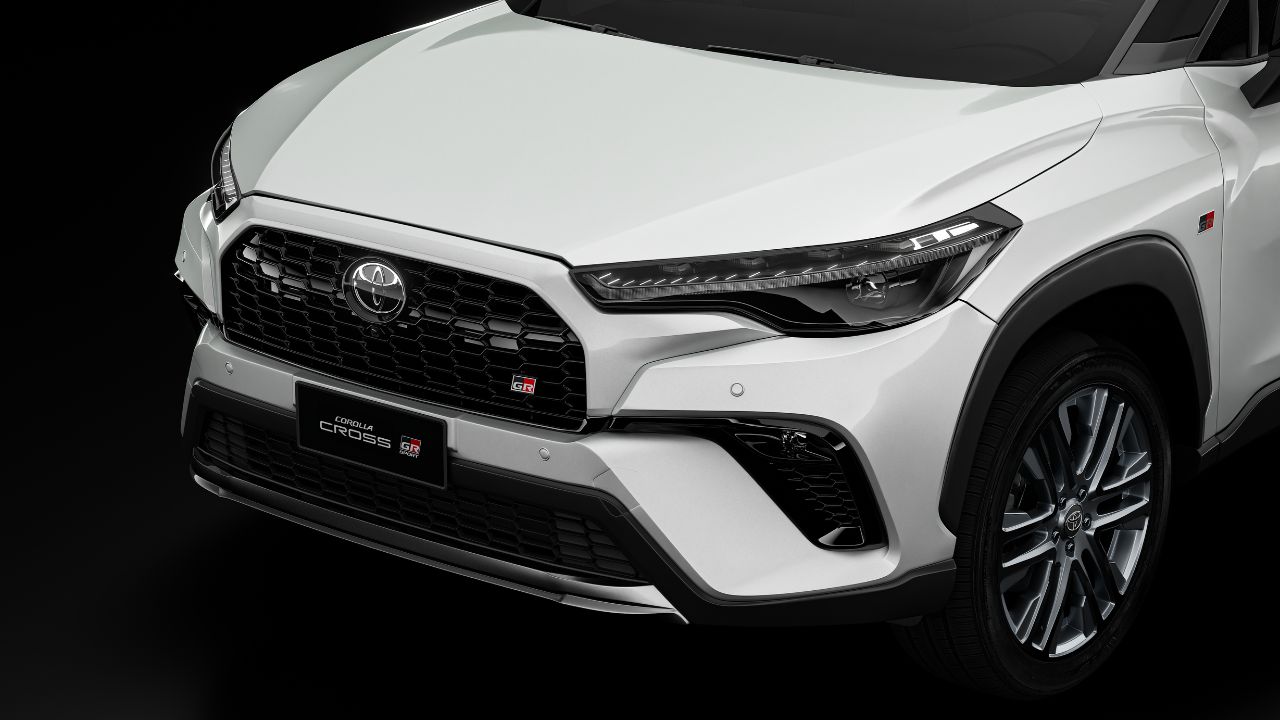
2027 Toyota Corolla Cross Unveiled: New Design, Enhanced Fuel Efficiency, Reduced Maintenance Costs, Advanced Technology, Connected Services, and Up to 10-Year Warranty

-
Fiat Cronos Precision 2018: Affordable Sedan with Spacious Trunk and Reliable Maintenance
-
Volkswagen to Cut Production by 1 Million Cars by 2030, Reducing Jobs and Platforms, Focusing on More Profitable Models

-
Toyota Launches First 100% Electric Car in Brazil: bZ4X with 343 HP, All-Wheel Drive, 361 km Range, Priced at $419,990 BRL, Limited to 99 Units



Why the Hybrid Converts Skeptics
The Hybrid combines a combustion engine and electric motor to deliver smooth driving and lower consumption in urban stretches.
In stop-and-go traffic, electric assistance reduces noise and vibrations, relieving fatigue from long trips. For daily drivers, this difference accumulates and changes the perception of comfort.
Additionally, as reported in Cortes do Flow, lane-keeping and adaptive cruise control assistants keep the car centered and regulate the distance to the vehicle ahead.
It’s not an autonomous car, but it takes micro-tasks off the driver, translating to less tension in traffic jams.
Parking Without Drama: The Logic of “Vertical” Parking
The automatic parking package detects the space, measures it, and takes over the steering wheel, accelerator, and brake to complete the maneuver.
In practice, it becomes a “reality test”: when the spot appears tight, the system confirms whether it fits and executes with precision.
The feature works best when the spot is well-defined; in very wide openings or with “confusing” references, the algorithm may hesitate.
Still, it serves as a safety net to avoid bumps, scraping wheels, and wasting time on the street.
Real City: Why the Hybrid Beats Sports Cars in Daily Life
In urban routines, potholes, difficult parking, and cost per kilometer weigh more than pure performance.
The Hybrid offers thermal comfort, silence, and savings, along with fewer trips to the gas station—tangible advantages for those crossing the city daily.
The Cortes do Flow contrasts this with an old sports convertible: looks and driving pleasure count, but ground clearance, problematic roof, and higher consumption make daily use less practical.
Result: for work, study, and life’s tasks, the Hybrid becomes the “right car”.
Technology That People Actually Use
Many drivers ignore advanced functions out of fear or unfamiliarity.
The report in Cortes do Flow shows the opposite: when the owner uses everything—adaptive cruise control, lane assist, and parking—the perception of value skyrockets.
This changes the comparison metric: it’s not just the 0–100; it’s arriving less worn out. Driving stops being a battle and becomes attention management, with the car handling the “operational” aspects and the driver focusing on flow and unforeseen events.
Safety and Limits: What Technology Doesn’t Do
Even with electronic support, the driver remains responsible. Systems may not recognize special lanes, confuse markings, or require intervention in atypical scenarios.
Hands ready on the steering wheel and eyes on the road remain mandatory.
Trust must be calibrated: use the features as aids, not as total autopilot. The promise is to reduce fatigue, not replace attention.
Cost of Use and the Everyday Bill
In the city, the Hybrid tends to lower costs per kilometer, especially with energy regeneration during braking.
Meanwhile, tires, maintenance, and insurance need to be factored in: the car is service + maintenance, not just fuel.
If the savings free up cash each month, the technology stops “costing” and becomes “self-paying” in time, comfort, and less physical wear—a ROI that the driver feels every day.
The Hybrid that parks itself and eases traffic shows how truly useful technology changes habits—less stress, more control and less fear of tight spots.
A converted skeptic is not a trend; it’s a repeated experience.
And you: have you used adaptive cruise control, lane assist, or automatic parking? Do these features really save you in traffic or still make you anxious?
Share in the comments how your car’s technology changes (or doesn’t change) your routine.