






 Portuguese
  Spanish


New Green Hydrogen Center in SP Inaugurated and Promises to Boost the Clean Energy Market in Brazil. Investment in the State Focused on Hydrogen Reaches R$ 32 Million.
The government of the State of São Paulo recently created the Center for Science for the Development of Renewable Energies and Future Fuels (CCD – ERCF), which will be located at the facilities of the Institute of Technological Research (IPT) to promote clean energy and contribute to combating climate change. Check out the main details of the new green hydrogen center in SP with an estimated investment of R$ 32 million.
Clean Energy Center Receives Investment of R$ 32 Million
The new green hydrogen center in SP was created to drive the development and application of low-carbon fuel, a solution to reduce Greenhouse Gases (GHG) with clean energy.
The green hydrogen center in SP received a total investment of R$ 32 million, with funds coming from various agencies: R$ 9 million financed by the São Paulo Research Foundation (Fapesp), R$ 11 million from IPT and the Department of Environment, Infrastructure, and Logistics (Semil), as well as R$ 12 million in investments allocated by the Department of Science, Technology, and Innovation.
-
Brazilian scientists are simultaneously advancing two research projects on clean hydrogen and driving solutions that could transform the energy matrix, enhance industrial competitiveness, and accelerate large-scale emission reduction targets.

-
Advancement in renewable energy: A R$ 150 million project launched by Petrobras and Finep aims to create state-of-the-art electrolyzers for green hydrogen, strengthening national research and preparing Brazil to compete in a billion-dollar energy market.
-
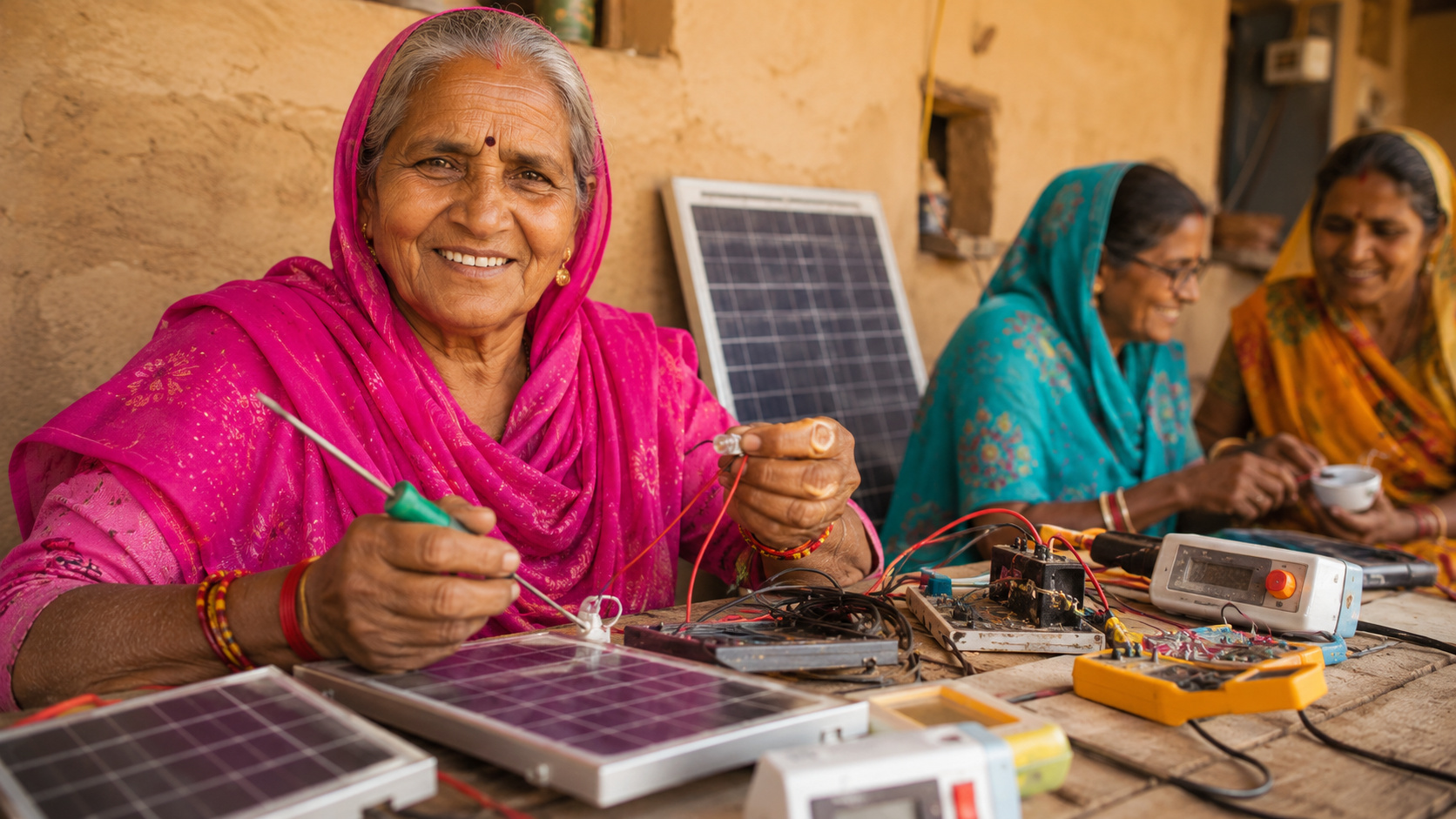
Illiterate or semi-literate grandmothers were trained to repair solar systems, open rural workshops, and light up homes that still depended on kerosene.
-
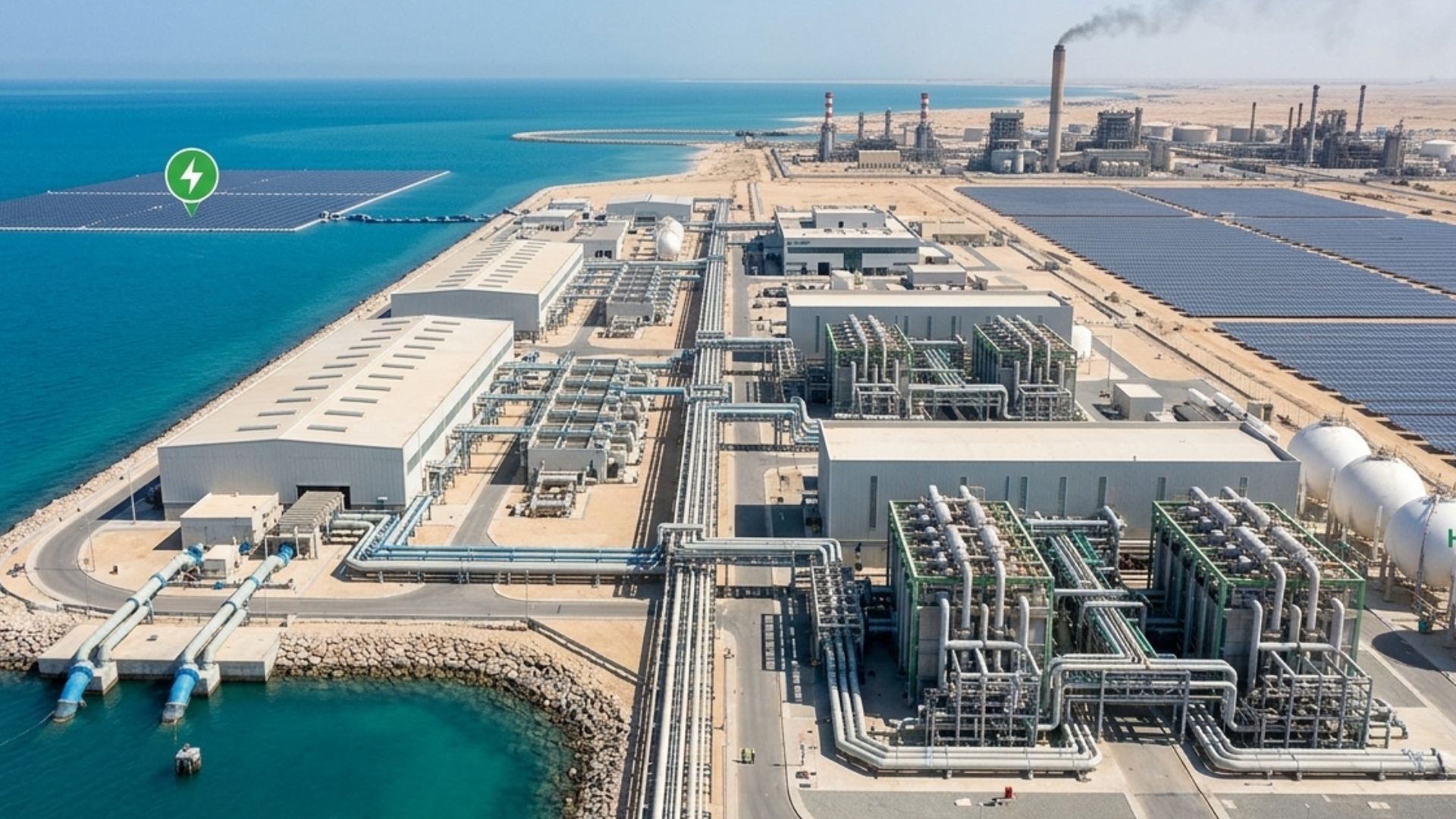
The world has bet on green hydrogen as the fuel of the future, but now faces the side effect: producing 1 kilogram requires about 9 liters of ultrapure water, and the largest projects on the planet are precisely in the driest regions of the Earth, where water is already scarce for people.



The green hydrogen investment in SP will be applied to infrastructure, equipment acquisition, research development, and training programs. According to Semil, the green hydrogen center will evaluate aspects of production, storage, transportation, distribution, use, and regulation of clean energy fuel.
This clean energy product is seen as one of the biggest solutions for decarbonization, with applications ranging from electricity generation to use in industrial processes and transportation. According to the Department of Environment, Infrastructure, and Logistics, low-carbon hydrogen, considered one of the major bets for the energy future, will be crucial to meet the state’s sustainability goals.
Understand the Advantages of Green Hydrogen
According to Marisa Barros, Undersecretary of Energy and Mining at Semil, we are at a crucial moment to invest in research and the development of technologies that will be part of the nations’ strategy towards carbon neutrality.
The clean fuel results from a process that generates low environmental impact, that is, with a reduced amount of greenhouse gas emissions during its production.
Experts consider this fuel one of the solutions for decarbonization, with applications ranging from electricity generation to use in industrial processes and transportation. There are different ways to produce hydrogen in SP, classified by colors, with the main ones being: green, turquoise, and blue.
Green hydrogen results from the electrolysis of water, using energy from renewable sources, such as solar or wind. This process does not emit CO2, making it a hydrogen with lower environmental impact. Blue hydrogen is obtained from natural gas, while turquoise comes from methane, both with carbon capture and storage.
Another Investment in the State of São Paulo Promises to Generate Jobs and Income
In addition to the investment in green hydrogen in SP, a biogas plant was inaugurated on November 6 in Caieiras, in the São Paulo Metropolitan Region.
The plant has the capacity to generate about 70,000 cubic meters per day of biocombustible and will process the biogas captured by Solví Essencis at the Sustainable Valorization Unit (UVS), one of the largest landfills in the world.
With 3.5 million square meters, the landfill receives 10,500 tons of waste per day, mainly from Greater São Paulo and nearby municipalities.
The unit will avoid the emission of about 300,000 tons of CO2 equivalent per year, contributing to the energy transition and decarbonization of the region’s industries. Additionally, the plant may issue carbon credits.






Be the first to react!