






 Portuguese
  Spanish


Amid the mountains of Azerbaijan, an isolated village gathers its own language, overlapping houses, and pastoral traditions preserved for centuries, while a transhumance route, protected landscapes, and family accommodations help explain why Khinalig sparks interest from travelers and international organizations.
Khinalig, a high mountain village in northern Azerbaijan, features overlapping houses, its own language, and pastoral practices preserved for centuries in the Greater Caucasus, in a landscape recognized by UNESCO as a World Heritage Site since 2023.
The locality is approximately 2,000 meters above sea level, according to the official tourism body of Azerbaijan, and is located 57 kilometers from Guba, the main city used as a starting point for the journey.
Although it is presented as a city in the title, Khinalig is officially classified as a village and is among the highest communities in Azerbaijan, without secure confirmation that it is the highest permanently inhabited locality in Europe.
-
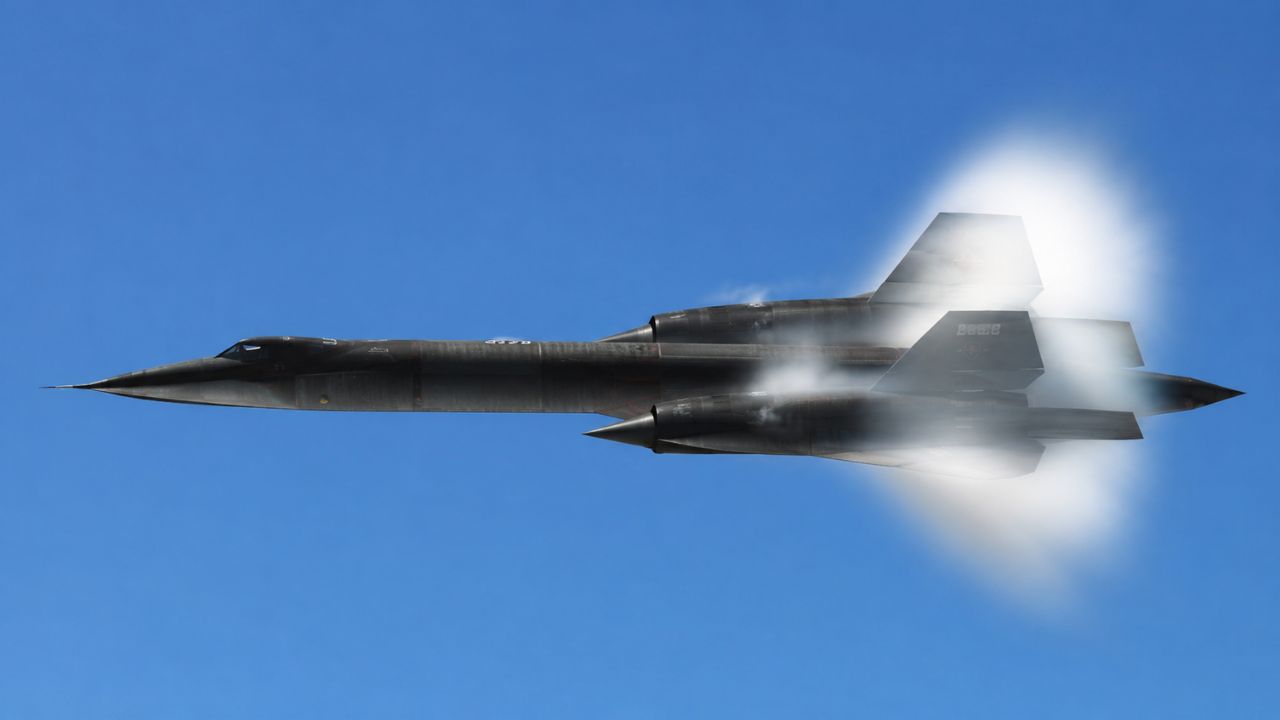
Capable of reaching Mach 3.2, the legendary SR-71 Blackbird crossed the United States in just 1 hour, flying at over 3,400 km/h, three times faster than the speed of sound, making it the fastest plane in the world.

-
The government allows the new ID card to be requested from a mobile phone to be delivered at home with the CPF as a unique number: states like São Paulo and Minas Gerais already offer delivery via Correios.

-
A couple from Belo Horizonte went bankrupt during the pandemic, turned tangerines into a successful business, and today earns R$ 400,000 with jams, sauces, and liqueurs with HogDidi.
-
He started just by solving a list of exercises, but ended up finding a curious cycle between the numbers 13 and 16 that even specialists did not expect to analyze.



Isolation in the Caucasus preserved language and traditions
Surrounded by the peaks of Bazarduzu, Tufandag, Shahdag, and Gizilgaya, Khinalig developed a social organization closely linked to the terrain, pastures, and seasonal movements carried out by families historically dependent on animal husbandry.
The local history is estimated at about 5,000 years by the Azerbaijan Tourism Board, which relates the inhabitants to one of the ancient tribes of Caucasian Albania, a historical civilization that occupied part of the region.
Another element that differentiates the community is the Khinalig language, also called Ketsh by the official tourist source, spoken exclusively in the village and considered an essential part of the intangible cultural heritage maintained by the residents.
UNESCO highlights that the authenticity of the landscape lies not only in the constructions but also in the language, traditions, community management of the pastures, and collective planning of migrations carried out throughout the year.
Architecture of Khinalig follows the mountain slopes
The steep slopes conditioned the architecture of Khinalig, where the residences were built very close to each other, forming a vertical sequence that follows the terrain and reduces the need for large flat areas for construction.
In this urban design, the flat roof of a house can function as a circulation area or patio for the residence built just above, a feature that creates the appearance of a continuous set of buildings on the mountain.
Among the cultural points mentioned by official tourism are the Juma Mosque, located in the highest part of the village, the mosques of Sheikh Shalbuz, Abu Muslim, and Pir Jomard, as well as the Ateshgah, known as the Fire Temple.
Transhumance route integrates UNESCO heritage
The international recognition encompasses not only the residential core but also the summer pastures, terraced agricultural areas, winter fields, and the Köç Yolu route, a transhumance path of about 200 kilometers.
Along this route, community members move herds between the elevated areas of the Caucasus and the central plains of Azerbaijan, preserving a form of long-distance vertical migration that organizes economic activities and social relations.
Animal husbandry remains the main economic base linked to the cultural landscape, although UNESCO classifies this traditional activity as vulnerable in the face of social changes, abandonment of old practices, and pressures caused by development.
Historic roads, irrigation systems, fountains, wells, cemeteries, bridges, mosques, and structures used in herding make up the protected heritage, whose administration involves cultural and tourism bodies and the reserve responsible for the Khinalig area.
How to get to Khinalig from Guba
Guba serves as the main access base, but there is no regular public transport to Khinalig, according to the official tourism portal, which advises the use of vehicles capable of handling mountainous stretches and variable conditions.
The trip requires attention to the weather forecast, especially during periods of rain, fog, or snow, when visibility decreases and the trails may present greater difficulty, even for visitors accustomed to mountainous regions.
One of the marked options connects Khinalig to Galakhudat via a route of 8.2 kilometers, with a cumulative elevation gain of 370 meters, a maximum altitude close to 2,300 meters, and an estimated duration of three hours and ten minutes.
The route can be traveled throughout the year, although the period between May and July is recommended for those wishing to find greener vegetation, while the winter months attract visitors interested in snow-covered mountains.
Even so, appropriate clothing, water, and monitoring weather conditions are indispensable measures, as rapid changes in the climate can make the path more demanding and reduce the safety of those unfamiliar with the terrain.
Family accommodations bring tourists closer to the local routine
Khinalig has family accommodations that offer meals and overnight stays, an alternative that allows staying on the mountain after day trips, but the tourist infrastructure is limited and does not include a conventional network of restaurants or cafes.
The tourism portal reports the existence of a small tea house in the village, while the meals served in the accommodations bring travelers closer to the hospitality and habits maintained by the families in the region.
More than a scenic spot, Khinalig is part of a living cultural landscape, where architecture, language, shepherding, and seasonal movements remain connected; would you visit such an isolated place to closely observe this preserved routine?


