Portuguese
  Spanish




Man Fined R$ 15 Thousand and Loses Solar Energy Discount After Expanding System Without Notification; Falls Under Sun Tax and Loses CEMIG Benefits.
This content was produced based on the video published on October 16, 2025, on the channel E4 Renewable Energies, which showed a real case involving a heavy fine and the loss of the so-called “solar energy exemption.” The episode took place in Minas Gerais and reveals a problem that has been becoming increasingly common in Brazil: expanding the photovoltaic system without notifying the utility can result in fines, refactoring, and even classification under the “sun tax”.
The Expansion of an Irregular Solar Energy System That Turned into Loss
In the video, the presenter explains that the client decided to install new solar panels on their own, without updating the project with the utility CEMIG.
The intention seemed simple: to increase energy generation and further reduce the electricity bill.
But the result was the opposite.
-
World’s Largest Engie Solar Plant in Brazil Highlights Billion-Dollar Energy Waste Issue: Company Considers Batteries and Bitcoin Mining to Avoid Wasting Production

-
Over 60 Tractors Take to the Streets in Lopera as Solar Parks Compete with Olive Groves, Affecting 13,000 to 100,000 Trees According to Conflicting Reports

-
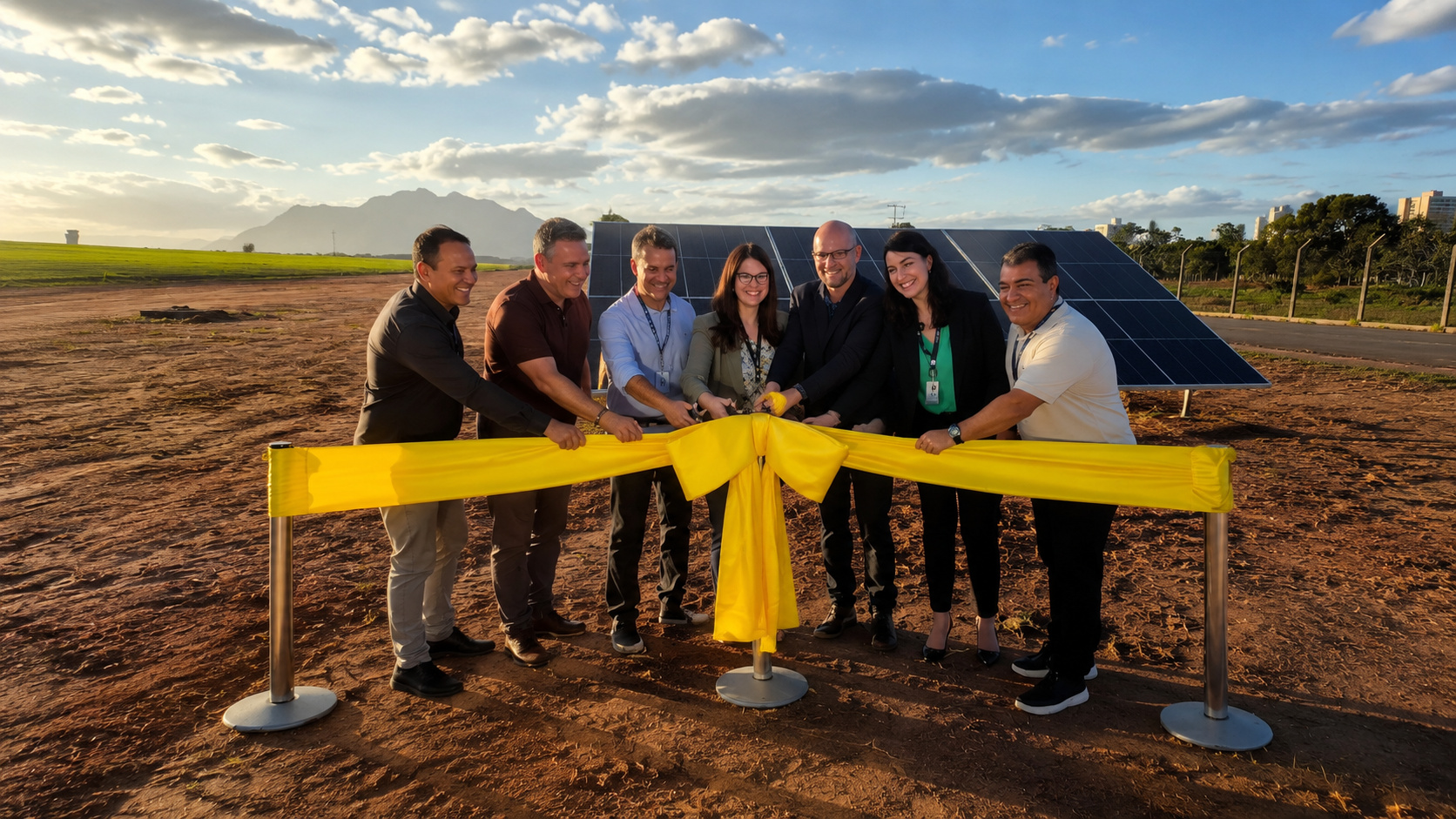
Brazil’s Vitória Airport to Launch Solar Plant Covering Area of 10 Soccer Fields, Boosting Clean Energy and Cutting Costs
-
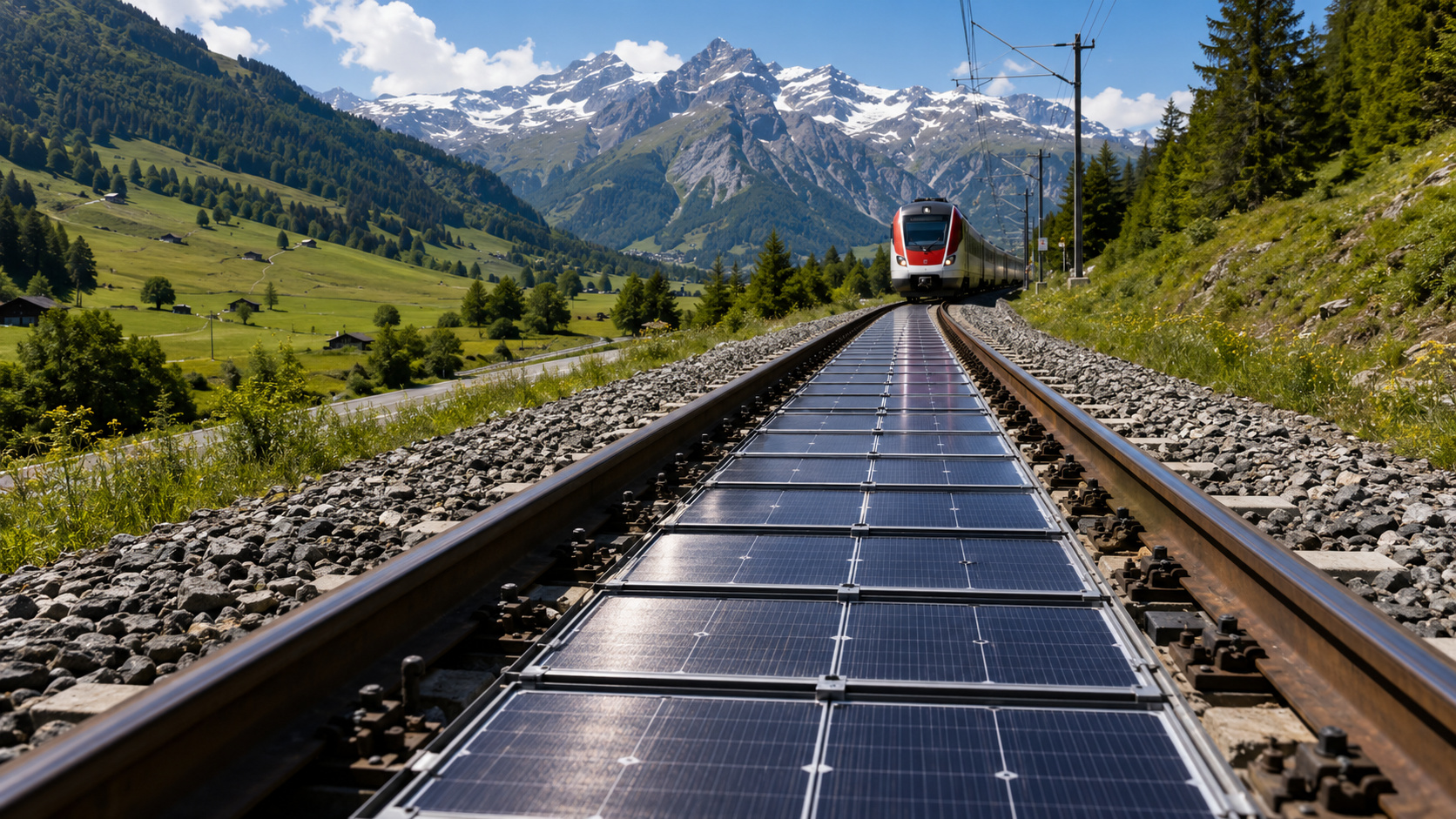
Switzerland Converts Train Tracks into Solar Power Plants with Removable Panels to Generate Energy Without Using Additional Land



During a supervision conducted on March 6, 2024, CEMIG discovered that the property had 21 solar panels installed, totaling 7.45 kWp of power, while the originally approved project only provided for 4 modules, totaling 1.2 kW inverter. In other words, the installed system was six times more powerful than what was in the authorized project.
Based on the Resolution No. 1000 of ANEEL, the distributor concluded that there was an increase in power without prior approval, which constitutes a serious irregularity.
CEMIG then applied refactoring of the bills since 2021 and a fine of R$ 15,433.92, in addition to removing the acquired right to compensation for energy credits.
From Clean Energy to Paying the “Sun Tax”
In addition to the fine, the consumer was reclassified from the GD1 regime, which exempts the producer from paying the Distribution System Usage Fee (TUSD Wire B).
From that decision, they lost the total discount benefit and began to pay for the energy injected into the grid, a situation popularly known as “sun tax.”
According to the document shown in the video, the distributor made it clear that even after the client regularizes the system and reduces the power to the approved level, the penalties would not be annulled.
The consumer was obliged to pay the differences and lost the right to surplus credits generated between May 2021 and April 2024.
Supervision is Expanding Across the Country
The channel E4 Renewable Energies also revealed that other distributors, such as Coelba, Energisa, CPFL, and Elektro, are already intensifying supervision using drones to identify unreported expansions.
These actions are based on Resolution 1000 of ANEEL, which allows suspension of supply or application of refactoring when there are unauthorized changes in distributed generation systems.
The warning is clear: any modification to the solar system, even the addition of a few panels, must be communicated and approved by the distributor. Otherwise, the consumer may lose benefits previously acquired before the new regulation and fall under the charge of TUSD Wire B until 2045.
A Warning for Those Considering Expanding the Solar System
The case serves as an example for those who intend to increase the capacity of the photovoltaic system.
According to the specialist from the channel, there is no longer any space for “working around” in the solar sector: the cross-referencing of data and the use of monitoring technology by utilities are making irregularities increasingly easy to detect.
The recommendation is simple: before installing new panels, the client should consult the integrative company or a licensed electrical engineer, who will carry out the updating of the technical project and request authorization from the distributor to increase generation.
Ignoring this step can result in fines, refactoring, and permanent loss of benefits — a loss that, in some cases, exceeds R$ 15 thousand, as shown in the video.
The episode shared by the channel E4 Renewable Energies shows how the lack of information and technical care can turn savings into losses.
Solar energy remains one of the best investments for those looking to reduce their electricity bill, but regularization and compliance with ANEEL standards are essential to ensure legal security and avoid fines.
In Brazil, the sector is moving towards an increasingly supervised and professional model, and the CEMIG case is a clear signal that distributors are tightening their grip.
In other words: those who want to take advantage of the sun to save must follow the rules or end up paying for it.