






 Portuguese
  Spanish


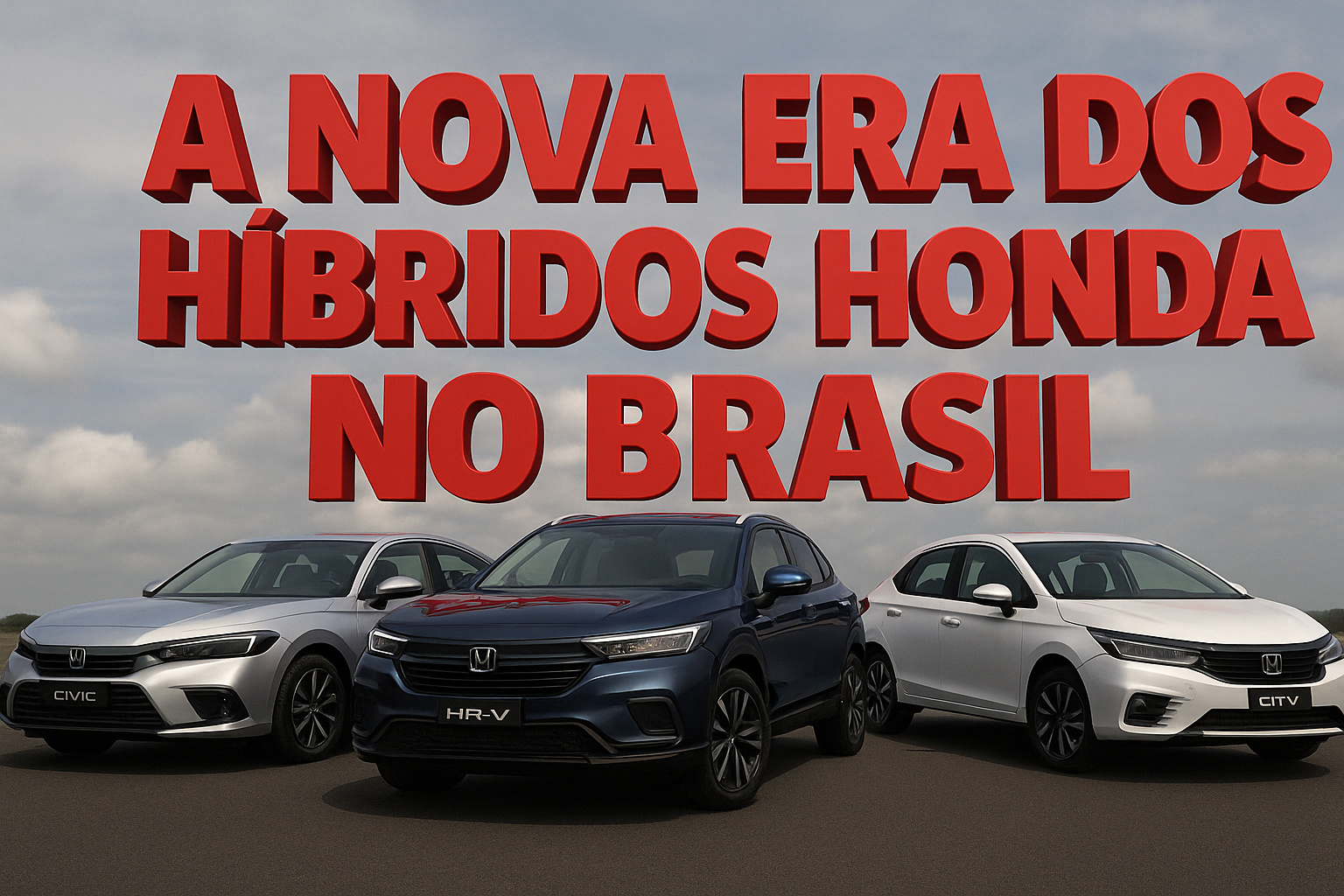

Civic Hybrid, HR-V Electrified, and New City Hatch 2025 Are Honda’s Weapons to Compete in the Competitive Automotive Sector in Brazil
Three major innovations from Honda will hit the national market starting January 2025. Not by chance, the hybrid versions and the new look of the models promise to shake up the Brazilian automotive market.
With launches planned for the first quarter of 2025, Honda Civic Hybrid, Renewed HR-V, and Restyled City Hatch represent the brand’s bet on technology, efficiency, and bolder design.
Furthermore, the strategy announced at the end of 2024 by the brand’s management in Brazil aims to increase the Japanese automaker’s market share, amidst the growing demand for hybrid vehicles and SUVs in the country.
-
Chevrolet’s Parent Company to Invest Billions in Brazil to Modernize Factories, Update Cars, and Accelerate Hybrid Launch by 2028

-
Practical Driving Tests in Brazil Surge by 23.5%, Exceeding 2.2 Million by 2026, as New Rules Make the Process Cheaper and Simpler
-
Brazil’s Lula Government Allocates $463 Million Quota for Electric Car Parts, Waives Import Tax Until December, Sparking Competition Among BYD, Automakers, and Unions as Consumers Question Impact on Prices and Local Industry

-
Thinking of Installing LED Headlights? Why Replacing Halogen Bulbs is Still Banned, the Glare Risks Authorities Worry About, and How a New Proposal Could Allow Certified, Safe Installations


Innovations That Redefine Mid-Size Sedans
The new Honda Civic 2025 is the brand’s main bet in the mid-size sedan segment. Therefore, officially launched in January 2025, the model will feature hybrid powertrains, combining efficiency and performance.
Additionally, the vehicle received a robust technology package, highlighting new driving assistants and a more refined exterior design.
As a result, inside, the update brought a complete digital dashboard and a multimedia center compatible with Android Auto and Apple CarPlay. According to the Brazilian Association of Automotive Dealers, the expectation is that the new Civic will increase brand sales in the segment.
Electrified SUVs and Expanded Space
By February 2025, the Honda HR-V 2025 will arrive at dealerships with an even bolder proposal. This is primarily because the key innovation is the introduction of hybrid versions, following the global trend of electrification.
Moreover, the compact SUV received a more robust design and optimized interior space, with new comfort solutions for passengers.
Thus, sources from the National Federation of Motor Vehicle Distribution (FENABRAVE) indicate that the HR-V lineup is expected to attract consumers looking for versatile and technologically updated SUVs.
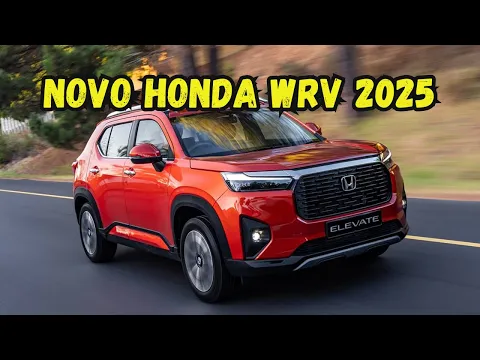

Urban Compact Strengthens the Brand’s Lineup
The Honda City Hatchback 2025, officially launched in March 2025, arrives to reinforce the brand’s offering in the compact segment.
Thus, the model features a refreshed look and smart solutions for urban mobility, characteristics that make it a competitive option for those seeking an agile and economical car.
According to a study from the Brazilian Institute of Automotive Studies (IBEA), the new City Hatch has the potential to increase Honda’s share in a segment currently dominated by other automakers.
How the Innovations Impact the National Market
The simultaneous launch of the three models in 2025 represents, without a doubt, a strategic move by Honda. Thus, the company seeks to consolidate its position in Brazil and compete in key segments: mid-size sedans, SUVs, and urban compacts.
Additionally, the introduction of hybrid versions directly addresses the growing demand for more efficient and sustainable vehicles. According to market data released by the National Association of Motor Vehicle Manufacturers (ANFAVEA), the demand for hybrids and electrics is expected to grow by over 20% in 2025.
Competitive Market Requires Constant Innovation
Despite the innovations, the Brazilian automotive market remains highly competitive. After all, traditional automakers and new Chinese brands are vying for space, pushing all manufacturers for more technology, safety, and efficiency.
Therefore, Honda bets on a diversified portfolio aligned with global trends, reinforcing its image of quality and reliability.
Thus, it remains to be seen whether this new lineup will be sufficient to face competition and maintain the brand’s relevance among Brazilian consumers.
What Do You Think Should Be Honda’s Priority?
Expand faster in the hybrid segment or focus on consolidating its SUVs in Brazil? Share your opinion!





