






 Portuguese
  Spanish
  3 min of reading


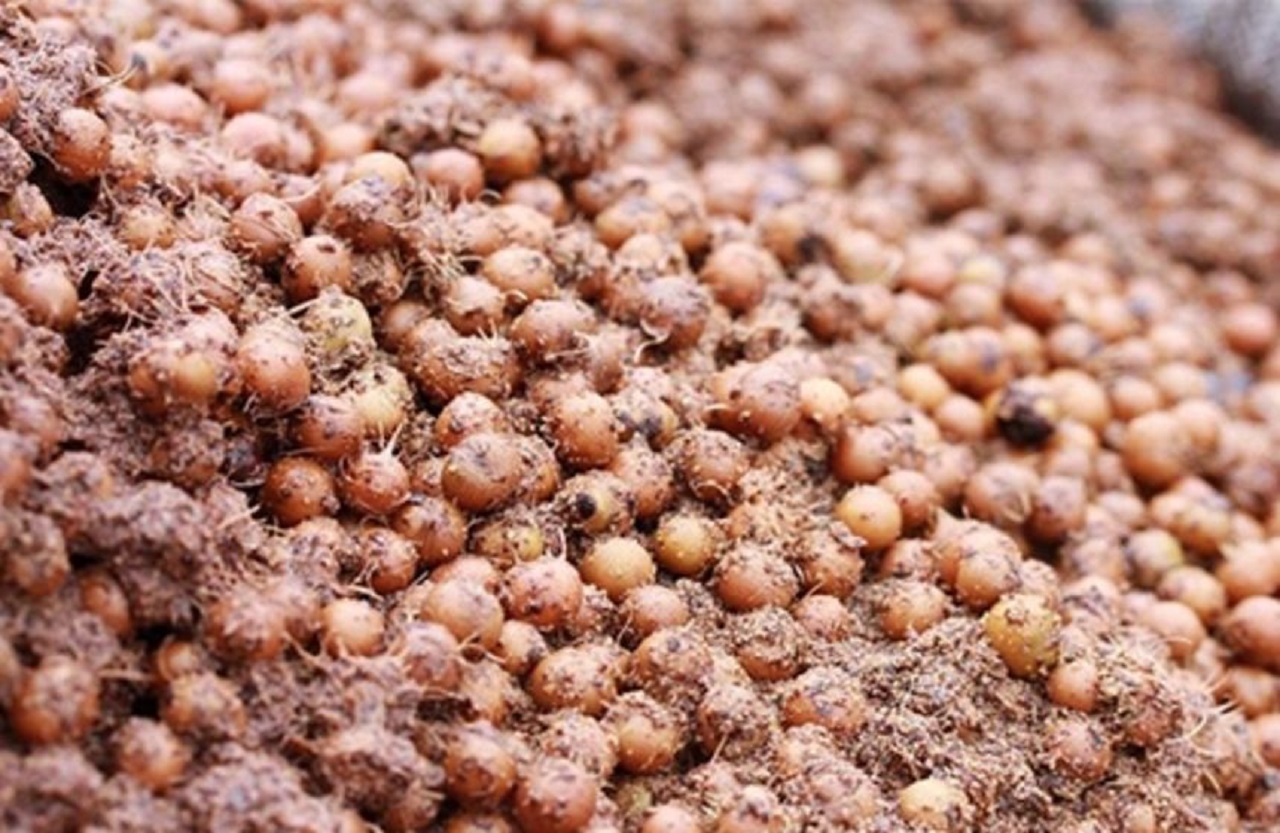
The Study Conducted by Hydro, in Partnership with UFPA, Aims to Transform Acai Seed Waste into Fuel to Be Used on an Industrial Scale in the Alunorte Refinery Boilers
Hydro, in partnership with the Mechanical Engineering degree program at the Federal University of Pará (UFPA), is working on evaluating the technical and economic feasibility of using acai seeds as fuel, which could be used in the boilers of Alunorte, an aluminum refinery located in Barcarena/PA. The state of Pará is a leader in the production and global export of acai pulp, reaching a production milestone of approximately 1.1 million tons of acai in 2019, according to the State Secretariat of Agriculture and Supply of Pará – Sedap. The research will last for one year and will involve an investment of around R$ 500 thousand, which will be well utilized in analyzing all technical and logistical requirements so that the acai seed can then be used on an industrial scale, as well as conducting a thorough study of the social and environmental aspects of using this seed as a source of renewable fuel.
Read Other Related News
Reusing Acai Seeds
Hydro’s initiative with UFPA could contribute to the sustainable development of Pará’s industry. During acai pulp production, the seeds are discarded, so the research consists of positively reusing this waste and applying it on an industrial scale.
-
How the right choice of blocks reduces construction costs by up to 30%, eliminates beams and pillars, and prevents structural failures that can lead to rework, material waste, and significant losses over the years.

-
Researchers create reusable brick walls that can be dismantled and rebuilt elsewhere, like Lego pieces, to reduce construction waste and cut emissions by up to 60%.

-
During the construction of the world’s highest bridge, the Huajiang Bridge in China, engineers discovered a giant aquifer and turned what would have been a serious problem into a 625-meter artificial waterfall, an engineering feat that no one had planned.
-
The river rose 15 meters overnight and devastated a village in Vietnam in 2025, and Japan responded with dams that hold back mud and stones, training 15,000 people for evacuation, and a sewage station for 1 million residents.



The acai seed is already being reused on a smaller scale in other sectors. Using acai seeds in an aluminum refinery could enable a new economic cycle. A total of 11 researchers are involved in this study, and an analysis will also be conducted to understand the challenges of the supply chain and the seasonality of this product.
According to Sergio Ferreira, Executive Manager of Renewable Energy Projects at Hydro, this is a symbiotic work between the acai industry and the aluminum industry, having the potential to use the residual seed from acai pulp, integrating it into the demand for renewable energy sources at the refinery.
New Economic Activity Ahead
According to the full professor at UFPA-FEM, Manoel Nogueira, the acai seed makes up 90% by mass of the total acai fruit, meaning that in 2019, about one million tons of seeds were discarded, which could generate approximately 160 MW over a year.
The professor also stated that currently the acai seed waste is an environmental liability that can be converted into renewable biofuel, with significant added value, capable of promoting a new economic activity: the production of bioelectricity.
There are also three other innovation projects underway to combat Covid-19: production of low-cost ventilators, studies on psychological effects during the pandemic, and the use of data science to create epidemiological models. As part of the agreement, the company also donated 890 tablets to assist remote learning during the pandemic.
Development in Pará Is a Priority
All investment being applied in research and development for innovation across various operations is part of Hydro’s sustainability strategy plan.
All projects are part of the technical and scientific cooperation agreement between Hydro and UFPA, which began in 2019, to develop various research lines that could enable and consolidate the development of the entire State of Pará.






Be the first to react!