Portuguese
  Spanish


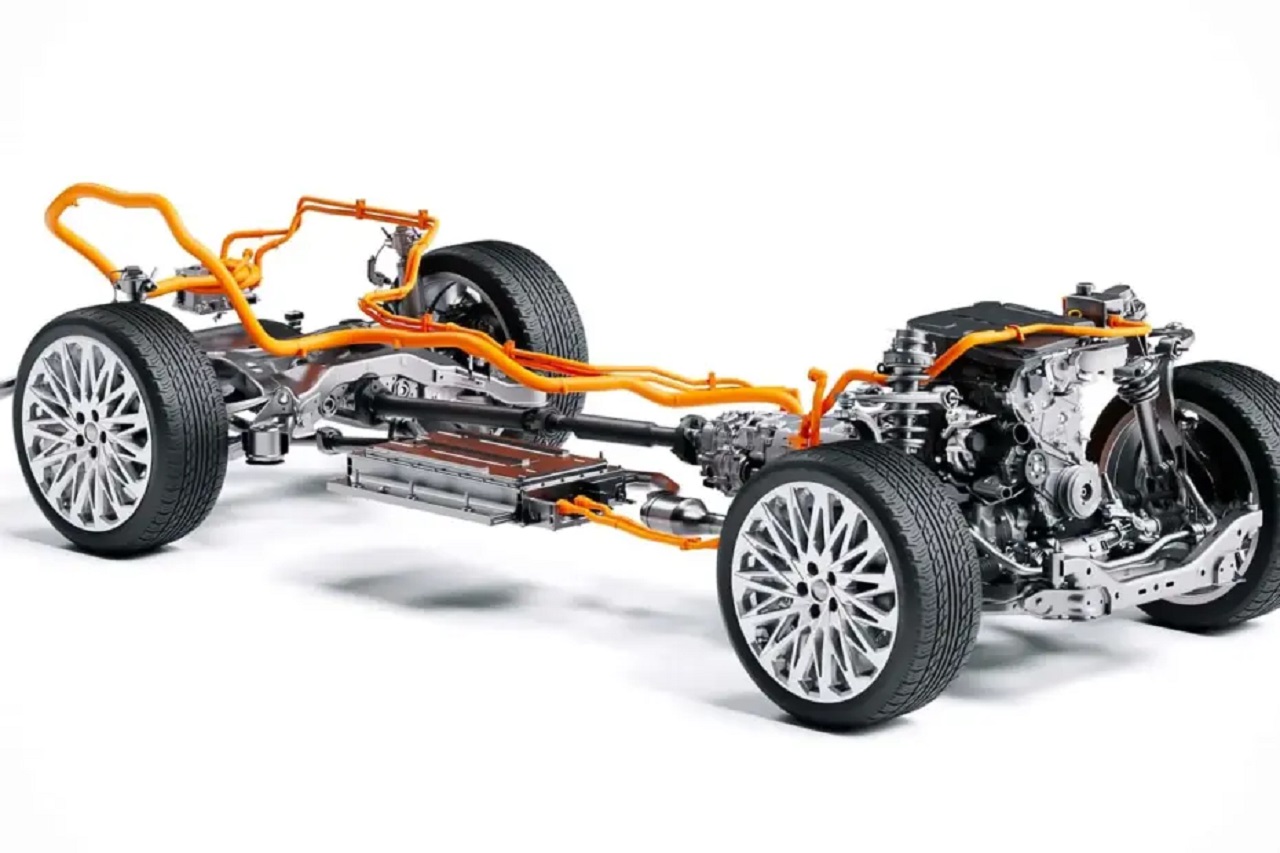

Hyundai Kia Hybrid Technology Advances with New Hyundai Hybrid System, Combining 1.6 and 2.5 Turbo Hybrid Engines, Delivering Up to 334 hp in New Models.
The Hyundai Motor Group announced this week a new advancement in its electrification strategy: the launch of a next-generation hybrid system, capable of integrating different combustion engines with two electric motors. The novelty was presented during the technical event “Next-Gen Hybrid System Tech Day” and promises to enhance energy efficiency and performance of electrified models from Hyundai and Kia, across various categories, including compact cars, full-size sedans, and luxury vehicles.
The first application will feature two gasoline turbo engines — one with 1.6 liters and another with 2.5 liters — highlighting the more powerful system, which delivers up to 334 hp of combined power and torque of 460 Nm. The new hybrid platform aligns with the group’s plan to expand its electrified lineup with modular and more economical technologies.
New Hyundai Hybrid System Features Two Electric Motors and Greater Flexibility
The new Hyundai hybrid system was designed based on an architecture that includes two electric motors, termed P1 and P2. The electric motor P1 handles tasks such as engine start, power generation, and support for propulsion at low speeds. The electric motor P2 is responsible for direct traction and regenerative braking, optimizing energy recovery during deceleration.
-
Brazilian Factory Restores Truck Engines and Parts, Reducing Raw Material Use by Up to 85% After 80 Years in Business

-
British Marines Set Record by Changing Ford Escort Engine in 42 Seconds, Unbroken for 40 Years

-
BYD Owners in Brazil Raise Concerns Over Warranty After 87,000 km, Two Repairs in Three Days, and Over $500 in Costs

-
Classic Volkswagen Beetles of Brazilian Presidents to Swap Museums in Historic Partnership


According to Hyundai Motor Group, this architecture allows compatibility with multiple combustion engines, offering a power range between 100 and 334 horsepower, and allows variations in traction and vehicle types, broadening the platform’s applicability across different segments.
The transmission has also been updated to ensure greater comfort and efficiency in urban and highway use. According to the brand’s engineers, the combination achieves a balance between refinement, performance, and fuel economy, with support for advanced dynamic control systems.
Hyundai Hybrid 2.5 Turbo Reaches 334 hp and Promises 45% More Efficient Consumption
The highlight of the new hybrid system is the combination that joins the 2.5 gasoline turbo engine with the electric system, generating a combined power of 334 hp. Torque has also been increased, reaching 460 Nm, with a gain of 9% compared to the conventional 2.5 turbo engine, according to data released by the manufacturer.
In addition to the performance boost, the new system presents energy efficiency up to 45% higher compared to the solely combustion model. The brand reported that this efficiency results from a set of integrated technologies that leverage the know-how acquired in electric vehicles.
Meanwhile, the 1.6 hybrid turbo engine shows more modest, yet still significant gains. The new generation offers 4% improvement in consumption and delivers 380 Nm of maximum torque, enhancing drivability and performance in urban and highway situations.
Platform Introduces Unprecedented Features for Hybrids, Such as V2L and Stay Mode
In addition to mechanical and electrical integration, the new system brings features derived from the group’s 100% electric vehicles, such as Vehicle-to-Load (V2L), which allows powering external devices with up to 3.6 kW of power, and the Stay Mode, which keeps features like air conditioning and sound system on even with the engine off.
These features, typically exclusive to electric models, are now part of the hybrid lineup, enhancing the comfort and functionality of the vehicles.
Other innovations include Intelligent Regenerative Braking, which automatically adjusts the level of regeneration based on traffic conditions, and Hierarchical Predictive Control, which manages battery usage more efficiently during driving.
New Generation Will Have Versions with Electric All-Wheel Drive and Advanced Stability Technologies
The system is also prepared to be integrated with electric all-wheel drive (e-AWD), with the addition of a third motor, P4, on the rear axle. This configuration may incorporate systems such as:
- e-VMC 2.0: electronic torque and stability control;
- e-Handling 2.0: improved cornering dynamics;
- e-EHA 2.0: assistance in evasive maneuvers;
- e-Ride 2.0: impact smoothing on uneven terrain.
These features are designed to provide greater safety, control, and comfort, especially in medium to large models, such as SUVs and luxury sedans.
Hyundai and Genesis Will Expand Hybrid Line Between 2025 and 2026
The Hyundai Motor Group confirmed it will expand its hybrid powertrain lineup from three to five configurations. The new technology will initially be incorporated into the Hyundai Palisade hybrid, expected in the coming months, with expansion to other higher volume models and also to the luxury brand Genesis, which will receive electrified versions by 2026.
There are also plans for the launch of hybrid systems with rear-wheel drive, which will allow applications in high-performance sedans and coupes. The automaker is betting on diversification to meet different markets, prioritizing regions with stricter environmental targets and policies incentivizing electrification.
Strategy Reinforces Hyundai Group’s Global Electrification Plan
The launch of the new Hyundai hybrid system is part of the strategic plan of the Korean group to achieve carbon neutrality by 2045. The company has invested in modular electrified platforms, allowing for scalable production and adaptation to regulatory standards in different countries.
The group already sells hybrid, plug-in hybrid, and 100% electric vehicles in various markets, but the arrival of the new technology marks a step forward in efficiency and performance of electrified models.
With the gradual implementation of this new generation, the Hyundai Motor Group aims to maintain its competitiveness against rivals such as Toyota, Honda, and Chinese brands that are also expanding their electrified portfolios.