Portuguese
  Spanish


Chinese manufacturers advance in light vehicle sales, gain ground among Brazilian consumers, and project a new phase of competition in the country
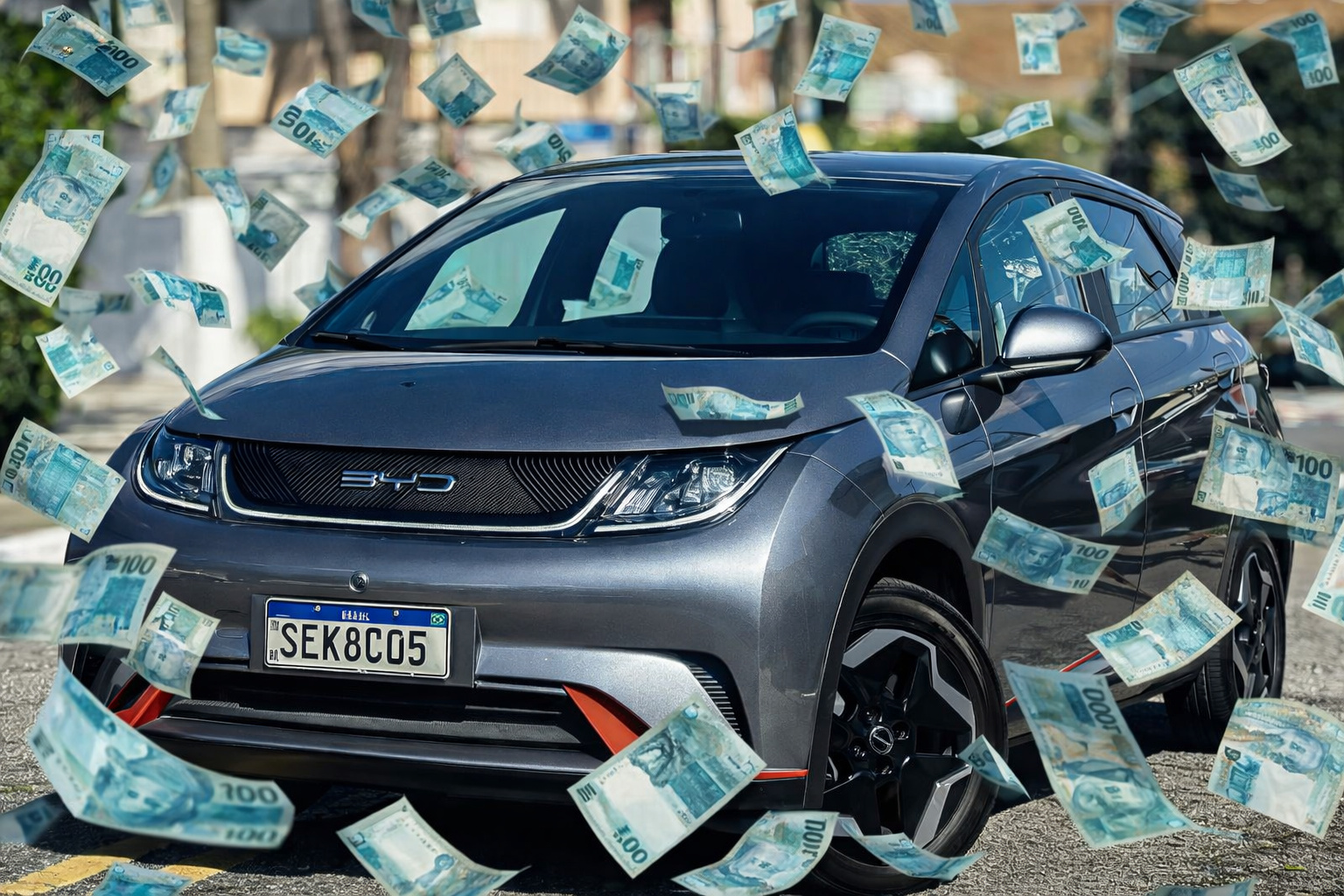
A major shift in the Brazilian automotive market was recorded in 2026, attracting the attention of experts and traditional automakers. Chinese manufacturers already occupy 15% of light vehicle sales in Brazil between January and April this year, showing that the expansion is far from losing momentum. Of the 834,688 cars and light commercial vehicles registered in the period, almost 125,000 units were from Chinese brands. This advance demonstrates that Brazilian consumers have started to see these manufacturers as competitive alternatives, mainly due to technology, the variety of models, and the constant arrival of new brands in the country.
Chinese growth alters the sector’s balance
The expansion of Chinese brands gained momentum since the beginning of 2025, when Omoda Jaecoo, GAC, MG, Geely, Leapmotor, Jetour, Denza, and Caoa Changan started operations in Brazil. These brands joined BYD, GWM, and Zeekr, which were already present in the national market. Still in 2026, DFM, Baic, Lynk&Co, and Lepas are also expected to enter the competition. This movement broadens the range of options for Brazilian consumers and increases the pressure on traditional automakers, who now face competitors with a strong appeal in technology and novelty.
Participation could reach close to one-third by 2030
Experts project that Chinese brands could reach between 25% and 30% of the Brazilian market by 2030. In other words, they could represent practically a quarter or even a third of national light vehicle sales. According to Milad Kalume Neto, responsible for K.Lume Consultoria, the scenario is still one of strong expansion. For the consultant, not even the 35% Import Tax for electric and hybrid vehicles, expected for July 2026, should halt this advance. The taxation may affect profit margins, but it should not decisively reduce shipments.
-
End of the Affordable Car Era: Fiat Argo 1.0 2026 Offers 14.7 km/l Efficiency and Easy Maintenance, but $18,000 Price Raises Cost-Benefit Concerns

-
Honda XR 300L Tornado Special Edition 2026: Off-Road Focused Motorcycle with 293.5cc Engine, 24.3 HP, Priced at $6,200
-
Indian Government Offers Up to $1,000 Incentive for Drivers to Swap Old Cars for Electric Vehicles

-
Tesla Begins Testing Two-Seater Autonomous Robotaxi Without Steering Wheel or Pedals, Featuring Onboard Safety Monitor


Local production gains strategic weight
Although the growth is significant, national production appears as a decisive point to sustain larger volumes in the coming years. Ricardo Bacellar, advisory board member and founder of the Papo de Garagem program, assesses that Chinese brands should continue to grow, but with caution. For him, it will be necessary to expand industrial presence in Brazil, as mere importation may hinder such a high market share. So far, BYD appears as the main automaker with plans for large volumes produced locally, while other brands target smaller operations.
After-sales will be decisive for customer loyalty
With more Chinese cars on the streets, after-sales service will also play a central role in this competition. The demand for warranty, parts, maintenance, and technical support is expected to increase considerably. Therefore, experts believe that agile service, availability of components, and competitive pricing will be essential to maintain consumer confidence. Chinese brands will need to offer service as efficient as their vehicles. This point could determine whether the current growth will be converted into loyalty or if some buyers will look to other manufacturers for their next car purchase.
The future of the Brazilian automotive market
The Chinese presence in Brazil reveals a profound transformation in the relationship between consumers, technology, and price. The advancement of Asian brands is occurring in a scenario of increased competition, the arrival of new models, and possible market stagnation in the coming months. Even so, experts believe that these manufacturers will continue to gain ground and customers from other automakers. If local production, after-sales, and dealership networks keep pace with sales, Chinese cars could potentially reach close to one-third of the national market by 2030.
Given this scenario, will traditional automakers be able to react before the competition changes the playing field definitively?