Portuguese
  Spanish


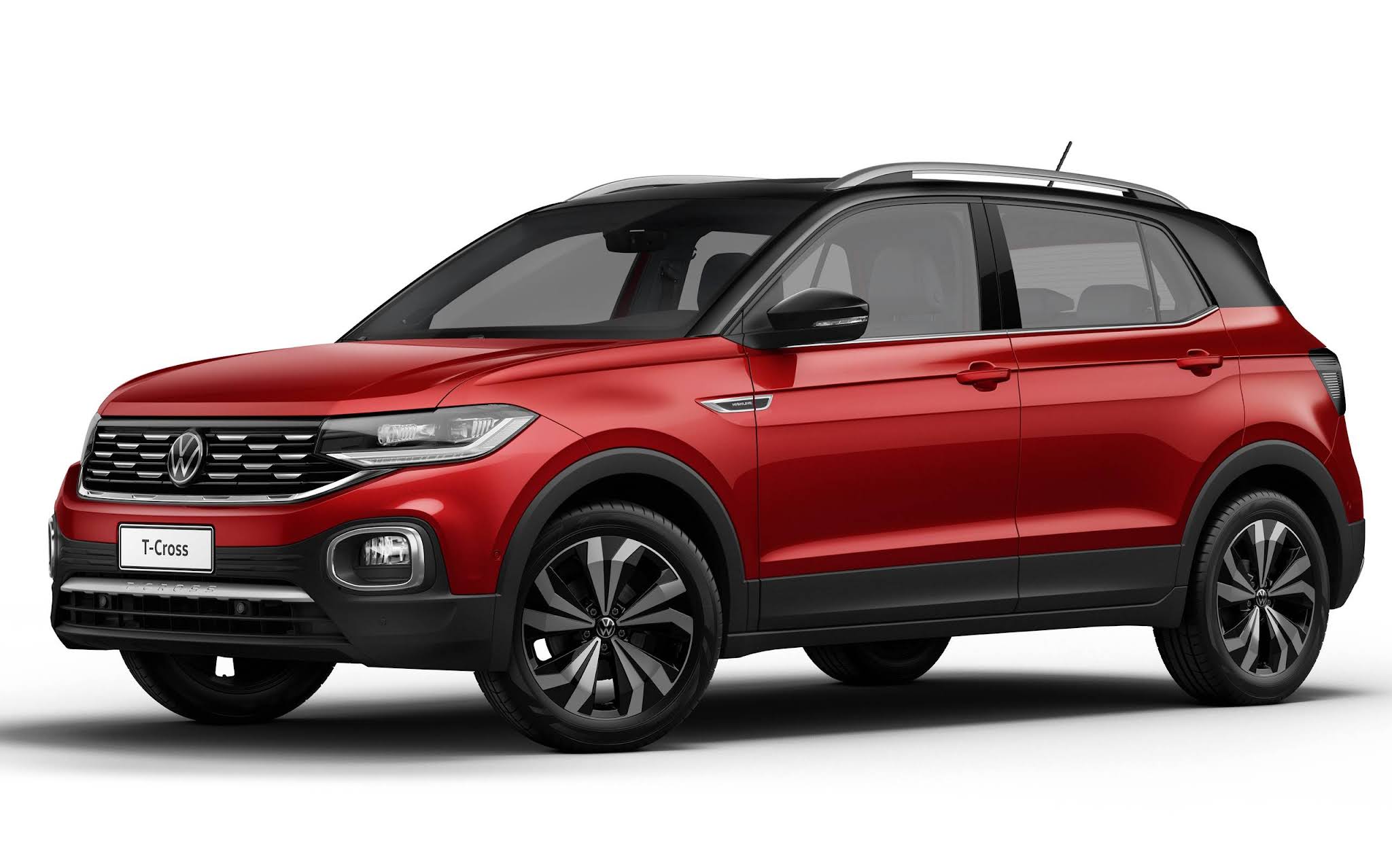


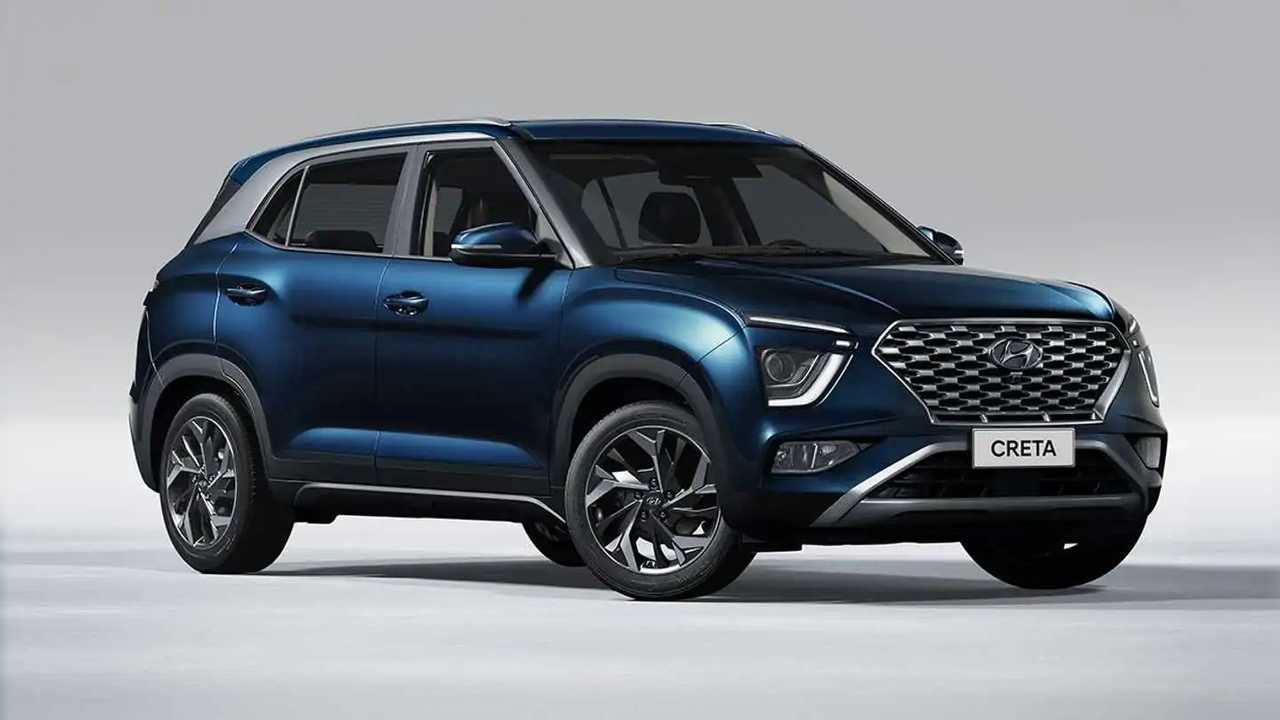
When Brazilians think about buying a compact SUV, two options almost automatically come to mind: Hyundai Creta and Volkswagen T-Cross. Both compete for space among the best-selling models in the country, but one issue has increasingly weighed on consumers’ decisions: which one offers cheaper long-term maintenance?
In recent years, manufacturers have invested in design, technology, and safety. However, it is in the sum of costs for inspections, parts, and repairs that the wallet feels the difference. We spoke with experts and analyzed recent market data to address this question that moves dealerships and workshops across Brazil.
Warranty and Scheduled Maintenance
One of the points that quickly catches attention is the warranty policy. Hyundai takes the lead by offering five years with no mileage limit for private use. This extensive coverage gives the owner peace of mind and reduces concerns about unexpected expenses during the initial period.
-
Chevrolet’s Parent Company to Invest Billions in Brazil to Modernize Factories, Update Cars, and Accelerate Hybrid Launch by 2028

-
Practical Driving Tests in Brazil Surge by 23.5%, Exceeding 2.2 Million by 2026, as New Rules Make the Process Cheaper and Simpler
-
Brazil’s Lula Government Allocates $463 Million Quota for Electric Car Parts, Waives Import Tax Until December, Sparking Competition Among BYD, Automakers, and Unions as Consumers Question Impact on Prices and Local Industry

-
Thinking of Installing LED Headlights? Why Replacing Halogen Bulbs is Still Banned, the Glare Risks Authorities Worry About, and How a New Proposal Could Allow Certified, Safe Installations


Volkswagen, on the other hand, offers three years of warranty, limited to 10,000 km or 12 months — whichever comes first. Although this is standard across various manufacturers, it falls short of what Hyundai provides.
In terms of scheduled maintenance, the scenario also favors the Creta. The packages announced by the manufacturer are, on average, more affordable and transparent. In the case of the T-Cross, the frequency may be slightly lower, but each visit to the dealership generally costs more, according to recent comparisons published by specialized sites.
Ease of Technical Maintenance
Another important aspect involves the accessibility of components. Mechanics consulted in industry analyses highlight that the Creta has a more organized engine bay, allowing for simple replacements — such as oil, brake fluid, or coolant reservoir — to be done quickly and without complex maneuvers.
In the T-Cross, while there is nothing that compromises reliability, some components are in tighter spaces. This requires more service time and, consequently, may increase the cost of labor. In a country where the cost of technical hours is significant, this difference reflects on the bill.
Parts and Market Availability
When it comes to maintenance, it’s not enough to just look at inspections. The availability and price of parts matter a lot. In this regard, the Creta has an advantage: common wear components, such as brake pads and filters, are more plentiful in the parallel market, which drives prices down.
On the other hand, the T-Cross, being a more modern project with more embedded technology, may have some parts at higher prices. The situation worsens in areas outside the major urban centers, where replacement is less immediate.
The Impact of Fuel Consumption
If the calculation were based solely on maintenance, the Creta would be the uncontested winner. But the T-Cross still manages to balance the equation in another aspect: fuel consumption. Recent comparative tests indicate that the Volkswagen consumes less fuel, especially on highways. For those who drive many kilometers per month, this savings can offset some of the additional costs with inspections.
Nonetheless, in urban use — the reality for most drivers — the greater weight ultimately falls on maintenance costs, where the Creta maintains its advantage.
Practical Comparison in Brazil
A survey conducted with used models — 2019 Creta and 2021 T-Cross — showed that both maintain good liquidity in the used car market. The T-Cross, being newer in terms of design, tends to have a higher purchase price. However, in the long run, the Creta has proven to be more economical in maintenance, with easily found parts and lower-cost inspections.
In other words, those who prioritize expense predictability and prefer to avoid surprises at the workshop find an ally in Hyundai. Conversely, those seeking a slightly more efficient performance on the road may lean towards Volkswagen, accepting the higher maintenance costs.
Who Has the Financial Advantage
In summary, experts point to the Hyundai Creta as the option with the best long-term maintenance cost-effectiveness. The combination of more affordable inspections, easier technical access, and generous warranty favors those seeking peace of mind.
The T-Cross, for its part, remains a desirable SUV, especially for offering competent performance and lower fuel consumption. However, for the driver who meticulously measures every expense, the numbers show that it can weigh more on the budget.
In times of high gasoline prices and increasingly crowded workshops, considering more than just the purchase price and looking at maintenance costs becomes essential. The competition between Hyundai Creta and Volkswagen T-Cross remains fierce on the streets, but when the criterion is cheaper long-term maintenance, the advantage lies with the Creta.