Portuguese
  Spanish


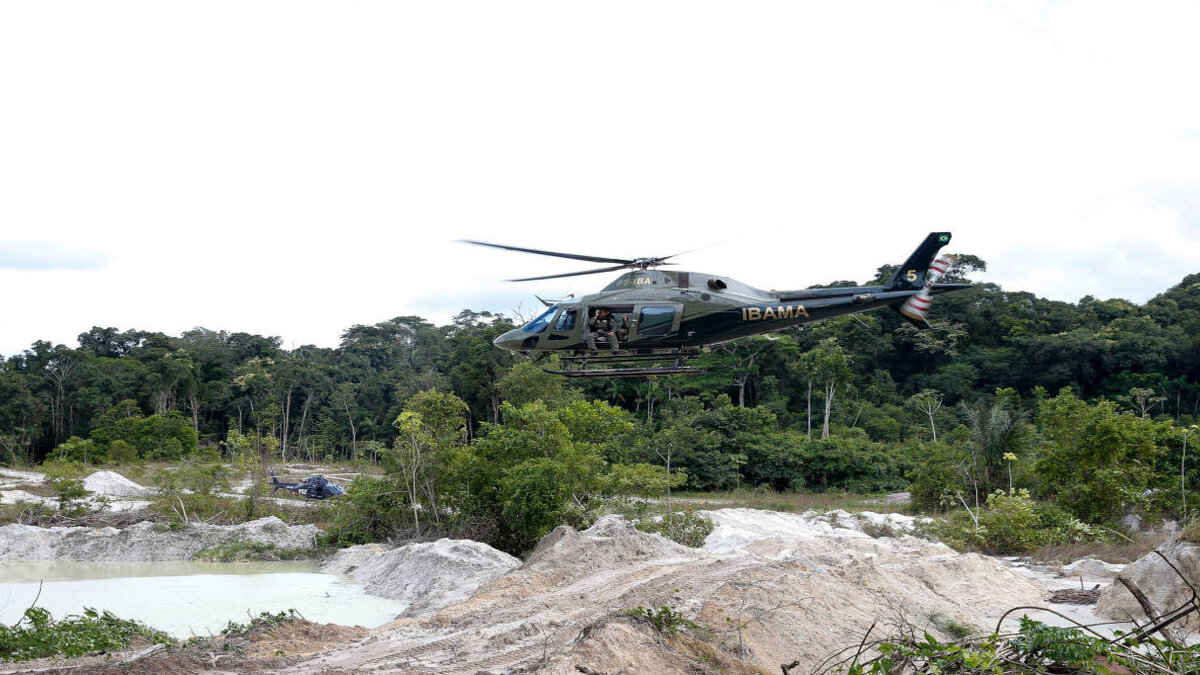

Ibama Has Already Refused Three Times to Grant the Licensing for the Potassium Mining Project by Potássio do Brasil in the Amazon Region Due to Environmental Impacts and Conflicts in Indigenous Lands That Will Be Caused by the Enterprise.
The company Potássio do Brasil continues to seek to implement its potassium mining project in the Amazon region and continues to fail in this process. This is because Ibama (Brazilian Institute of Environment and Renewable Natural Resources) continues to refuse the licensing request to have the exploration plant installed in locations that threaten the existence of indigenous peoples in the northern part of the country.
Potássio do Brasil Continues to Seek to Implement Its Potassium Mining Project in the Amazon Region, But Ibama Refuses to Conduct Licensing
During a total period of only 4 months, Ibama refused 3 times the request from Potássio do Brasil for the licensing of its potassium mining project in the Amazon region, which requires this document to be installed and start exploration. The expansion of the mining project to areas of indigenous lands may put the living conditions of this population at risk, and even with this constant threat, the government agency continues to refuse to conduct the licensing process and even block the project.
Furthermore, the issue of Potássio do Brasil’s venture for potassium exploration in the Amazon region has been debated for several months, and the MPF (Federal Public Ministry) in Amazonas accuses Potássio do Brasil of co-opting indigenous people in an attempt to secure the potassium business in the region. The agency also determined that the mining company return an area of indigenous land purchased from the local peoples.
-
They exchanged the idea of a large house for a 35 m² warehouse, spent US$ 12,000 on the structure, and created a tiny house in Colorado with space to live and work.

-
While modern cities rely on pumps and electricity, in Iran, ancient tunnels carried water through the desert using only slope and gravity.
-
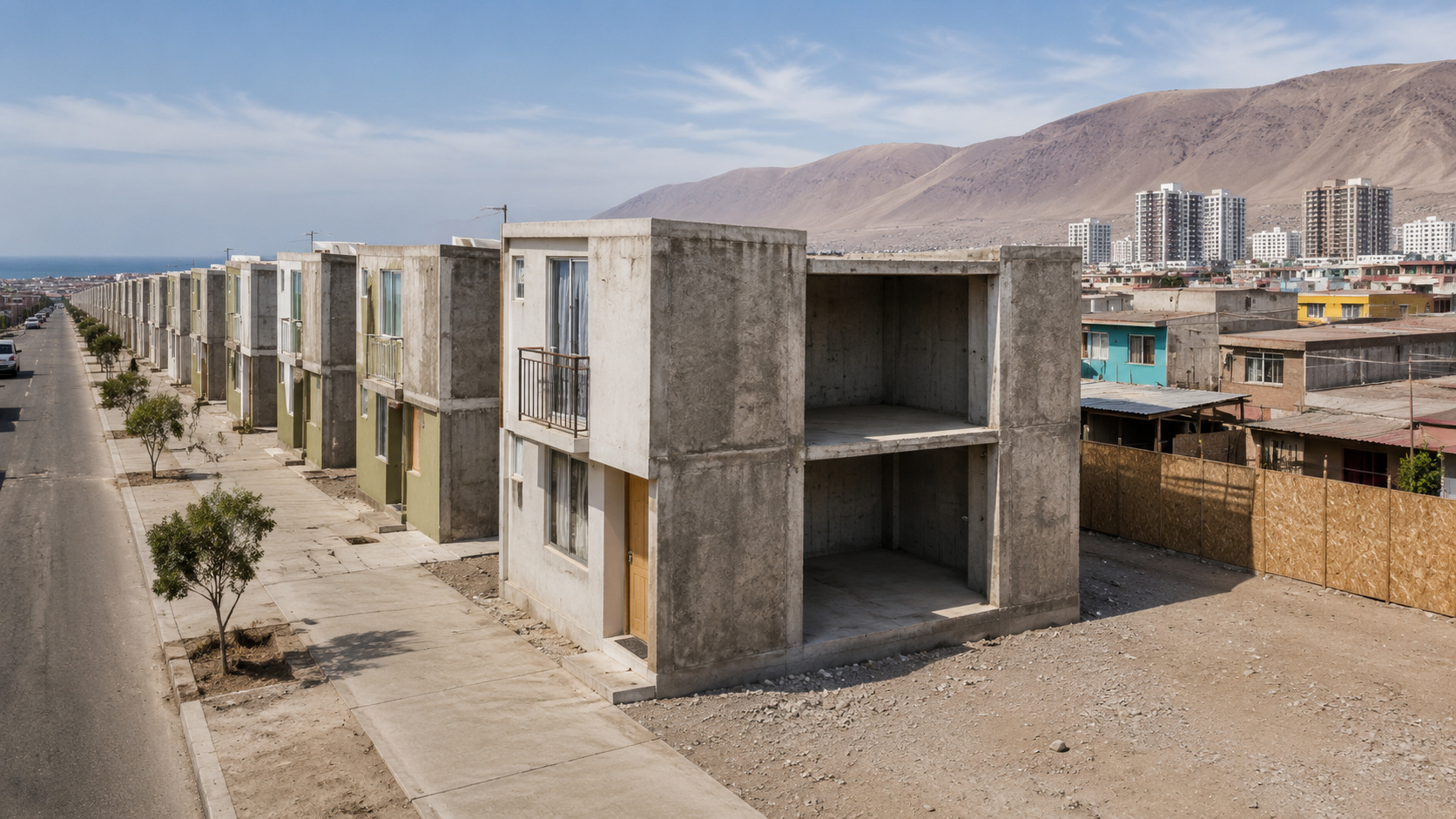
Instead of sending families far from the city, a project in Chile intentionally created incomplete houses on expensive urban land and left technical space for each to grow.
-
General Motors Replaces Over a Thousand Workers with 50 Cobots at Electric Vehicle Plant, UAW Union Criticizes Move Amid Industry’s Automation Push


And, although it has not yet obtained Ibama’s licensing to expand the potassium mining project, Potássio do Brasil sought licensing from Ipaam (Environmental Protection Institute of Amazonas), the local environmental agency.
However, the MPF claims that the license, issued around the year 2015, is completely illegal and that the approval of mining the resource in the region must only be granted by Ibama. Thus, the project remains under development, and even if it does not expand, as the agency does not grant licensing, the company continues to threaten the existence of indigenous peoples.
Ibama Continues to Exempt Itself from the Licensing Process or Suspension of Potássio do Brasil’s Project in the Amazon Region
Even with the entire scenario of constant threats to the indigenous peoples of the Amazon region, the licensing or suspension process for the mining project of the company does not happen due to Ibama’s exemption from this case. Thus, federal judge Jaiza Maria Fraxe, responsible for the civil public action, has already determined the citation of Ibama for the conduction of the process but has not yet obtained results.
The agency continues to exempt itself from the case and stated in an interview that a complementary law from 2011 establishes that licensing is not within its jurisdiction when the enterprise is outside indigenous land. On the other hand, Potássio do Brasil aims to maintain its benefits and claims to respect the territorial limits of indigenous peoples and that Ipaam is the competent agency for the licensing of the project.
Thus, the company states that “Potássio do Brasil acquired the assets in the Autazes region lawfully and legitimately, without any malice or coercion, through a negotiation process involving the interested parties,” and the security instability scenario for the indigenous peoples in the region continues to intensify.