






 Portuguese
  Spanish
  3 min of reading


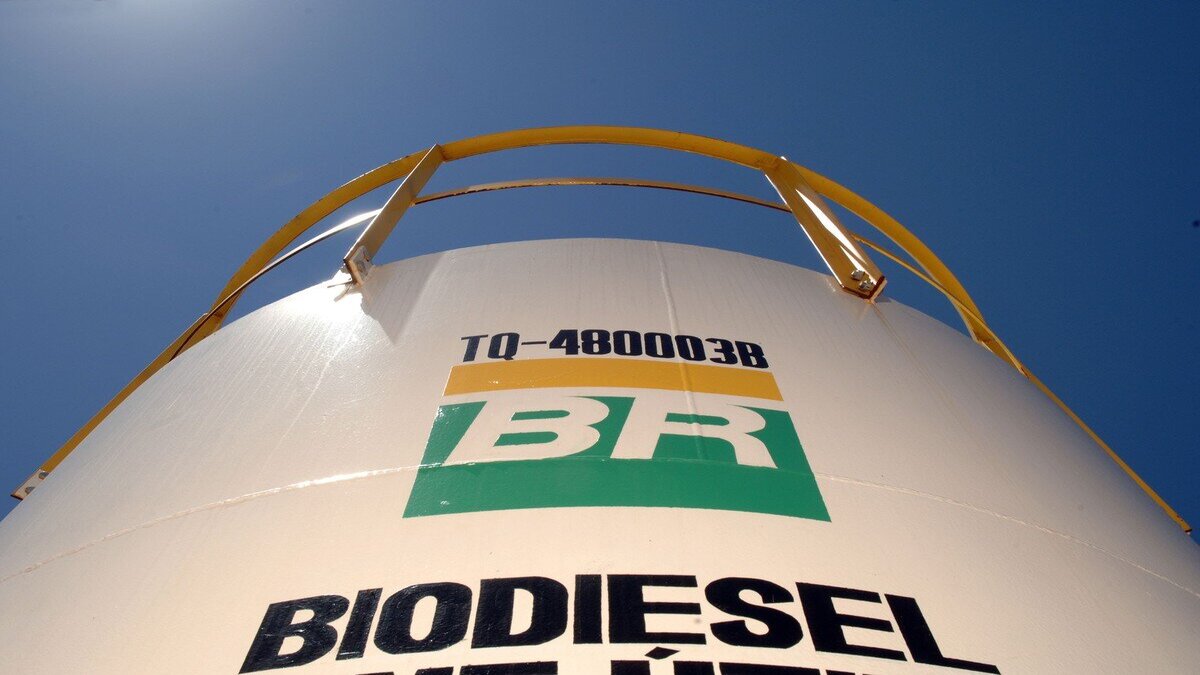
The IBP Believes It Is Necessary to Ensure New Specifications for Better Product Quality in the Fuel Sector. The Lula Government’s Plan Is to Expand the Percentage of Biodiesel in the Diesel Blend, Following the Suspension of the Increase Under the Bolsonaro Administration.
The Lula government’s plans for investments in biofuels in the national market are on full steam at the beginning of 2023. However, the Brazilian Institute of Oil and Gas (IBP) believes it is necessary to reevaluate and bring new specifications for increasing the percentage of biodiesel in the marketed diesel blend. This is essential to ensure product quality and minimize risks to the national fuel sector.
Lula Government Aims to Increase Biodiesel Percentage in Diesel Blend. IBP Suggests New Evaluations to Maintain Product Quality in the Market
The Lula government’s plan to expand the amount of biodiesel in the marketed diesel blend in Brazil is now subject to criticism from the IBP.
The institute believes that the project requires new specifications to ensure product compatibility with the Proconve P8 engine technologies.
-
Petrobras is expected to complete the drilling of the Morpho well in the Foz do Amazonas in August 2026, the first well in the Equatorial Margin, an oil frontier that the ANP estimates at more than 30 billion barrels and could redraw the map of Brazil.

-
Oil returns to the center of concerns with tension between the US and Iran

-
Brazilian scientists are simultaneously advancing two research projects on clean hydrogen and driving solutions that could transform the energy matrix, enhance industrial competitiveness, and accelerate large-scale emission reduction targets.

-
IEA reduces forecast for global oil demand in 2026 after impacts of the Middle East crisis




After assuming the Ministry of Mines and Energy in the new administration, Alexandre Silveira stated that the plan for expanding the percentage of biofuel in the blend will be discussed with producers, specialists, and representatives of the fuel sector.
Thus, the IBP expressed a very positive intention from the Lula government to stimulate the production and use of biodiesel in the diesel blend, enhancing the biofuels segment in the country.
Furthermore, the institute believes that transparency in the diesel blend is essential, especially with the end consumer.
However, for this to happen responsibly, a more consistent planning is necessary, as well as the publication of new transesterification biodiesel specifications, which are under review at the ANP.
Following reports from users and the automotive sector regarding failures and performance losses, the ANP held a public hearing on the topic of biofuels, aiming to attract new suggestions for the agenda.
Currently, all diesel marketed in the country contains 10% biodiesel (B10), since the Bolsonaro government suspended the continuation of the percentage increase that was planned for the following years.
The National Energy Policy Council (CNPE) expected the amount of the product in the diesel blend to reach 14% in 2022 and 15% in 2023.
The Lula Government’s Plan to Expand the Use of National Biomass Could Strongly Contribute to the Biofuels Sector in the Coming Years
After assuming the presidency for the third time, President Lula decided to resume the expansion of the biofuels sector in Brazil, with the increase of biodiesel in the diesel blend being one of the main measures adopted.
In this way, reaching 15% in the amount of biofuel in the blend could mean an advancement following the suspension implemented by former President Bolsonaro.
Despite this, the IBP believes that there should be a thorough evaluation of the product in the fuel sector before commercialization begins, to avoid risks as previously reported.
“The presence of new biofuels in a single term expands the use of the country’s abundant biomass and paves the way for an increasingly cleaner fuel matrix, in addition to bringing logistical optimizations, enabling competition among different agents and products, promoting the development of regional vocations, with potential benefits regarding price, quality, and supply to consumers,” affirms the institute.
Now, we must await the next steps of the Lula government regarding the Ministry of Mines and Energy’s project.






Be the first to react!