Portuguese
  Spanish


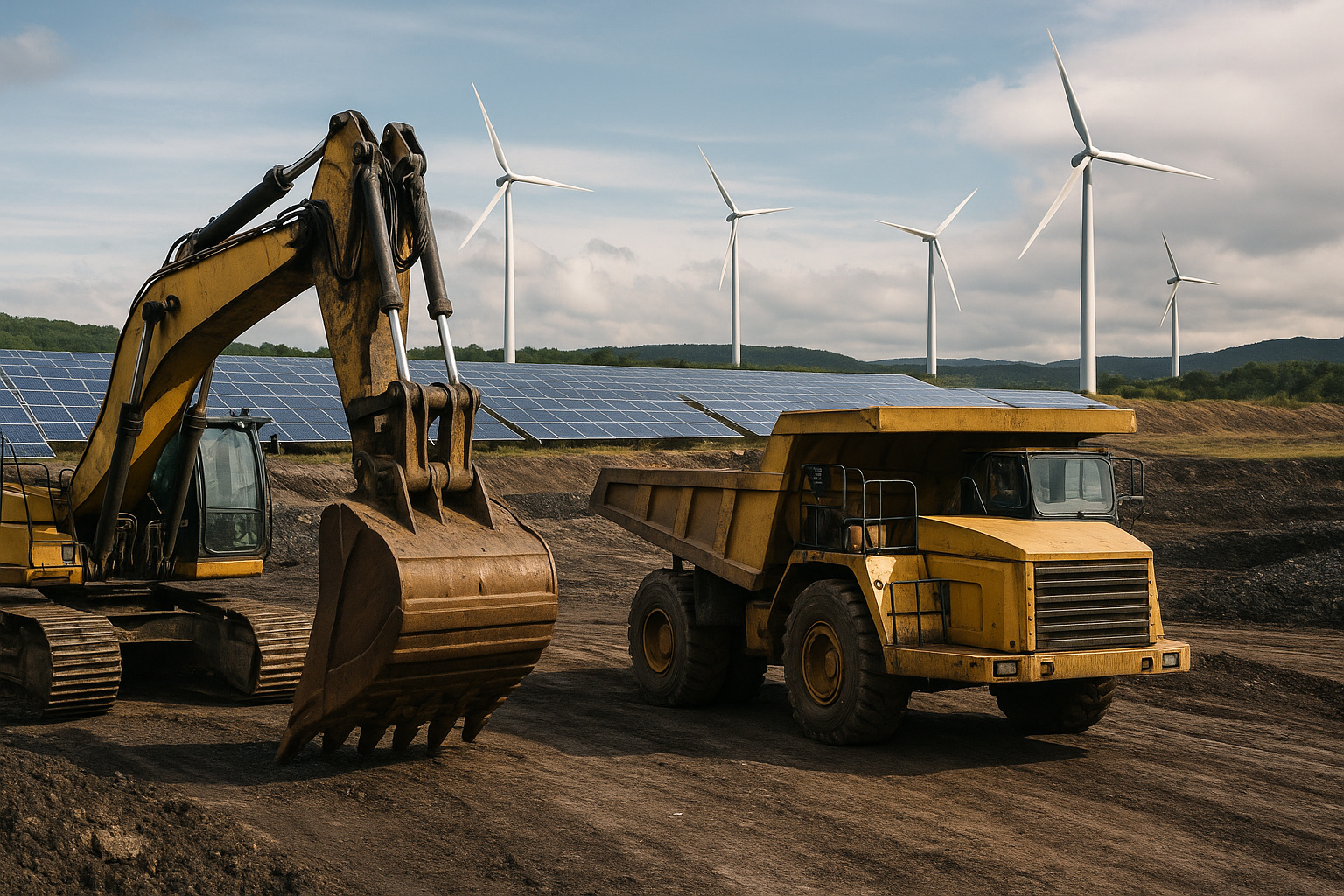

Sector Launches Unprecedented Commitments by 2030 and Seeks to Consolidate Brazil as a Green Power and Reliable Destination for International Investments.
The Brazilian Mining Institute (Ibram), which represents 85% of the mining companies in the country, announced in October 2025 a national sustainability plan with goals aimed at reducing emissions, increased use of clean energy, and environmental preservation. The launch took place on the eve of COP30, which will be held in Belém (PA). Thus, the goal is to align the sector with the global climate agenda and position Brazil as a reference in sustainable mining.
Furthermore, the plan includes five main commitments, created to guide the sector’s operations until 2030. According to Ibram, COP30 will serve as a strategic showcase for Brazil’s critical and strategic minerals, such as lithium, copper, and nickel. These minerals are essential for low-carbon technologies and thus drive the advancement of the global green economy.
Sustainability Goals and Emission Reduction
Among the commitments, Ibram set a 15% increase in the use of renewable sources in the energy matrix of mining by the end of the decade. Additionally, it established a net gain of 10% in biodiversity, balancing preserved areas with those impacted by operations.
-
Green Roofs on Homes Gain Popularity for Reducing Heat, Noise, and Rain Impact in Brazil

-
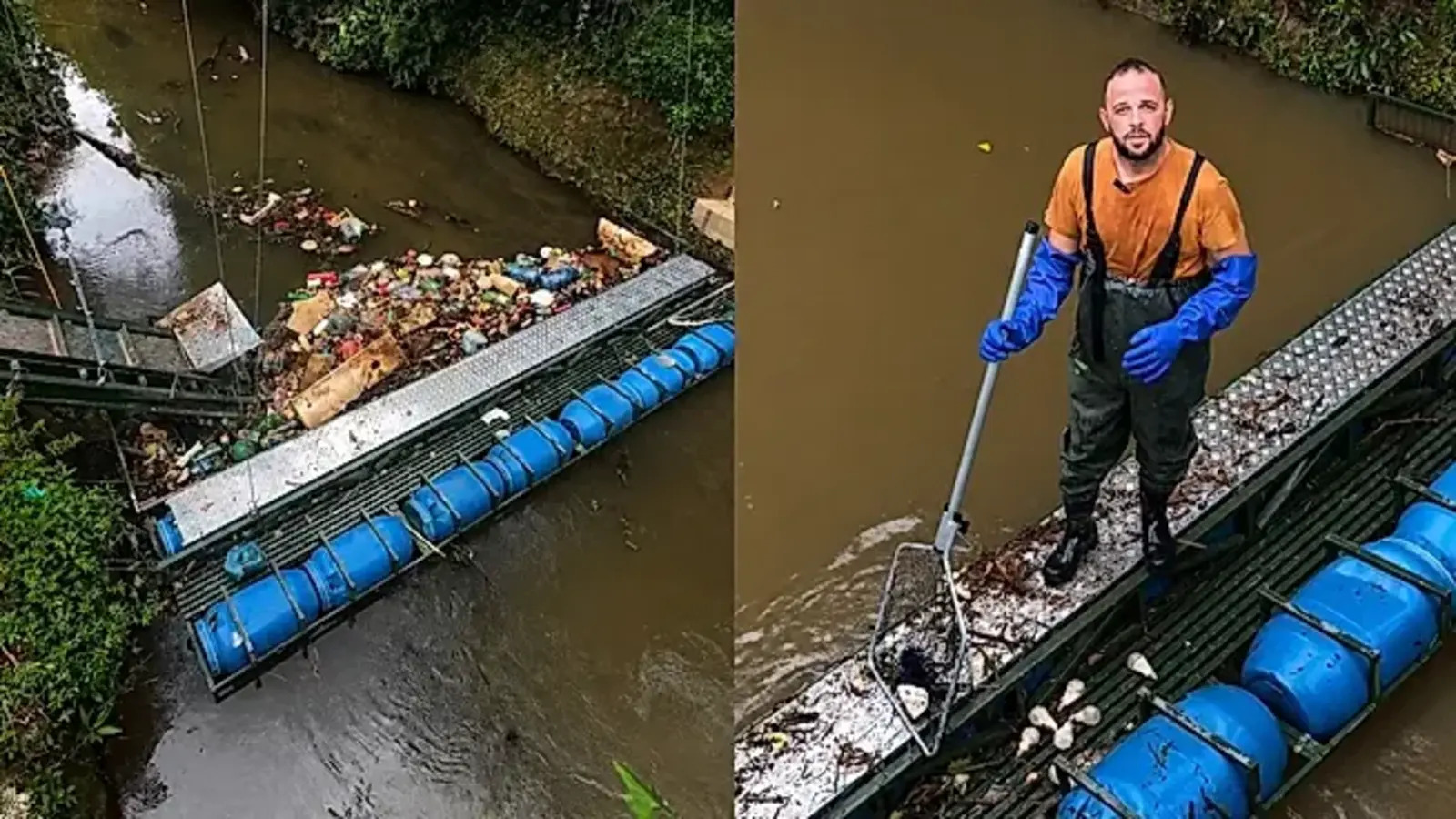
Brazilian promises his children to save a river, creates an eco-barrier in his backyard, has already removed more than 40 tons of trash from the water, and even inspires the idea in other states of the country.

-
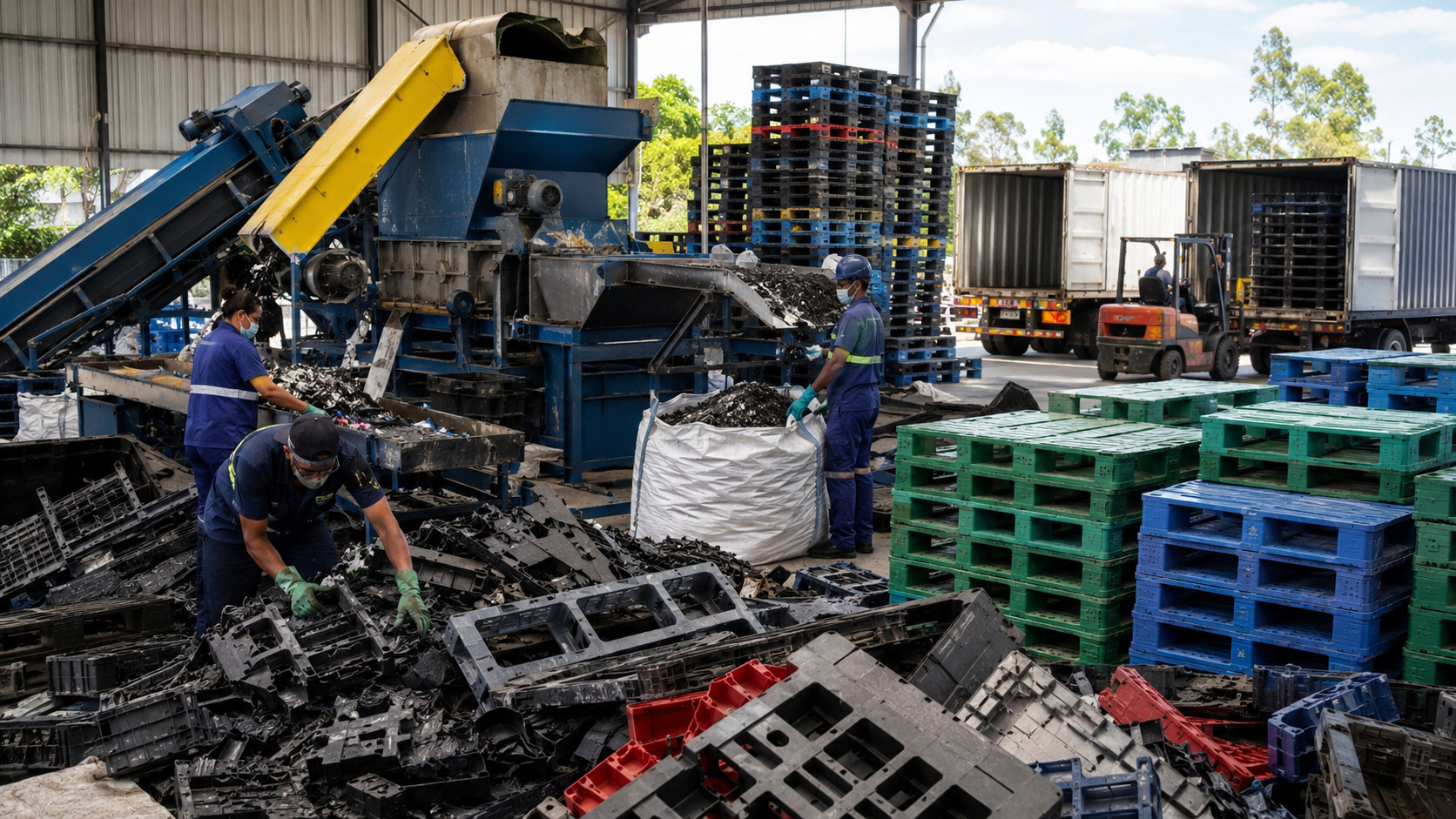
How a Brazilian company created a system that transforms broken pallets of any brand into new assets, recycles 80 tons of plastic per month, and found a profitable solution to a problem that challenges industries across the country.
-
Invasive bullfrog capable of devouring other amphibians and laying up to 20,000 eggs is found in Florianópolis, raising an alert about the threat to native fauna.


The plan also includes a 10% reduction in the use of new water in mineral activities. Thus, the sector seeks to improve water efficiency, strengthen environmental governance, and reduce pressure on natural resources.
Additionally, the document provides for the creation of 25 municipal climate adaptation plans in regions with significant mining presence. Thus, Ibram aims to integrate local environmental management with the national strategy for climate resilience.
In the area of decarbonization, the institute commits to reducing direct emissions from mining companies and reducing emissions throughout the global iron ore chain. At the same time, the sector aims to encourage technological solutions and increase the production of strategic minerals, accelerating the energy transition throughout the country.
According to the document, there is an “inseparable relationship between climate, energy, and mining”. Therefore, the advancement of a low-carbon economy directly depends on the availability of high-quality critical minerals.
Technical Planning and Monitoring Until 2030
The goals are part of a technical planning coordinated by Ibram in partnership with the Ministry of Mines and Energy (MME), the National Mining Agency (ANM), and environmental agencies. Additionally, the plan will be evaluated annually, with public performance indicators and periodically reviewed reports, according to information from Agência Brasil and CNN Brasil.
The president of Ibram, Raul Jungmann, stated that “Brazil has all the conditions to lead sustainable mining in the world.” He emphasized that the plan was built on scientific data, in collaboration with the federal government, and in dialogue with local communities. Thus, the document consolidates the country’s commitment to sustainable development and environmental transparency.
Currently, the Brazilian mineral sector represents about 4% of the national GDP and plays a strategic role in the supply chain of the green economy. The country also stands out in the production of metals used in solar panels, turbines, and electric batteries, which reinforces the necessity of technological innovation combined with environmental sustainability.
COP30: The Stage for Brazilian Sustainable Mining
The COP30, scheduled for November 2025, will bring together leaders from over 190 countries in Belém. Therefore, the event is expected to consolidate Brazil as a protagonist in the global energy transition and open up space for new international partnerships.
During the meeting, Ibram will present environmental performance reports and propose the creation of an international green certification seal for mineral products. Thus, the proposal aims to ensure transparency, traceability, and credibility, reinforcing the country’s image as a reliable exporter of sustainable inputs.
Governance and Implementation Challenges
The goals are ambitious and therefore require solid governance, rigorous oversight, and ongoing technical audits. According to the Institute of Energy and Environment (Iema), the success of the plan will depend on cooperation between companies, government, and civil society. Moreover, it will be necessary to maintain independent verification systems, ensuring compliance with environmental targets.
Ibram emphasizes that the commitment is long-term and that all actions will be periodically reassessed. Thus, the focus will be on balancing economic growth, technological innovation, and environmental preservation, ensuring that the sector advances sustainably.
A New Cycle for Brazilian Mining
With the implementation of the plan, Brazil seeks to reposition the mineral sector in the global scenario, reconciling development and sustainability. Additionally, the document marks the beginning of a new cycle of transformation, in which mining becomes an essential part of the global energy transition.
Still, the major challenge will be to convert goals into concrete results and ensure the execution of promised actions. In light of this scenario, the inevitable question arises: Will the Brazilian mineral sector be able to fulfill its promises and establish itself as a world leader in sustainability and clean energy?