






 Portuguese
  Spanish
  3 min of reading
  0 comments


The city of Icó, in the interior of Ceará, houses one of the most important historical architectural ensembles in the Brazilian Northeast. According to a report published by g1 Ceará on June 17, 2026, the municipality has more than 400 listed properties, many of them built between the 18th and 19th centuries and preserved to this day.
Furthermore, the historical heritage has transformed Icó into a national reference when it comes to urban memory conservation. Because of this collection, the city attracts tourists, researchers, and students interested in the history of the occupation of the northeastern hinterland.
City emerged as an important commercial center
The history of Icó began at the end of the 17th century. Subsequently, the region developed thanks to its strategic location on the trade routes that connected the interior of the Northeast to other areas of the Portuguese colony.
Moreover, the municipality stood out as one of the main economic centers of Ceará during the 18th and 19th centuries. At the time, merchants, cattle ranchers, and travelers used the city as a point of passage and business. As a result, mansions, churches, and public buildings emerged, which remain preserved to this day.
-
Gardener transforms shack into a “palace” using wood and paint found in the trash, and the result impresses with creativity

-
Prepare your wallet before traveling because a fee of up to R$ 90 per day has been postponed to August in Porto Seguro, Bahia, but the charge will remain on the radar for tourists, residents, and drivers entering the city.

-
Japanese ship known as the “hell ship” was located near the island of Luzon and confirms one of the most striking maritime tragedies of 1944.
-
A stumble on a stone along the way led a French postman to work for 33 years and single-handedly build a giant palace, transforming his ordinary routine into a historical monument.


More than 400 properties tell the history of the region
According to the g1 report, the historical ensemble of Icó includes more than 400 properties protected by heritage preservation policies.
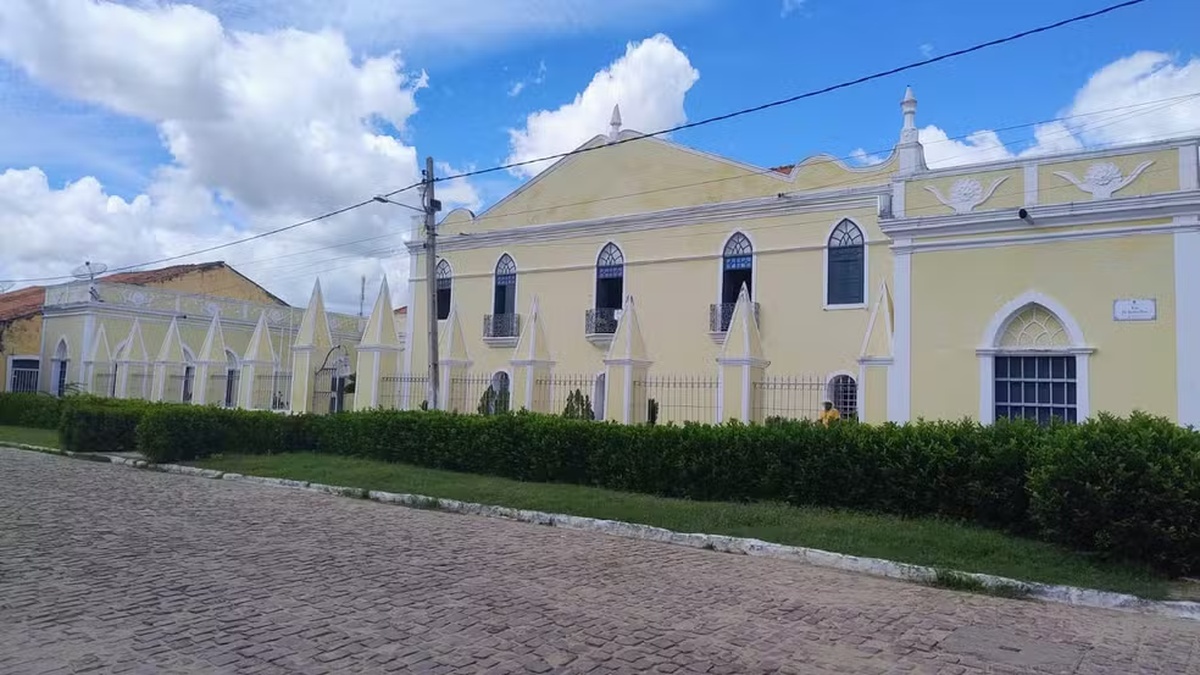
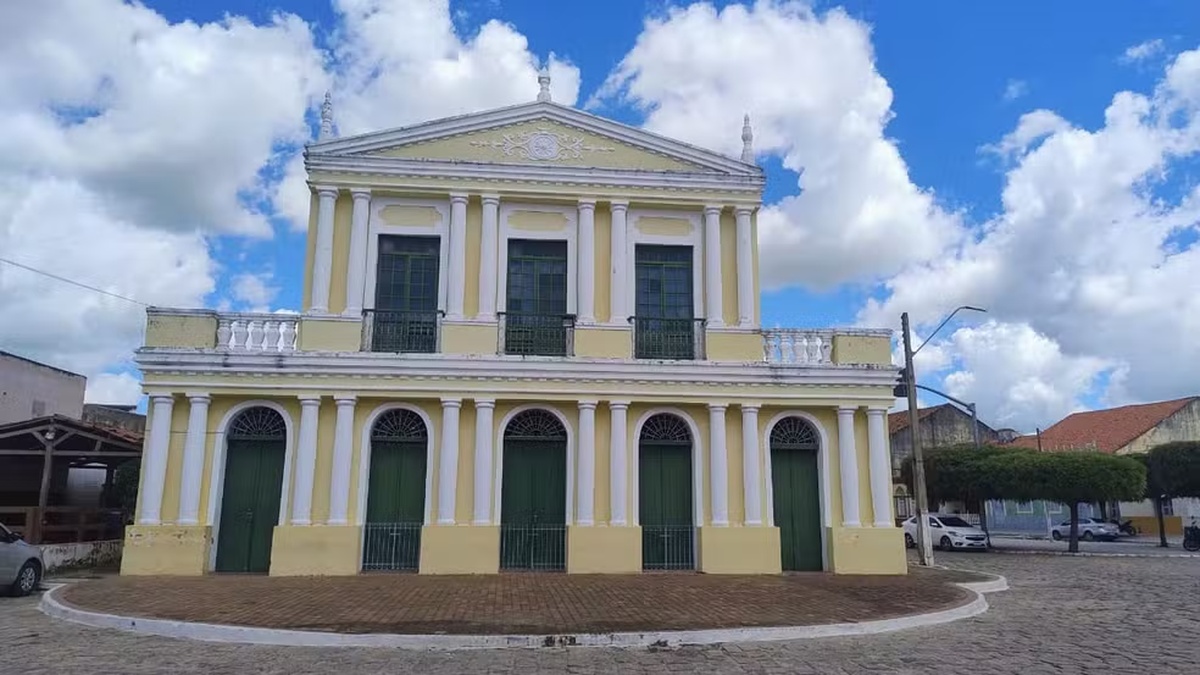
Additionally, many buildings maintain original characteristics of Brazilian colonial architecture. Highlights include historical facades, crafted wooden doors, windows with Portuguese influence, and streets that preserve urban features from centuries ago.
Therefore, walking through the city’s historic center is considered an experience that allows one to visualize an important part of the cultural and economic formation of Ceará.
Heritage includes churches, mansions, and cultural spaces
Among the most well-known buildings in Icó are historic churches, commercial townhouses, and constructions linked to the city’s period of greatest economic prosperity.
Additionally, several properties are still in use today. Some function as residences, while others house public agencies, commercial establishments, and spaces dedicated to culture.
Thus, preservation is not limited to the physical conservation of buildings. It also helps keep the population’s connection with their own history alive.
Listing helps protect local memory
Heritage listing establishes rules for renovations and interventions in historic properties. Thus, changes that could compromise the original characteristics of the constructions must follow specific technical criteria.
Furthermore, the protection aims to ensure that future generations can learn about the architecture, customs, and historical processes that contributed to the city’s formation.
For this reason, cultural preservation agencies constantly monitor the conditions of protected properties.
Historical tourism strengthens the economy
The architectural heritage also generates positive impacts for the local economy.
Moreover, visitors interested in culture and history boost hotels, restaurants, shops, and tourist services in the region. As a result, the preservation of the historic center contributes both to cultural appreciation and to the economic development of the municipality.
In this context, Icó stands out as one of the main historical tourism destinations in Ceará.
City maintains legacy of more than three centuries
Elevated to the category of village in 1738, Icó has a trajectory directly linked to the development of the interior of Ceará. Over the centuries, the city has preserved a significant part of its urban heritage, something increasingly rare in Brazilian historical centers.
Furthermore, the set of listed properties allows us to understand how merchants, religious figures, and residents lived during the colonial and imperial periods.
Finally, the preservation of more than 400 historical buildings reinforces the importance of Icó for the cultural memory of Ceará and for the history of Brazil.






Be the first to react!