






 Portuguese
  Spanish


Brazilian student creates solution for recycling World Cup sticker paper and prevents difficult-to-reuse waste from ending up in landfills.
Completing football albums is a tradition for millions of Brazilians, especially during major competitions. However, along with the fun comes a little-known waste: the sticker paper that protects the stickers before applying them to the album. This material, called liner, is usually not accepted by conventional recycling cooperatives and ends up being sent to landfills.
It was precisely by observing this problem that Brazilian student Samuel Florêncio de Brito, 15 years old, a student at Sesi in Ribeirão Preto (SP), created the Recicla Liner project. According to an article published by G1 on June 14, the initiative proposes the collection and proper disposal of this waste, allowing it to be reused by a specialized company. The project shows how a simple idea can generate concrete environmental benefits and inspire other schools across the country.
How a Brazilian student turned an ignored waste into a sustainable solution
Samuel realized that most people discarded the liner without knowing that it required special treatment. Unlike regular paper, this material has a silicone layer that facilitates the removal of the stickers.
-
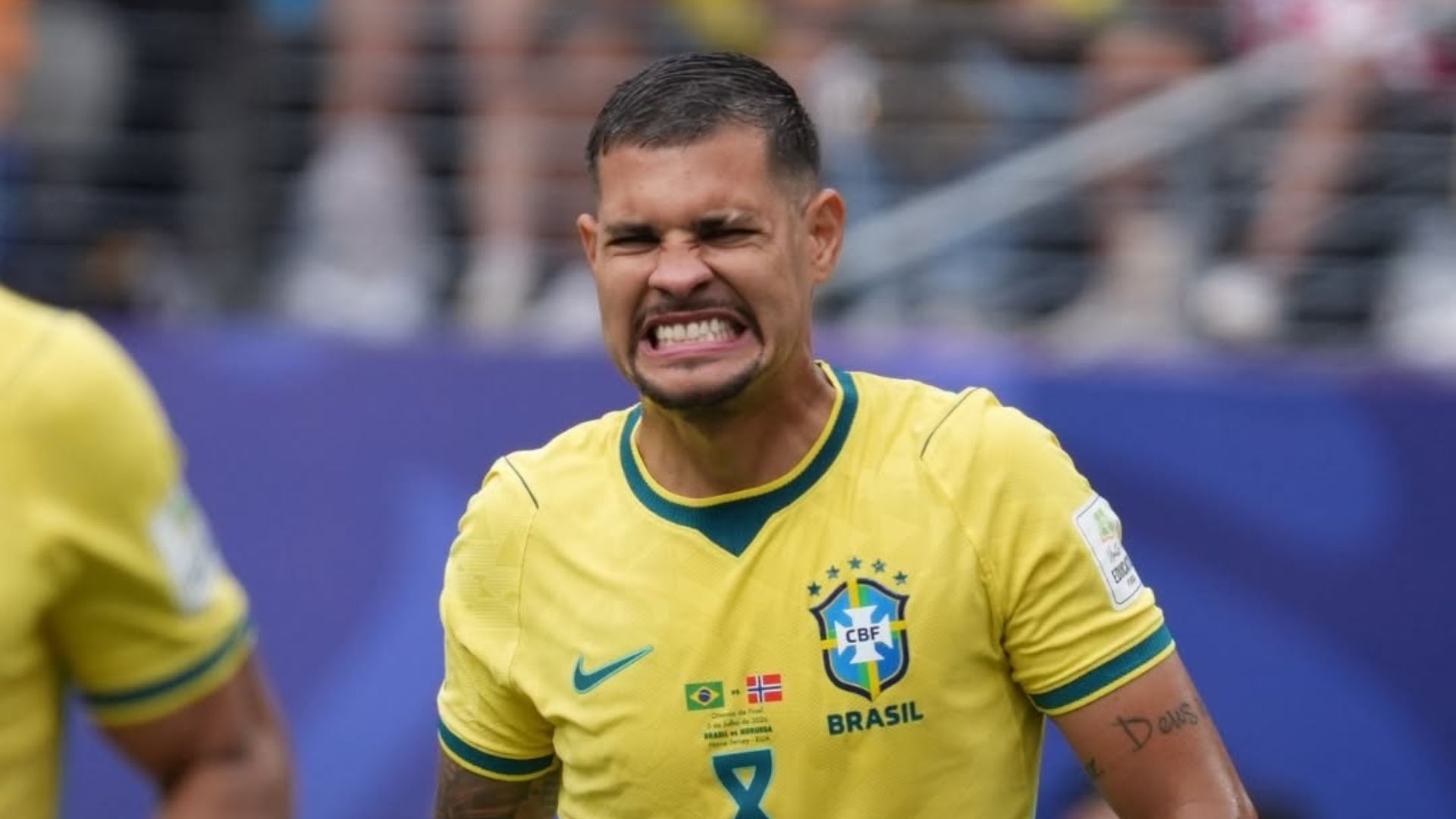
Bruno Guimarães, 28, Misses Crucial Penalty Against Norway in World Cup After Replacing Vinicius Jr.

-
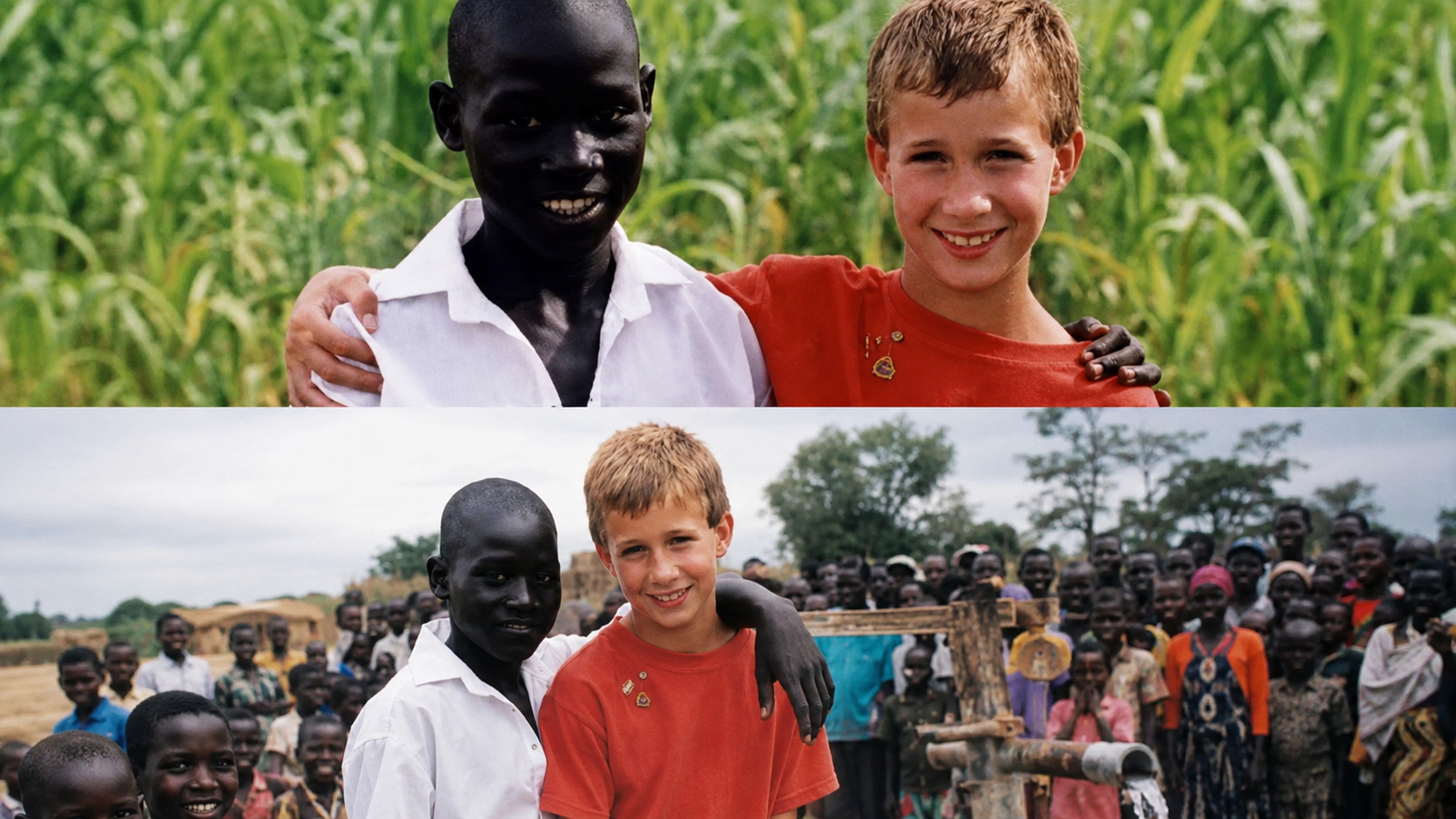
Inspired by a school lesson on Africa’s water crisis, a young boy raised money through chores to fund a well that transformed a Ugandan community.

-
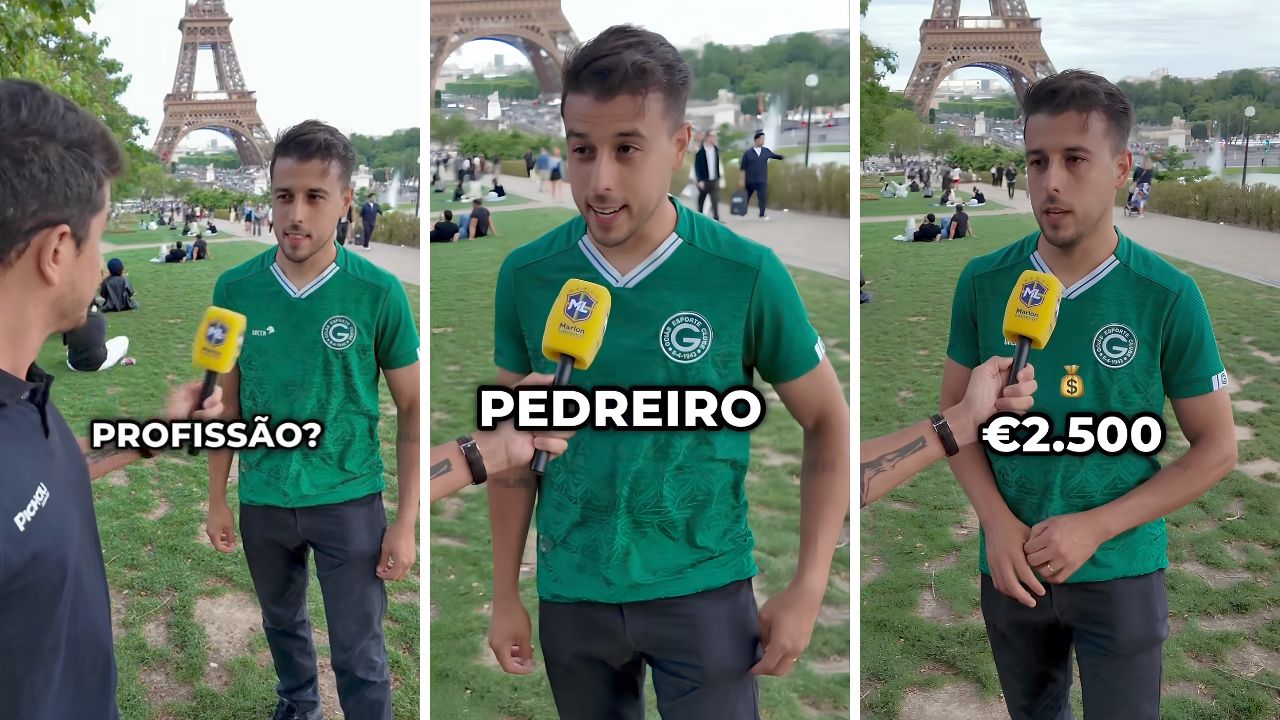
Brazilian Construction Worker Moves to France, Earns Up to €2,500 Monthly with Home Renovations, Gains Social Media Attention

-
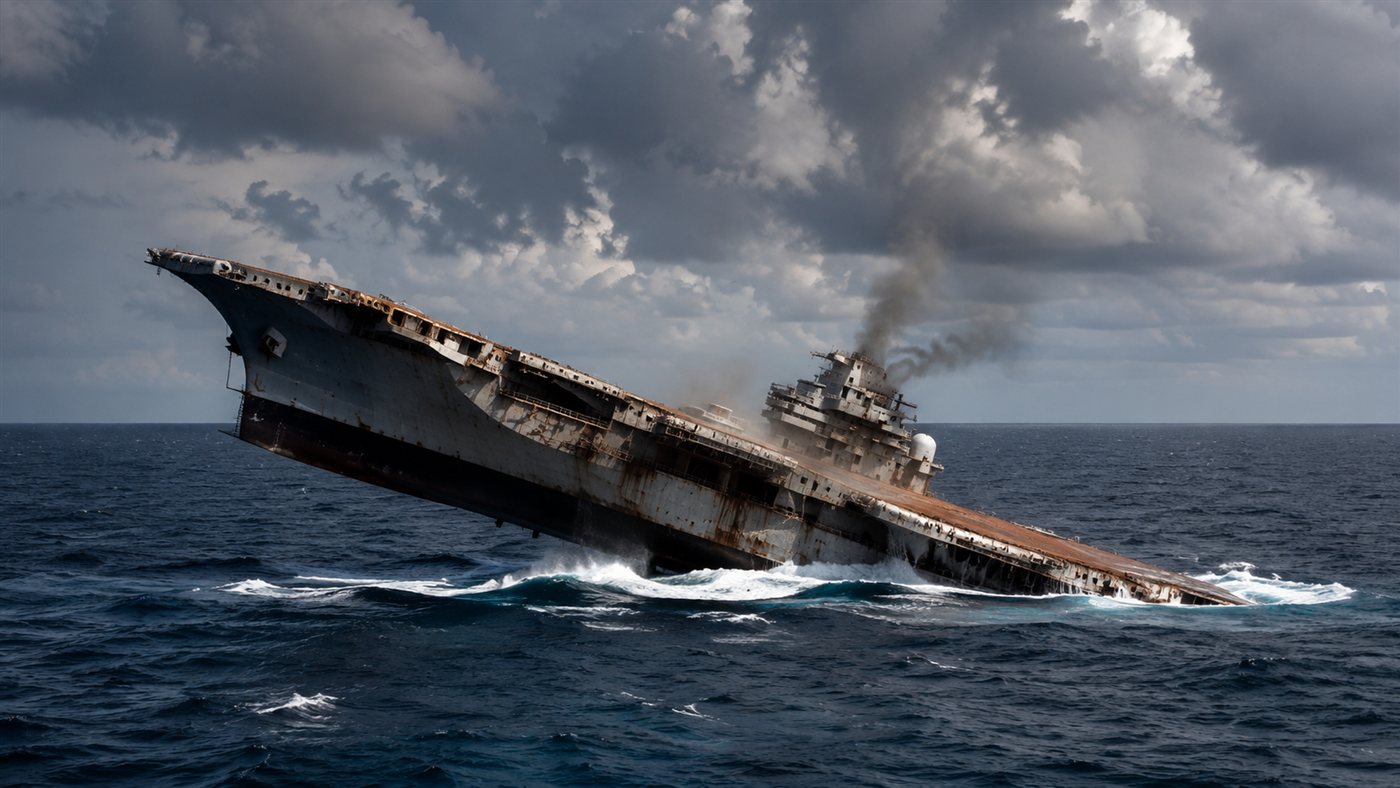
US Navy Sinks USS Oriskany with 230 kg of C-4, Creating World’s Largest Artificial Reef in 37 Minutes

By researching the topic, the Brazilian student discovered that the component is not usually accepted in conventional recycling systems. This causes large volumes to end up accumulated in landfills or be improperly discarded.
The discovery served as a starting point for creating a practical alternative within the school environment.
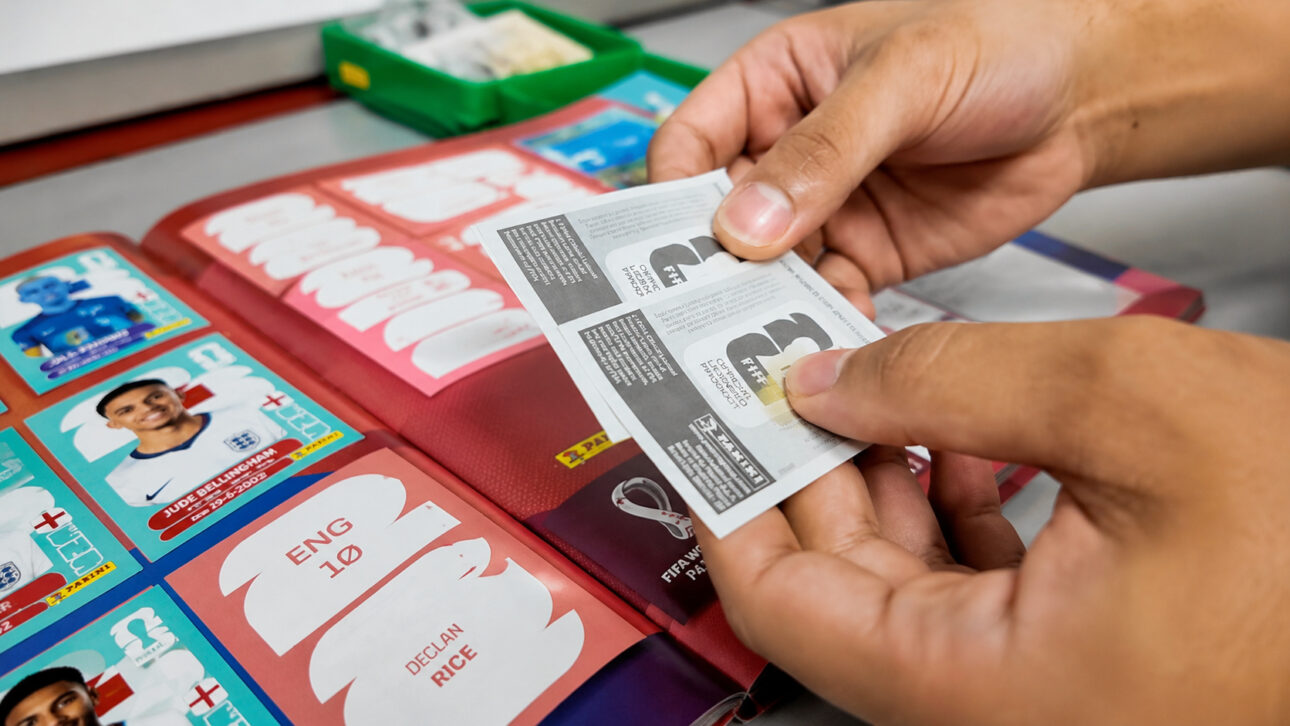
The volume generated by sticker paper during the World Cups
The problem gains relevance when observing the amount of material discarded. According to information gathered by the project, a single album requires 980 stickers to be completed.
Each sticker generates a piece of sticker paper that is usually thrown away. When this number is multiplied by the millions of albums sold during major sporting events, the result is a huge volume of waste.
Among the main challenges are:
- Lack of knowledge about proper disposal;
- Low acceptance of the material in cooperatives;
- Accumulation in landfills;
- Possible improper disposal in public roads and natural areas.
Although it is a small waste individually, its collective impact can be significant.


Why do World Cup stickers generate a material that is difficult to recycle?
Many people believe that the liner is just regular paper. However, its composition presents characteristics that make traditional recycling difficult.
The silicone applied to the surface creates a barrier that hinders the conventional processing used by most Brazilian cooperatives. For this reason, the material needs to go through specific separation stages before returning to the production chain.
According to Ailton Alves, responsible for the company that receives the shipments collected by the project, improper disposal should be avoided precisely because the material does not degrade in the same way as regular paper.
This scenario reinforces the need to expand initiatives focused on specialized recycling.

Technology allows recovery of sticker paper fibers
After collection, the material goes from Ribeirão Preto to Guarulhos, where it undergoes a specific industrial process.
The technology used can separate the silicone from the cellulose fibers present in the sticker paper. After that, the recovered raw material can return to the production cycle without compromising the quality of the final product.
This model brings important benefits to the circular economy, reducing waste and utilizing resources that would normally be discarded.
Among the advantages of the process are:
- Recovery of cellulose fibers;
- Reduction of waste sent to landfills;
- Reuse of raw materials;
- Encouragement of the circular economy.
The proposal shows that even waste considered problematic can gain new utility when there is appropriate technology.
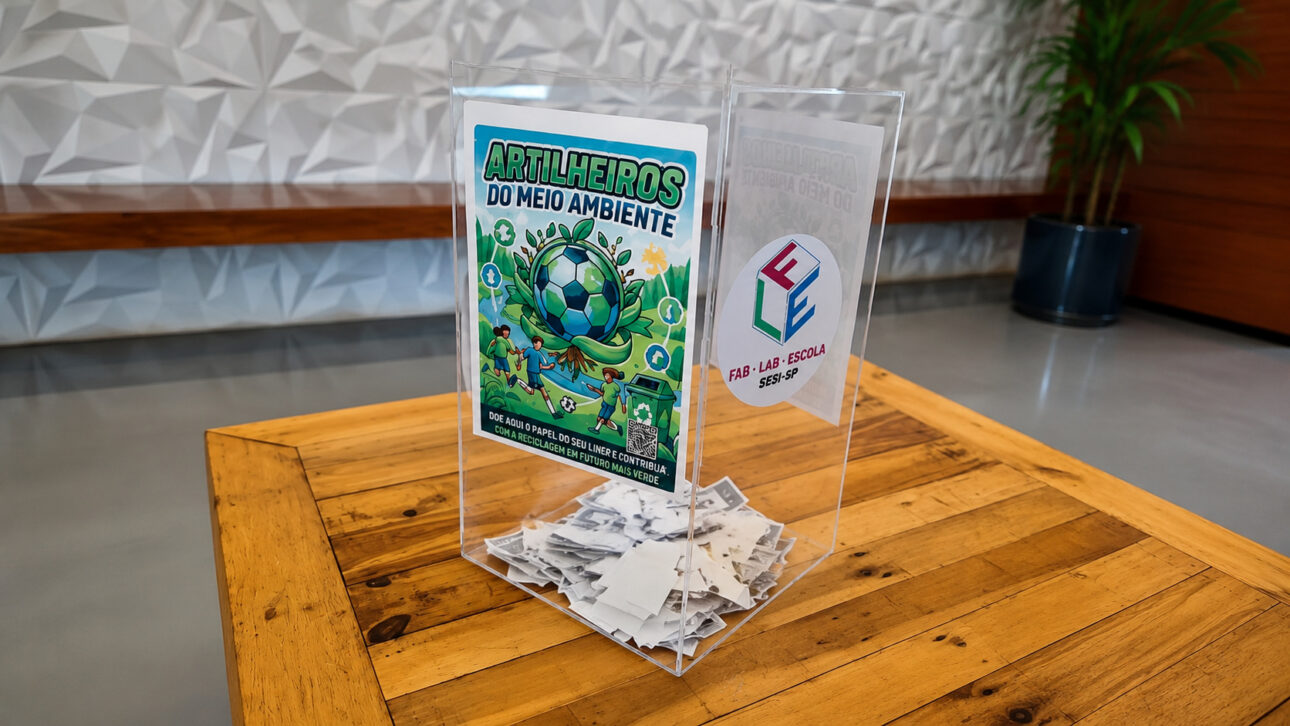
Brazilian student creates collection points within the school
To turn the idea into reality, Samuel relied on the support of the institution’s digital fabrication laboratory.
Using a laser cutting machine and recyclable materials, the Brazilian student designed and assembled specific boxes to receive the material discarded by classmates.
Laboratory technician Yuri Henrique assisted in the manufacturing process and highlighted the student’s involvement in building the solution.
The boxes were placed in common areas, facilitating disposal right after opening the World Cup sticker packs.
This strategy made student participation simpler and helped increase adherence to the project.
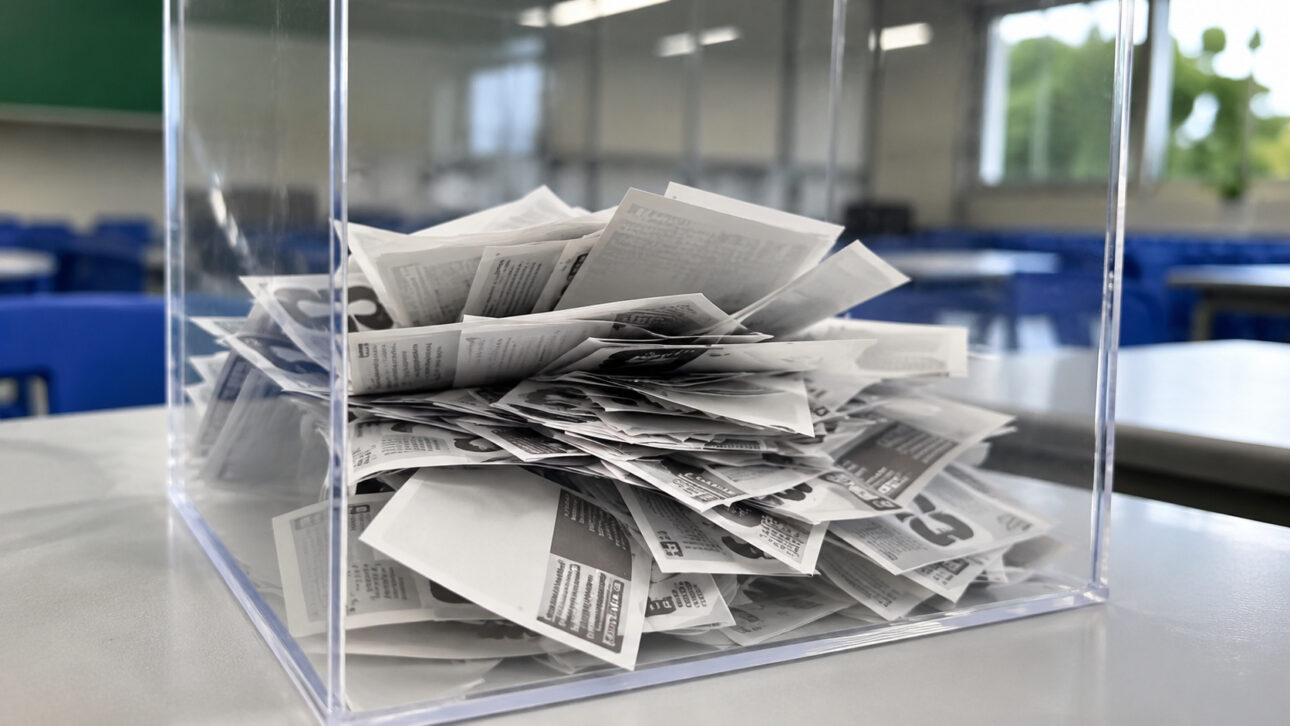
Environmental education strengthens the culture of recycling among young people
More than collecting waste, the initiative seeks to raise students’ awareness about the importance of proper material disposal.
The current stage of the project includes educational campaigns aimed at explaining that the liner should not be treated as regular waste. The intention is to create sustainable habits that can be maintained throughout life.
The digital education advisor Fabrício Andrade highlighted that the initiative serves as an example for the entire school community, demonstrating that young people can also lead positive changes.
This combination of knowledge and practical action expands the reach of the proposal and strengthens the culture of recycling.
World Cup Stickers Can Boost New Projects in Brazilian Schools
One of the most interesting points of the initiative is its potential for expansion.
The urns have a low production cost, while the transportation of the material can be carried out by transport companies or by the Post Office. Depending on the volume collected, there is also the possibility of direct collection by the recycling company.
This increases the chances that other school units will adopt the same model.
If the proposal is replicated, more students will be able to participate in actions related to sustainability and the correct disposal of special waste.
A Small Idea with the Potential to Create Big Changes
The Recicla Liner project shows that relevant environmental solutions can arise from observing everyday problems. By identifying an inadequate destination for sticker paper, Samuel created an initiative capable of reducing waste and increasing environmental awareness.
In addition to preventing materials from being sent to landfills, the project encourages recycling, strengthens the circular economy, and demonstrates the transformative role of education.
The journey of the Brazilian student reinforces that innovation does not depend solely on large investments. Often, it starts with a simple question and the willingness to find an answer that can benefit the entire society.





