Portuguese
  Spanish


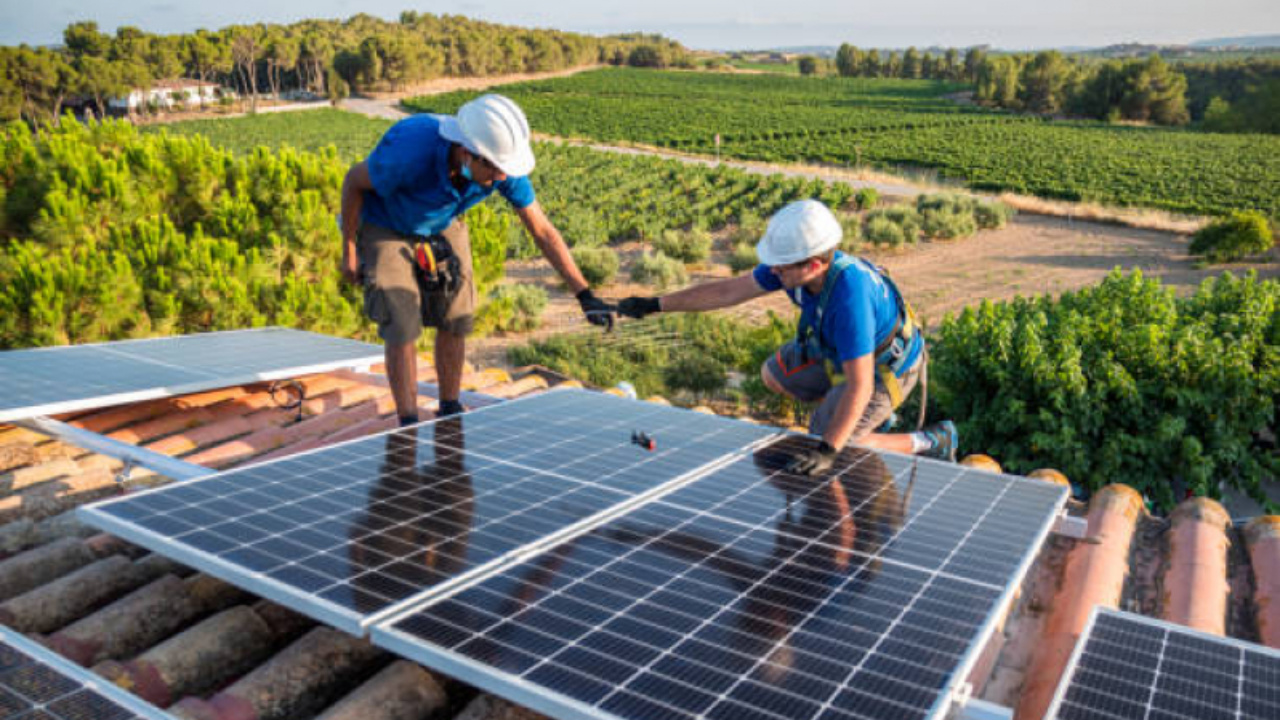

The Installation Of Solar Energy Can Reduce Not Only The Electricity Bill But Also Municipal Taxes Such As IPTU, ITBI, And ISS. See How Brazilian Cities Are Granting Discounts And Who Can Apply.
The installation of solar energy is no longer just an alternative to reduce the monthly electricity bill. In several Brazilian cities, properties with photovoltaic systems already guarantee significant discounts on municipal taxes, especially on IPTU. In some cases, the discounts reach up to 50%.
This movement is part of public policies aimed at urban sustainability. In practice, municipalities use tax incentives to stimulate the generation of clean energy and reduce greenhouse gas emissions.
Thus, those who invest in solar energy can be rewarded not only with monthly savings but also with tax advantages.
-
Island in Brazil Innovates by Installing 184 Solar Panels on Urban Lagoon to Generate Clean Energy

-
Japanese Island of 417 Residents to Test Living Half the Year Solely on Solar Power, Reducing Dependence on Diesel Brought by Ship
-
Brazilian Fishermen Use Solar Power to Produce Nearly One Ton of Ice Daily, Preventing Fish Spoilage Before Reaching Market
-
Brazil, known for its river-powered energy, installs solar plant in mountains to boost winter electricity production


However, since there is no standardized national rule, many property owners are not even aware that they can apply for the benefit.
Programs Vary And Require Formal Application
Incentives related to solar energy depend on municipal regulations. In some cities, there are specific programs for those who generate their own energy. In others, the installation of solar panels is just one of the criteria within broader initiatives, such as the so-called “Green IPTU.”
In addition to photovoltaic generation, these programs typically evaluate measures such as rainwater harvesting, green roofs, natural ventilation, and water reuse. The greater the number of sustainable practices adopted, the larger the discount tends to be.
However, the benefit is not automatic. The taxpayer needs to formalize the request and provide technical documentation. In many cases, the municipality conducts an analysis before granting the discount.
Palmas Leads With Specific Program For Solar Energy
In Palmas (TO), the Palmas Solar Program grants tax incentives for those who use solar energy. Discounts can reach up to 40% on IPTU and ITBI, and 50% on ISSQN, depending on legal requirements.
Established by Complementary Law No. 327/2015 and regulated by Municipal Decree No. 1,506/2017, the program already serves over a thousand taxpayers. However, it is necessary to annually demonstrate that the system is still operating.
In Guarulhos (SP), the installation of photovoltaic systems earns points in the Green IPTU program. The discount varies according to the number of sustainable solutions adopted in the property.
In Salvador (BA), the discount is progressive and depends on the environmental performance of the building. The more sustainable practices integrated, the greater the reduction applied to the tax.

Curitiba (PR) follows a similar approach. The municipality evaluates energy consumption, thermal performance, and water management before granting the benefit. Belo Horizonte (MG) also includes solar energy among the criteria for discounts on IPTU, as long as the owner proves the maintenance of the implemented solutions.
Savings Can Be Dual — And Significant
In addition to tax discounts, solar energy can reduce the electricity bill by up to 90%, depending on the system’s size. Thus, the financial impact can be dual: monthly savings and tax reduction.
Still, many Brazilians are unaware of these incentives. To check if there are active programs, it is recommended to consult the municipality’s website, search terms like “Green IPTU” or “solar energy incentive” along with the name of the municipality, or contact the local Finance Department.
Does your city already offer a discount on IPTU for those who invest in solar energy?