






 Portuguese
  Spanish


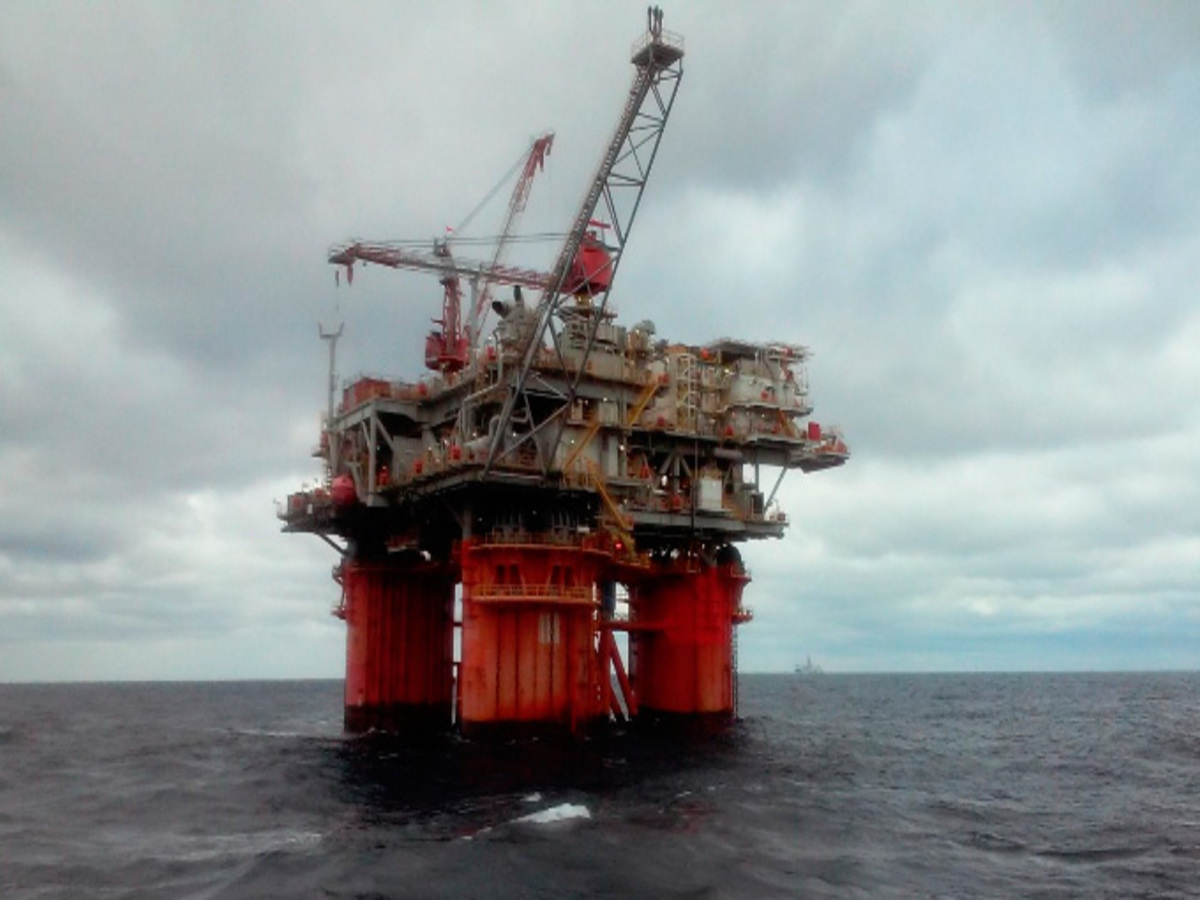

In An Increasingly Connected World, Petrobras Profits And Brazilians Suffer From China’s Demand For Oil – The State-Owned Company Sells The Barrel At Commodity Prices And Charges Brazilians High Prices For Diesel And Gasoline.
According to data revealed by the General Administration of Customs, on Thursday, June 9, it is estimated that China’s oil imports showed a 12% increase compared to the same period in 2021. This directly impacts commodities and the Brazilian economy, especially regarding Petrobras, which has had since 2016 the authorization of the Temer government to adjust its prices according to the external market and pass them on to Brazilians. According to the state-owned company, fuel prices are “outdated by double digits” and the President of the Republic, Jair Bolsonaro, is fighting to control the variations by suggesting a decrease in state ICMS taxes.
According to Reuters, in an exclusive report, China would be one of the largest oil importers in the world, exceeding the mark of 45 million tons during the month of May, which corresponds to more than 10.79 million barrels per day, a figure that is higher than in 2021 during the same period, with an average import of 10.3 million barrels per day. Meanwhile, the country’s imports during January saw a decrease of 1.7% compared to the same period in 2021, but nevertheless, exceeded 200 million tons brought from abroad to the domestic market.
Refinery Operations Have Recovered After Sharp Drops In March And April, Currently, Brent Is Priced With A 65% Increase At US$ 122 Per Barrel. Are The Chinese Reconsidering To The Russians?


One hypothesis raised regarding the increase in Chinese imports even amid a global economic crisis due to oil prices, which have accumulated 65% in a year, is that the Chinese and Indians are sending a portion of what they buy to the Russians, who have suffered from the trade sanctions imposed by the Americans.
-
Brazilian Startup Turns Coffee Grounds into Plant-Based Leather, Cutting Water Use by Over 50 Times for High-Impact Sustainable Fashion

-
Eco Invest Auction Aims to Unlock $10 Billion in Investments, Focusing on Green Fertilizers, Critical Minerals, Batteries, and AI for Clean Industry in Brazil

-
Half of Brazilians Prefer Lower Taxes with Private Health and Education, While 44% Opt for Higher Taxes for State-Provided Services, Datafolha Survey Reveals

-
Brazil’s Most Expensive Toll Rises to R$ 40.60 on Route from São Paulo to the Coast, Nearly Matching Bus Fare to Santos




The increases have been greater than expected, as during March and April, the refining and oil purchasing sectors faced high inflation. The Chinese commodity consultancy JLC, however, claims that they are in a state of recovery from Covid-19 and that more than 60% of all refineries are already back in operation.
Stocks Reach The Highest Level Since July 2021
Vortexa Analytics states that oil stocks in China are at one of the highest rates since 2021. By the end of March, they already accounted for more than 920 million barrels, which would be enough for processing operations for at least two months at Chinese refineries. Meanwhile, exports of refined and derivative oil products saw a 40% drop in May, indicating that the country needs to consume a lot and has no interest in selling a large portion of what is produced.
With high consumption coming from China and instability regarding the war between Russia and Ukraine, it is estimated that the impacts will soon fall on the Brazilian economy, leading to new price increases from Petrobras.
In compensation, it is worth mentioning that China saw a decrease in its natural gas imports, which fell by 9% in the first five months of the year. LNG is down by 19%.








