Portuguese
  Spanish


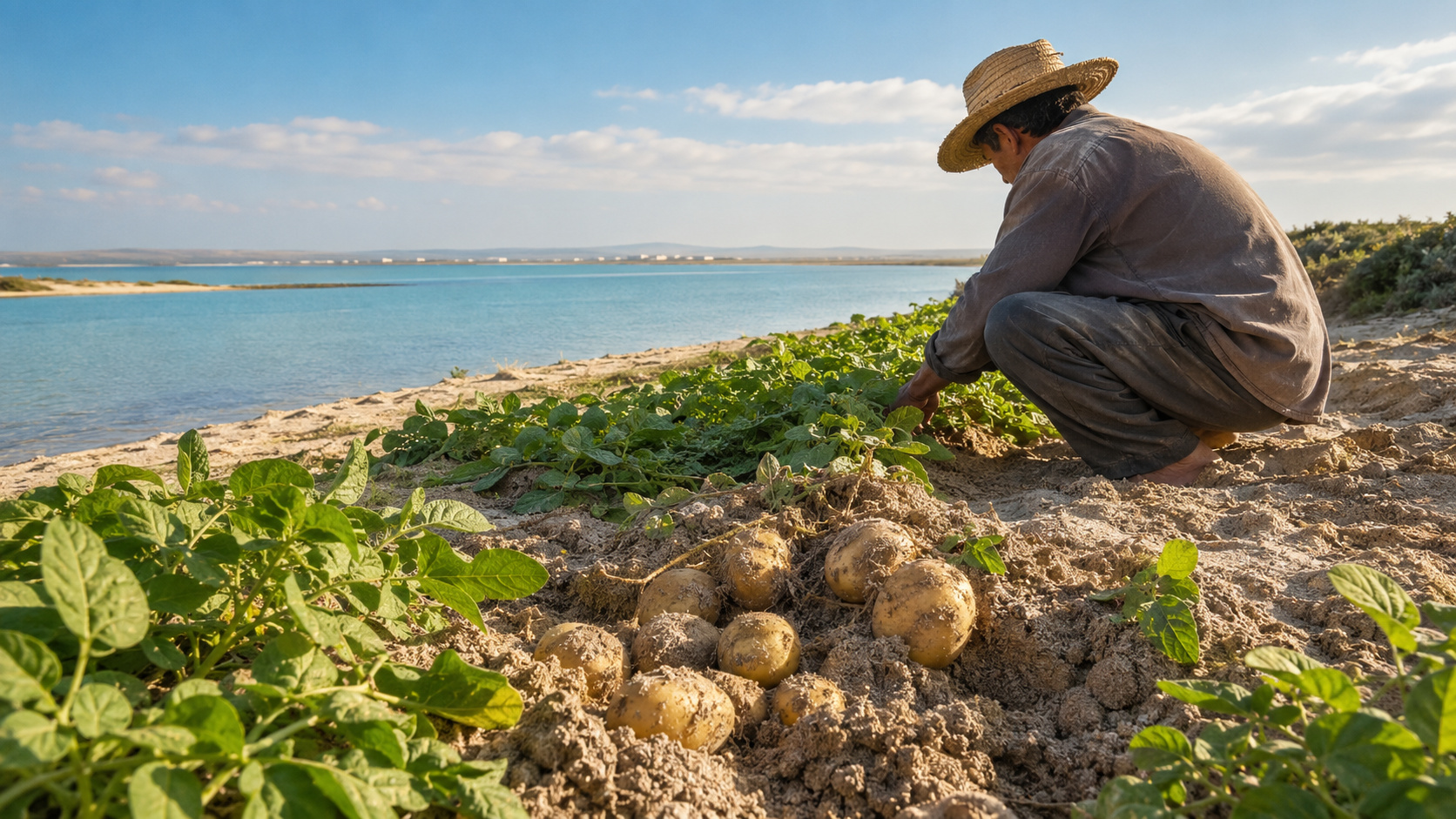

In the lagoon of Ghar El Melh, the Ramli agricultural system utilizes an underground reserve of fresh water to irrigate potatoes, onions, and beans planted in the sand. Created in the 17th century, the technique requires no pumps but demands precise soil control to prevent salt from reaching the roots.
Farmers in Tunisia plant potatoes on sand surrounded by saltwater and harvest up to 30 tons per hectare. The result comes from a technique that transforms rain and tides into a natural irrigation system.
The roots do not receive seawater. They reach a thin underground reserve of fresh water, formed by rain and maintained above the saltwater due to the difference in density.
The information was published by the FAO, the United Nations agency for food and agriculture. The entity presents the Ramli system as a form of production adapted to the lack of fertile land and the low availability of fresh water.
-
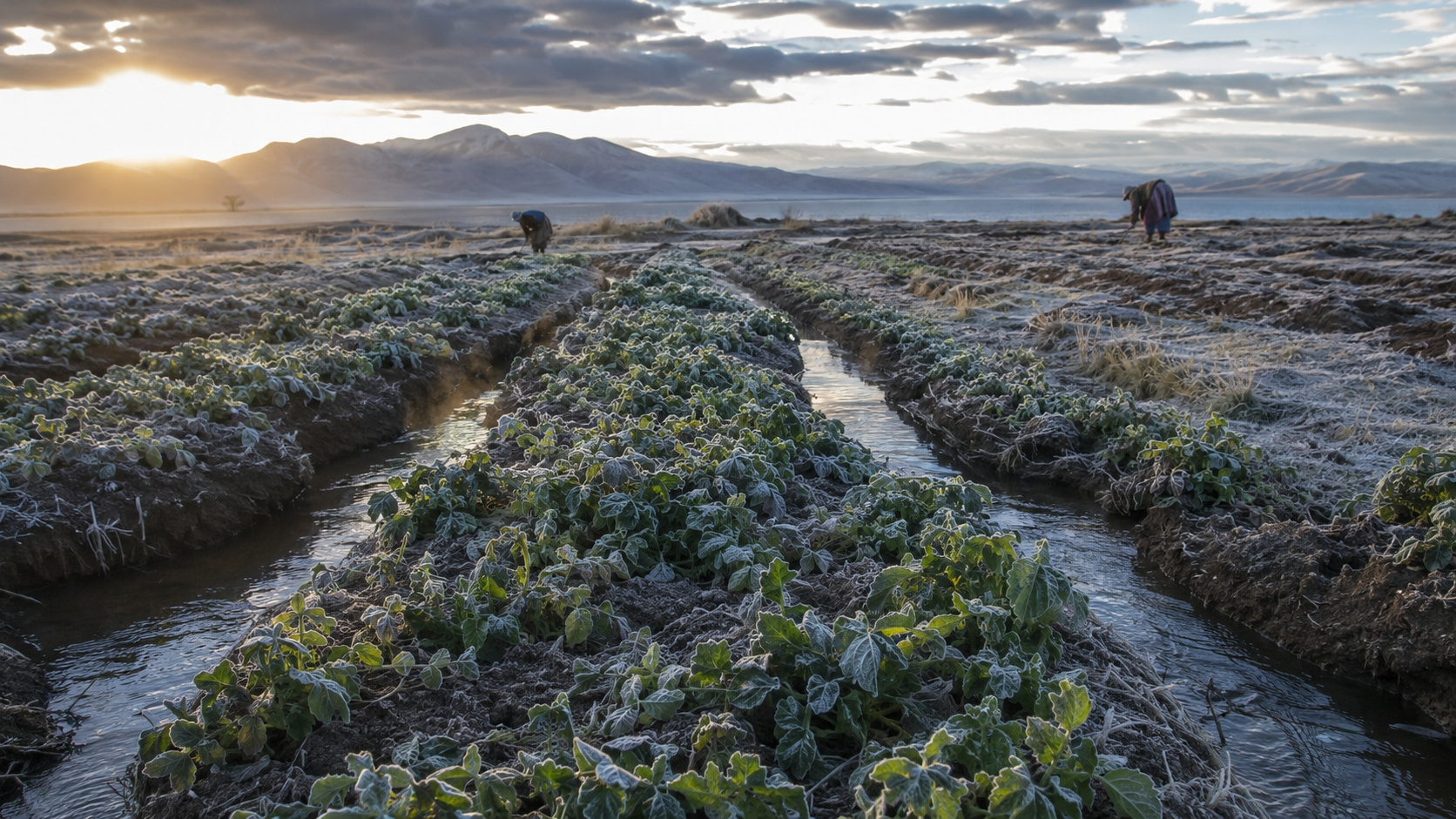
Without industrial fertilizers or pesticides, farmers in Peru are reclaiming 3,000-year-old fields that use water to warm crops during frosty nights at an altitude of 3,800 meters.

-
While imposing a 25% tariff on Brazilian products, the Trump administration is visiting 9 cities in Brazil to convince companies to open operations in the US and turn commercial pressure into an offensive to attract investments, factories, and branches to the American market.

-
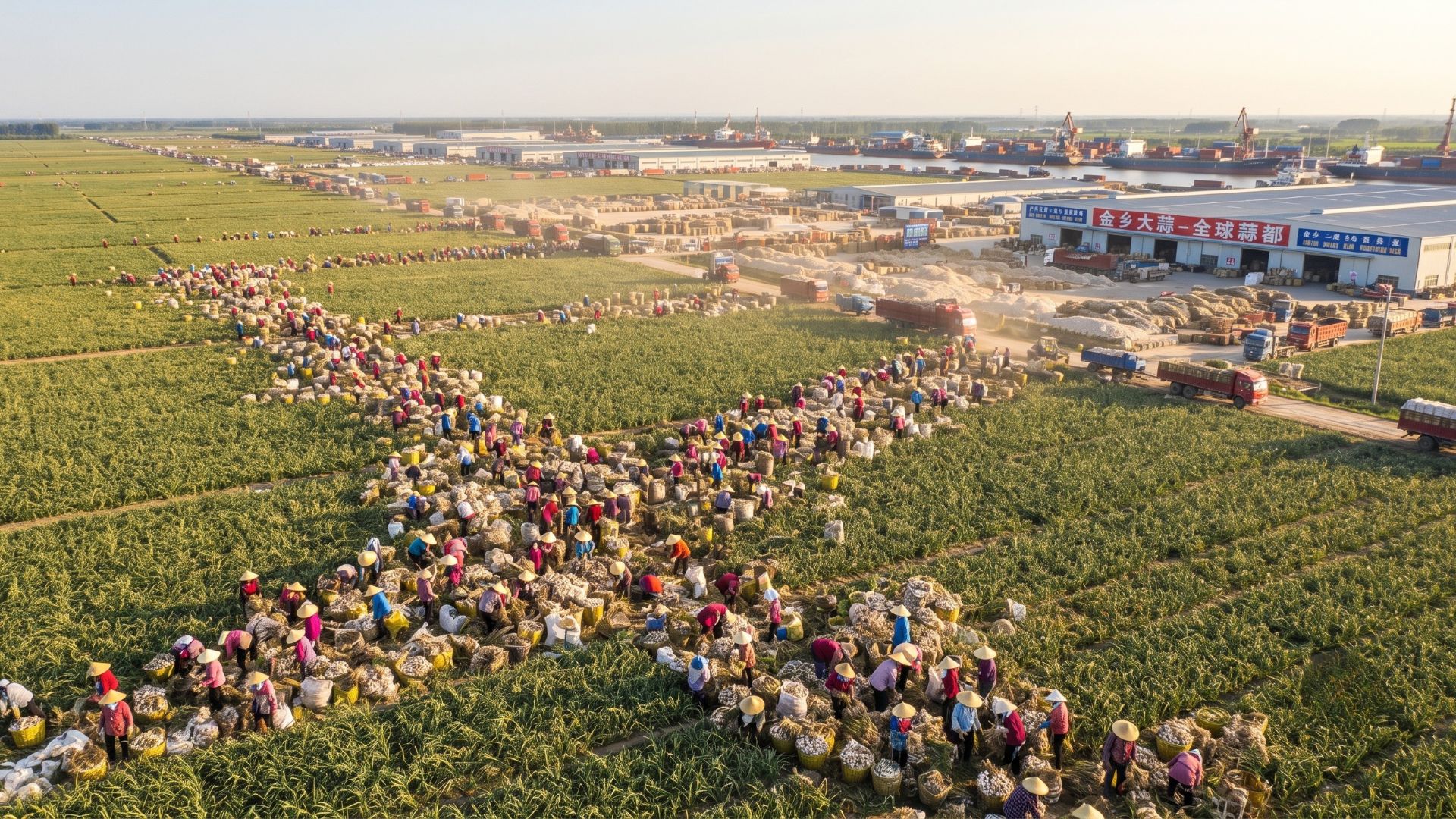
Garlic Empire: China produces 21.3 million tons per year, harvests 58 thousand tons per day, and controls 73% of all garlic consumed on the planet.

-
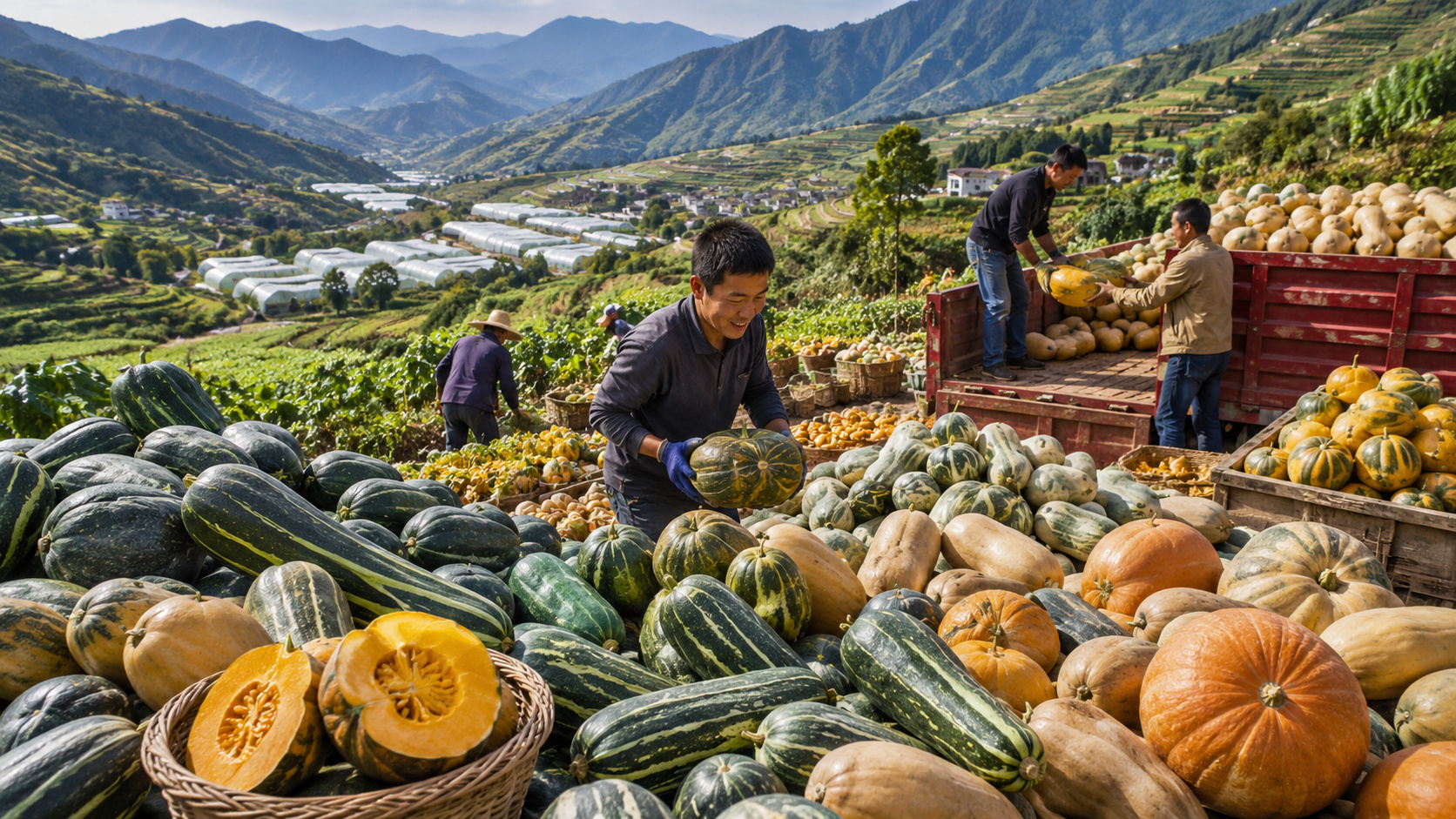
China harvests 7.37 million tons of pumpkins, zucchinis, and gourds in a single year, dominates 31.2% of global production, and transforms mountainous areas into export hubs.

Fresh water stays above the salty and nourishes the roots
Rainwater enters the sand and forms an underground reserve. As it is less dense, the fresh water remains above the salty layer connected to the lagoon and the sea.
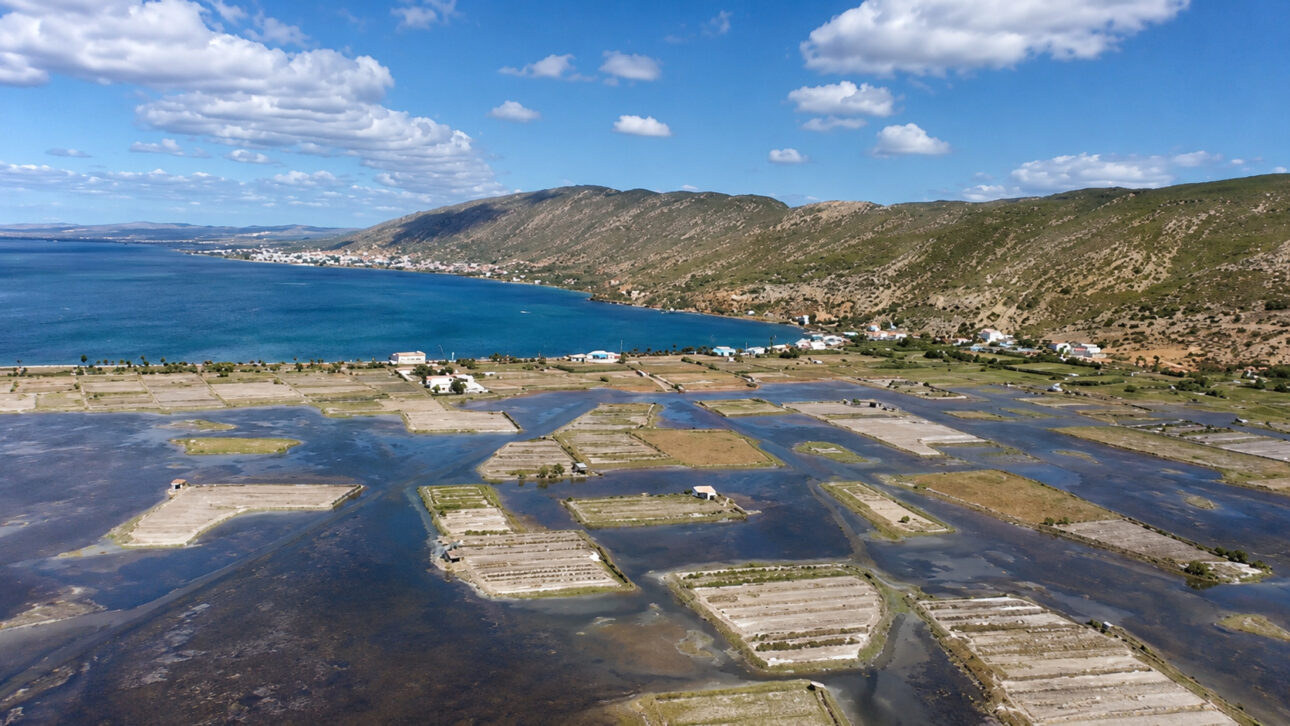
This reserve does not appear as a river, canal, or pool on the surface. It is hidden among the grains of sand, close to the region reached by the roots.
When the tide changes level, the water existing below the plantations also moves. This process makes the fresh water rise through the sand and keeps the soil moist without artificial pumping.
Natural irrigation depends on the combination of rain, sand, and tide. Therefore, farmers do not need to apply water directly to each plantation.
An error in the height of the bed can compromise production
The Ramli system requires constant care with the height of the plots. The bed cannot be too far from the freshwater reserve nor too close to the saltwater.
When the land is too high, the roots do not reach the necessary moisture. When it is too low, the salt can reach the plants and harm the cultivation.
Farmers adjust the level of the plots by adding sand and animal manure. This work keeps the roots within the appropriate range to receive freshwater.
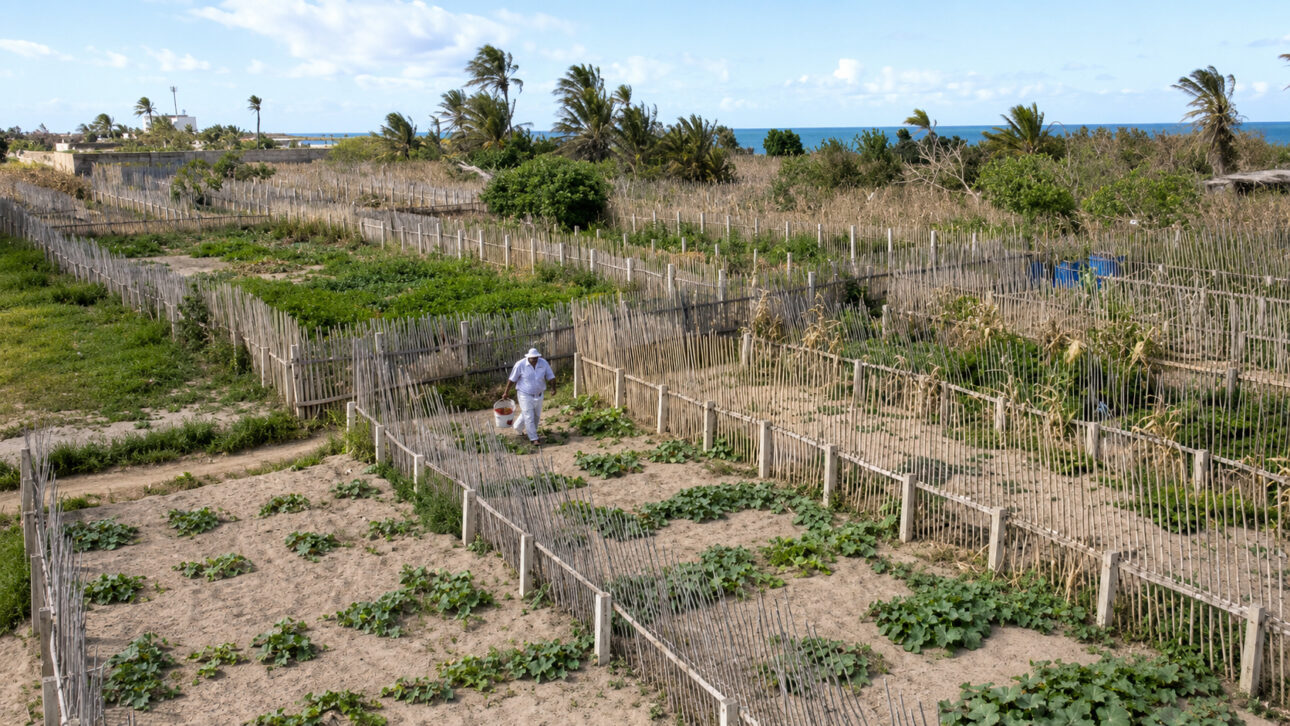
Drains also help remove excess water in coastal areas. Barriers of reeds, trees, and shrubs reduce the force of the winds, hold the sand, and protect the crops from saltwater carried by the air.
Potatoes reach 30 tons per hectare
The productivity shows the economic importance of Ramli agriculture for small producers in Ghar El Melh. Potatoes yield between 22 and 30 tons per hectare.
Onions reach between 28 and 33 tons per hectare. The yield of beans varies between 3.6 and 7 tons per hectare.
The FAO, the United Nations agency for food and agriculture, gathered the productivity data of the plots. The numbers show that planting in the sand can maintain significant production without artificial irrigation.
Potatoes, onions, and beans supply the local market. Tomatoes, garlic, melon, watermelon, zucchini, and squash are also cultivated.
Ramli System was created in the 17th century
The technique emerged in the 17th century, when communities from Andalusia arrived in a region with little land suitable for agriculture and limited freshwater supply.
Instead of trying to completely keep the sea away, farmers organized sandy plots on the shores and strips of land surrounding the lagoon. The cultivation began to use the natural position of freshwater over saltwater.
Production remains concentrated in small properties. 81% of the properties have less than five hectares, showing the system’s connection with local farmers.
The necessary knowledge involves observing the rain, monitoring the tide, and adjusting the level of the beds. Production depends both on the work on the soil and the natural conditions of the lagoon.
Sea Level Rise and Contamination Threaten Plantations
Ramli agriculture operates within a delicate environmental balance. The rise in sea level can bring saltwater closer to the roots and reduce the space occupied by the freshwater reserve.
Urbanization also pressures the cultivable areas near the lagoon. The occupation of these strips decreases the available space to maintain the sandy plots.
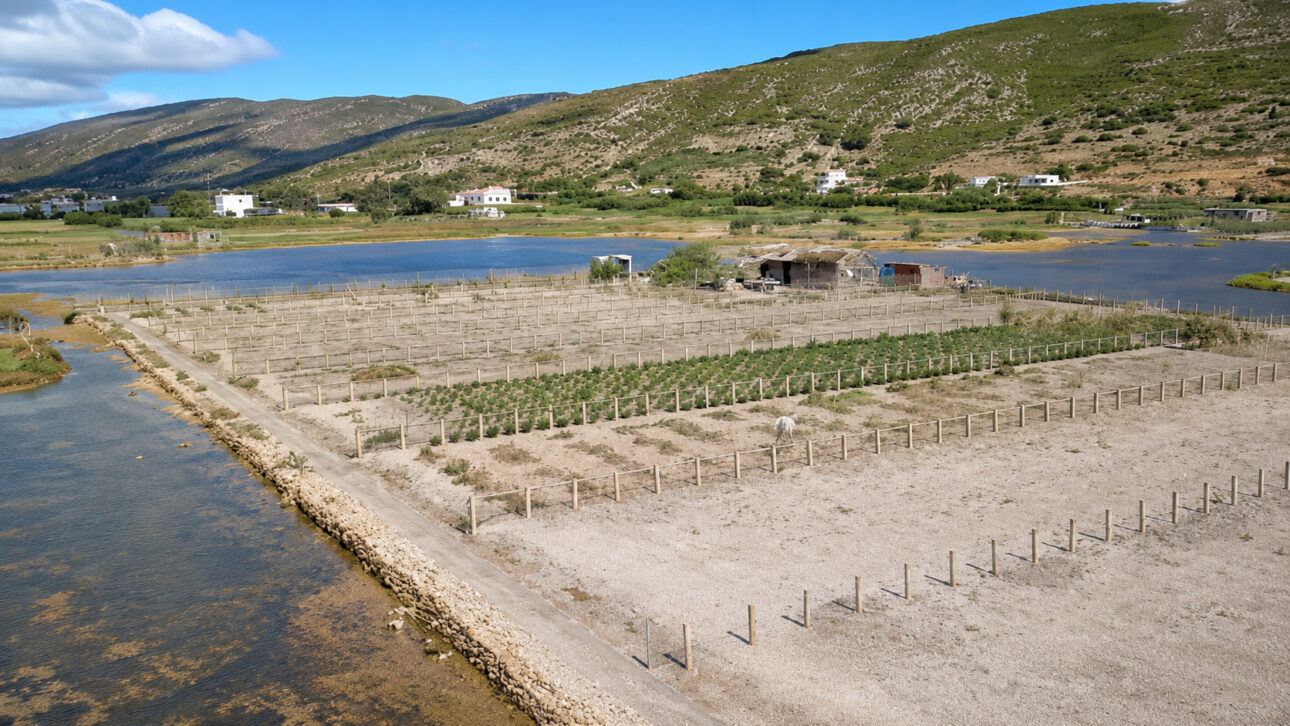
Another problem is the contamination of the lagoon. Since the water, soil, and plantations are connected, the loss of environmental quality can directly affect agricultural production.
The conservation of the region protects the food, the activity of the farmers, and the natural irrigation system itself. Without the preserved lagoon, the combination that keeps fresh water near the roots may lose efficiency.
Technique Cannot Be Applied on Any Beach
Planting in the sand is not enough to reproduce the Ramli system. The location needs to store rainwater over a salty layer and allow the tide to move this reserve to the root region.
The height of the terrain, the type of sand, and the position of the water need to work together. Outside these conditions, the roots may dry out or receive excess salt.
The system also depends on the knowledge accumulated by farmers since the 17th century. They adjust each plot to conserve moisture without allowing saltwater to compromise the plantation.
Ramli agriculture shows how a simple structure can maintain food production without pumps or artificial irrigation. At the same time, its continuity depends on the preservation of the lagoon and the precise control of the beds.
Could a technique so dependent on natural balance survive the advance of the sea and cities? Leave your opinion and share the publication.