Portuguese
  Spanish


In Laranja da Terra, in the mountainous region of Espírito Santo, Daniela Gurgel swapped Vitória for the countryside and transformed the loss-making bananas into jams and a smoked “banana barbecue.” From the frustration with the Ceasa price, a small rural industry was born, becoming a well-known brand in Espírito Santo.
Some see the countryside not as a limitation, but as an opportunity. According to the newspaper A Gazeta, this was the bet of Daniela Gurgel, who left city life and moved to the countryside, in the mountainous region of Espírito Santo, where she turned her frustration with banana farming into an innovative business of artisanal jams and sauces.
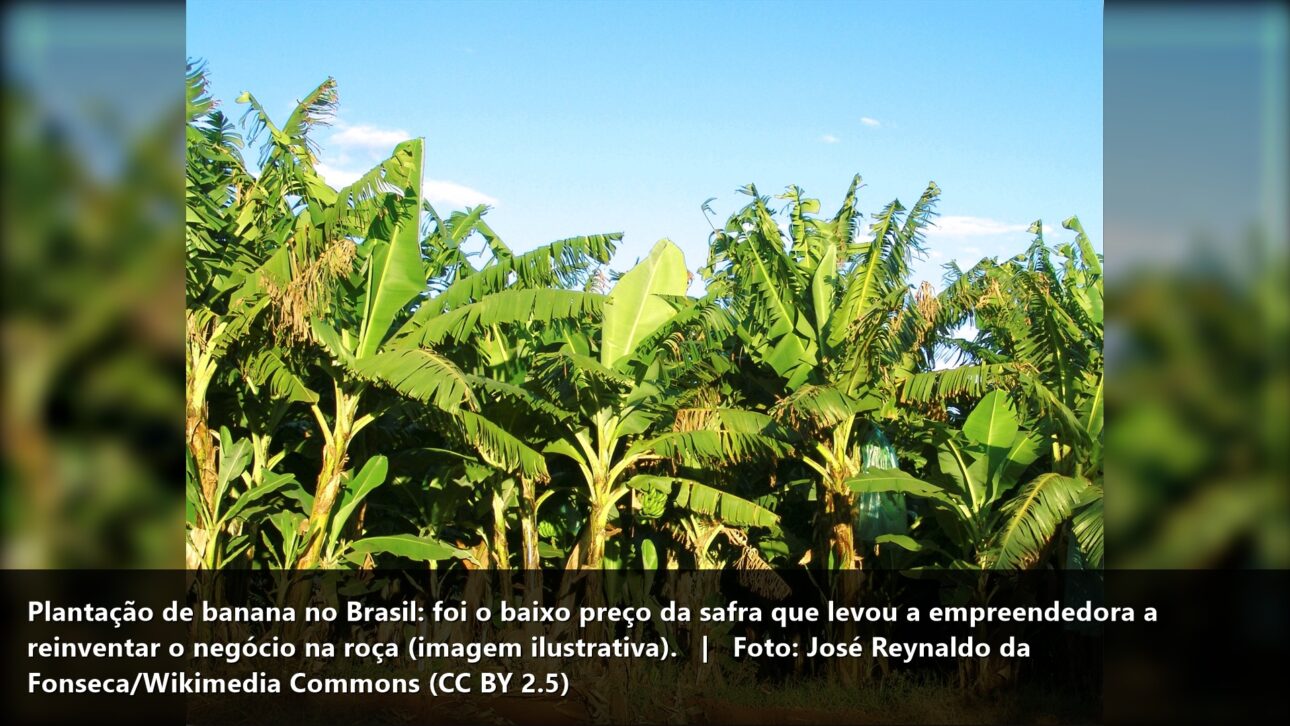
According to A Gazeta, the turnaround began with a loss. Alongside her husband, Thiago Delbone, Daniela planted bananas and saw the first harvest worth much less than expected. Instead of giving up, she decided to add value to the production, and that’s how the farm went from just planting to becoming a small agroindustry.
From the city to the countryside, in search of a more peaceful life
The couple’s story unites two worlds. Thiago inherited the land from his grandfather and, upon deciding to marry, said he wanted to live in the countryside. Daniela, originally from São Gabriel da Palha, had lived in Vitória since childhood, was trained in Social Work and Gastronomy, and worked in both fields.
-
She helped found one of the largest soybean companies in the world and today is among the biggest fortunes in the country: Lucia Maggi controls Amaggi, an agribusiness empire, and lives far from the luxury that her fortune could afford.

-
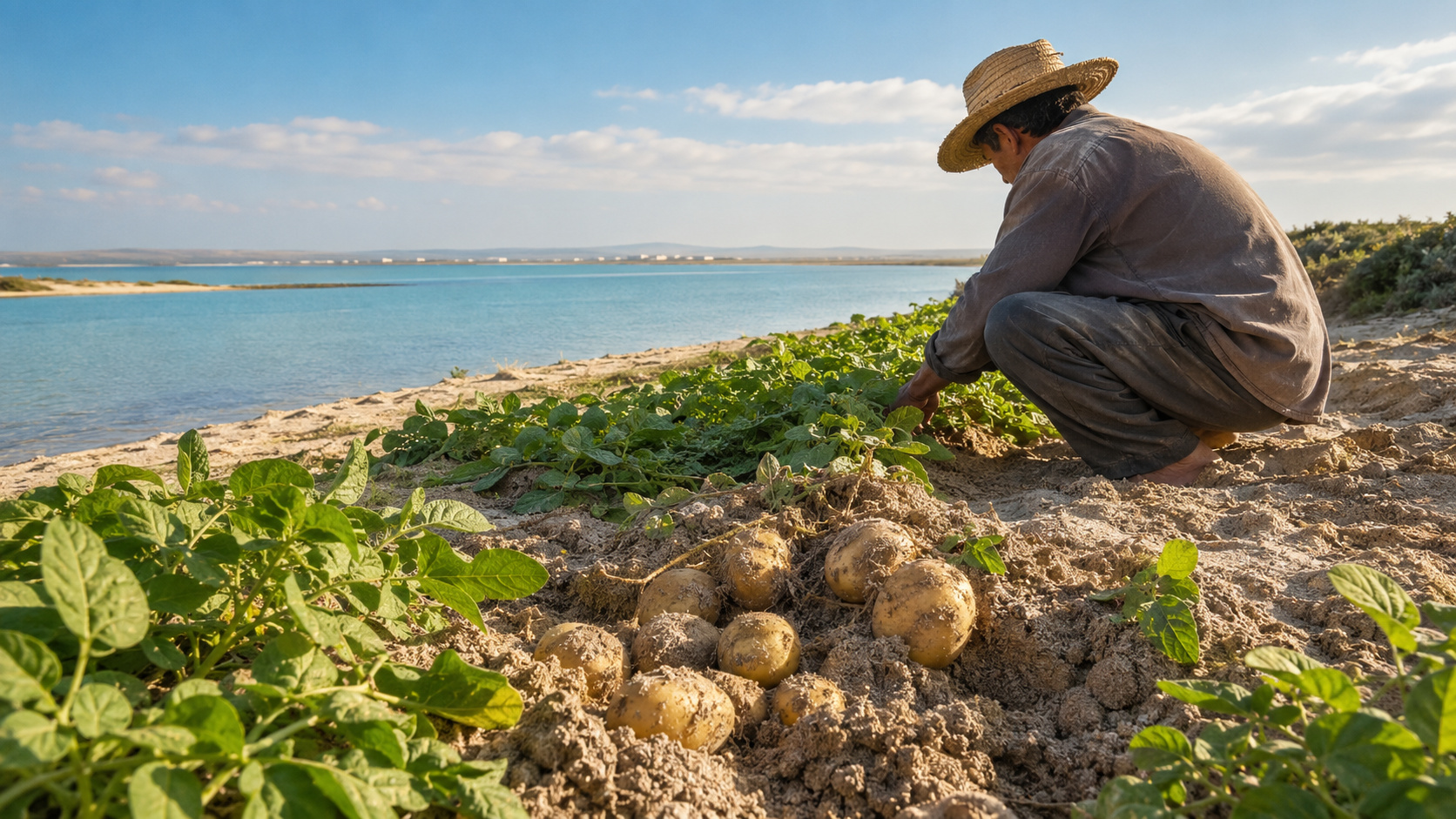
It seems impossible, but farmers in Tunisia plant potatoes on sand surrounded by saltwater, use rain and tides for irrigation, and harvest up to 30 tons per hectare.

-
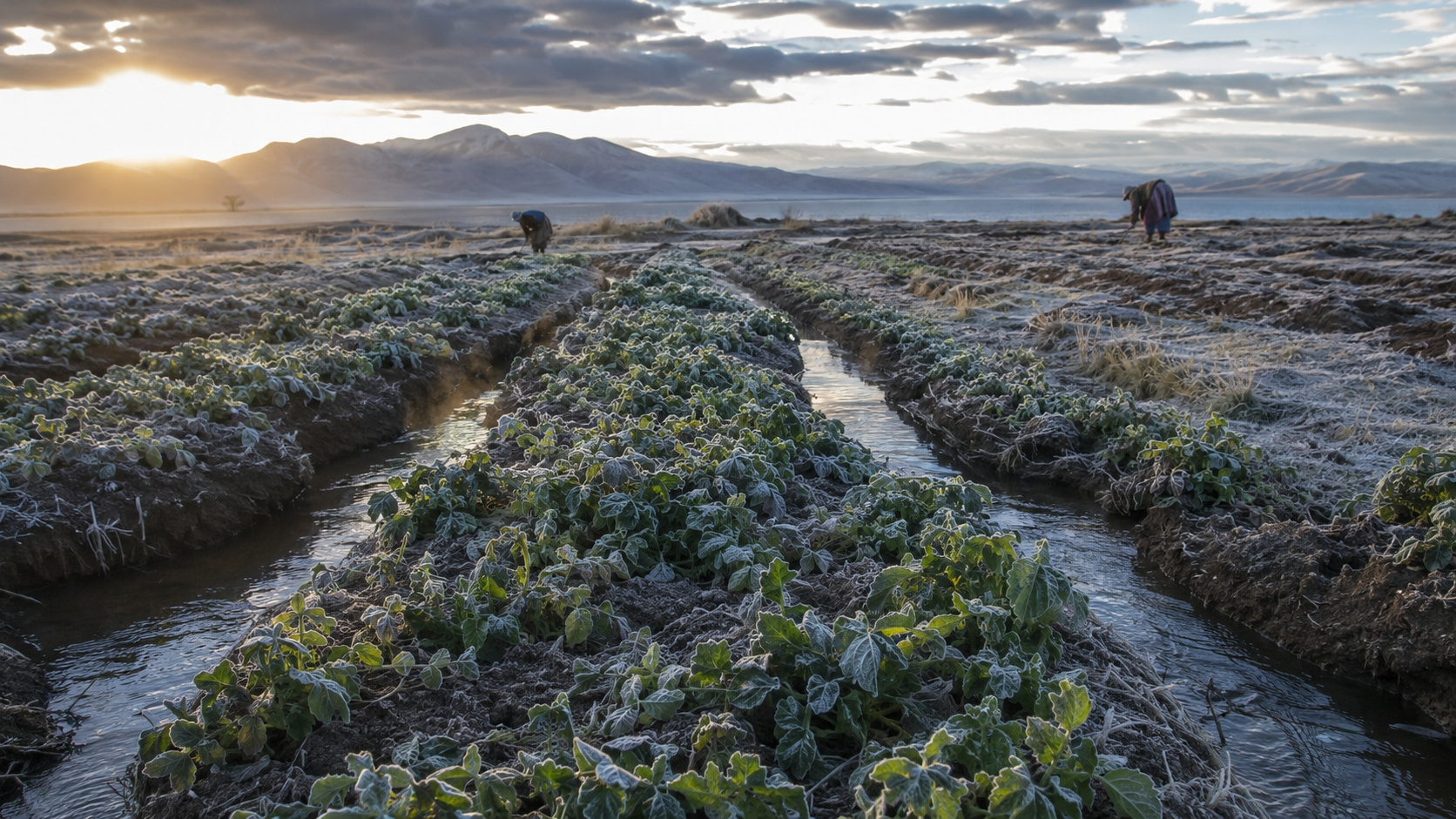
Without industrial fertilizers or pesticides, farmers in Peru are reclaiming 3,000-year-old fields that use water to warm crops during frosty nights at an altitude of 3,800 meters.
-
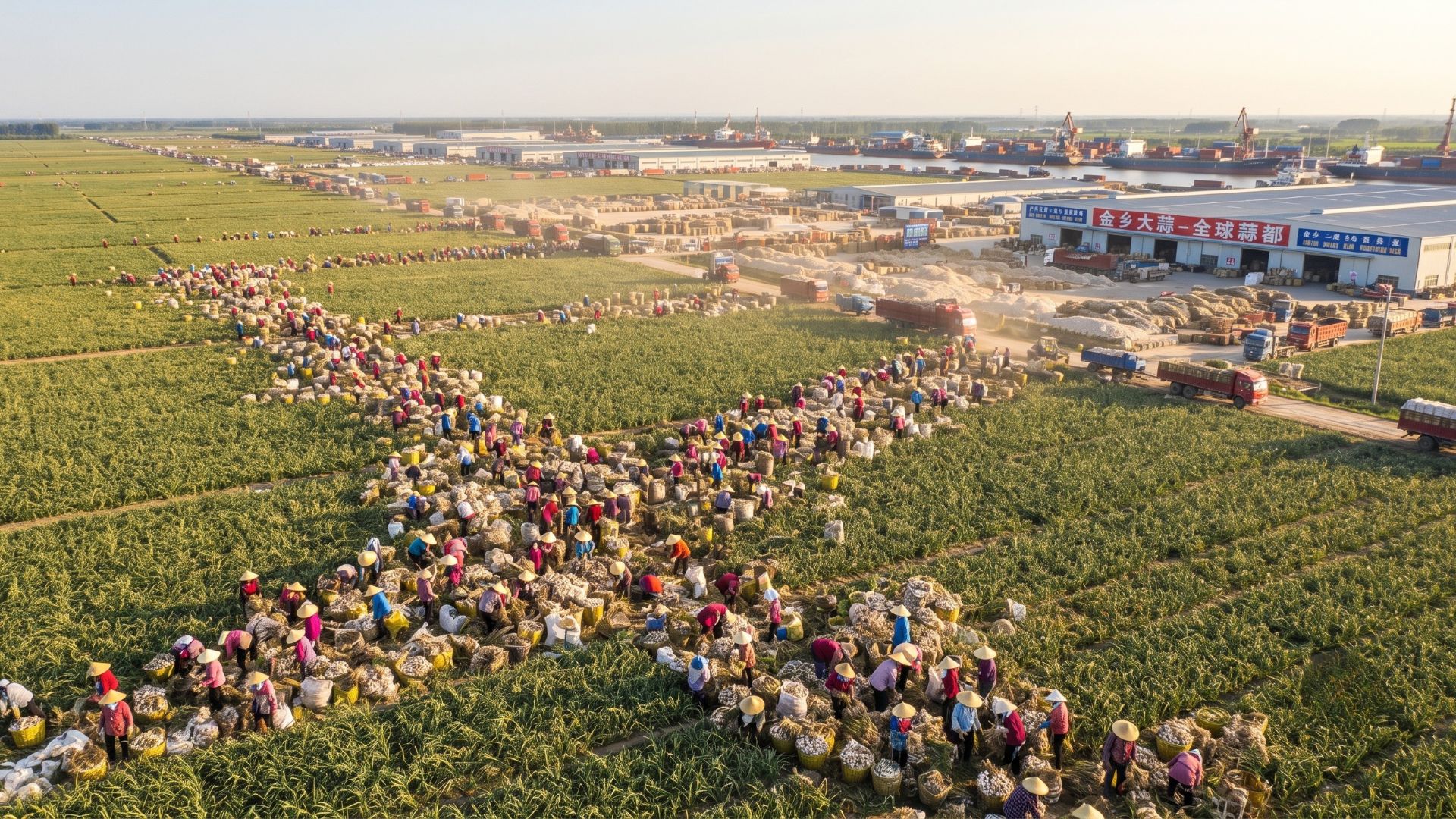
Garlic Empire: China produces 21.3 million tons per year, harvests 58 thousand tons per day, and controls 73% of all garlic consumed on the planet.

In 2018, they moved to the farm, built the house from scratch, and bet on living off their own property a path that today excites more and more people and that institutions like Sebrae usually encourage.
The dream of a peaceful life, however, soon clashed with market reality. They planted bananas and, in the first harvest, suffered a loss: the price paid for the crop was much lower than they imagined.
It was enough for Daniela to realize that she couldn’t live at the mercy of the price paid by Ceasa and that it was necessary to find another way to avoid seeing the production turn into a loss.
From the Banana Loss to the Kitchen

image: A Gazeta
The solution came from the talent she already had. Daniela went to the kitchen and started producing dried bananas, banana jam, and other sweets from the fruit.
The problem was that the idea was too good to be just hers: since the region already had a lot of bananas and several properties were making exactly the same sweets, a differentiator was missing.
That’s when the entrepreneur reversed the logic. Instead of repeating what everyone else was doing, she started looking for what no one was doing, starting with okra, also planted on the farm.
She created a pickled okra hard to find in that format, which became popular with everyone and from there defined her strategy: to invest in products that are not found on supermarket shelves.
The “Banana Barbecue” and the Jams No One Expected
With the recipe for differentiation in hand, the products became bolder. There came the guava ketchup, black garlic jam, onion and bacon jam, and the so-called “banana barbecue,” made with smoked fruit, which became the best-selling item of the brand Da Terra Produtos Caseiros.
To take the next step, Daniela sought out Incaper and transformed the property into a family rural industry, with almost all production coming from what is planted right there. The uniqueness of the products made the brand known throughout Espírito Santo, and the artisanal nature still ensures prices that do not compete equally with those of large industries.
Entrepreneurship in the Countryside is Not a “Hobby”
Success, however, coexists with prejudice. Daniela says that many people still see family farming as a pastime, not as real work.
“People can’t see the entrepreneur as a form of progress. We hear a lot that we just want to show off. Only I know how hard it is,” she confesses. For her, entrepreneurship in the countryside is, above all, looking at one’s surroundings and seeing what can be transformed into income.
Practical difficulties also weigh in. When it rains, the roads become bad and sometimes she can’t even participate in fairs, besides having to handle production, logistics, and administration all by herself. Even so, it is the result that drives her:
“The most beautiful thing about entrepreneurship is the completion of my product, the achievement of producing something with quality, with the raw material that I planted.”
Not a unique case: strawberry with lavender and sushi in the countryside
Daniela’s journey is repeated, with other ingredients, throughout the countryside of Espírito Santo. In Marechal Floriano, Tatiane Gilles invested in strawberries, which are not traditional in the region, and started transforming them into jams with unusual combinations, from basil and lemon to lavender, the most famous of them.
“When people try the strawberry and lavender jam, they are surprised because they thought the ingredient was only used in cleaning products,” she says, summarizing the same recipe as Daniela: doing something different and with quality.
In Jaguaré, the couple Anthony Pirola and Lívia Lima Alves invested in an unlikely niche for a small town: Japanese food. Tired of having to travel to eat sushi, they opened the restaurant Villa 09 and now receive customers from several neighboring municipalities.
“Even hidden in the countryside, we bet on a themed menu and are spreading oriental cuisine,” says Pirola, for whom entrepreneurship far from big centers is a way to boost local commerce.
What makes a business in the countryside succeed
According to experts, these stories have an explanation. According to Alberto Gavini, director of Aderes, one of the biggest problems of cities in the countryside is the limited job offer, which makes opening new businesses a valuable strategy.
“Family farming is strong in the countryside and small agro-industries have stood out,” he states, noting that a good part of successful ideas arises precisely from taking advantage of market niches.
He warns, however, that enthusiasm is not enough. For a business to consolidate, it is necessary for revenue to exceed expenses, along with innovation, cost reduction, and good management.
In Gavini’s assessment, the biggest obstacle for entrepreneurs in the countryside is the lack of qualification therefore, he recommends developing an entrepreneurial profile, seeking preparation, and creating a business plan before investing.
And you, would you leave the city to start a business in the countryside?
From a banana that was a loss to a smoked “barbecue” awarded for its taste, Daniela’s story shows that the countryside can be a stage for reinvention and income as long as there is creativity and work.
Would you have the courage to swap the big city for the countryside to run your own business? And which of these unusual products made you most want to try it? Tell us in the comments here.