





 Portuguese
  English
  Spanish
  2 min of reading
  0 comments


A Texas Startup Is Shocking The World With The Launch Of Giant Satellites, And Signs Indicate That The Worst Is Yet To Come. Learn How These Launches Can Impact Space And Earth
A startup from Texas is revolutionizing the space industry with the launch of communication satellites of unprecedented sizes, generating controversy among astronomers and experts.
AST SpaceMobile recently launched five satellites called BlueBirds aboard a SpaceX Falcon 9 rocket. These satellites impress with their size: when deployed, they feature a communication array of 64 square meters, the largest ever deployed in low Earth orbit.
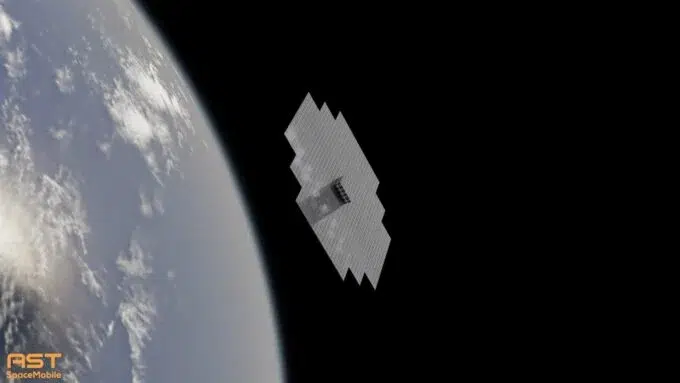
The company is not only expanding its technological capabilities but also attempting to create the first broadband cellular network accessible directly from mobile phones, regardless of where users are located.
-
China wants to install a giant power bank in space to harvest solar energy continuously, day and night, and has already tested on the ground, in a 75-meter tower, the wireless transmission of energy over a distance of 100 meters to various moving targets.

-
The brute force of the waves turns into clean energy with almost no waste, as promised by a gyroscopic converter created in Japan that, in simulations, couples with the sea’s sway and reaches the maximum limit of 50% efficiency, leaving old marine generators behind.
-
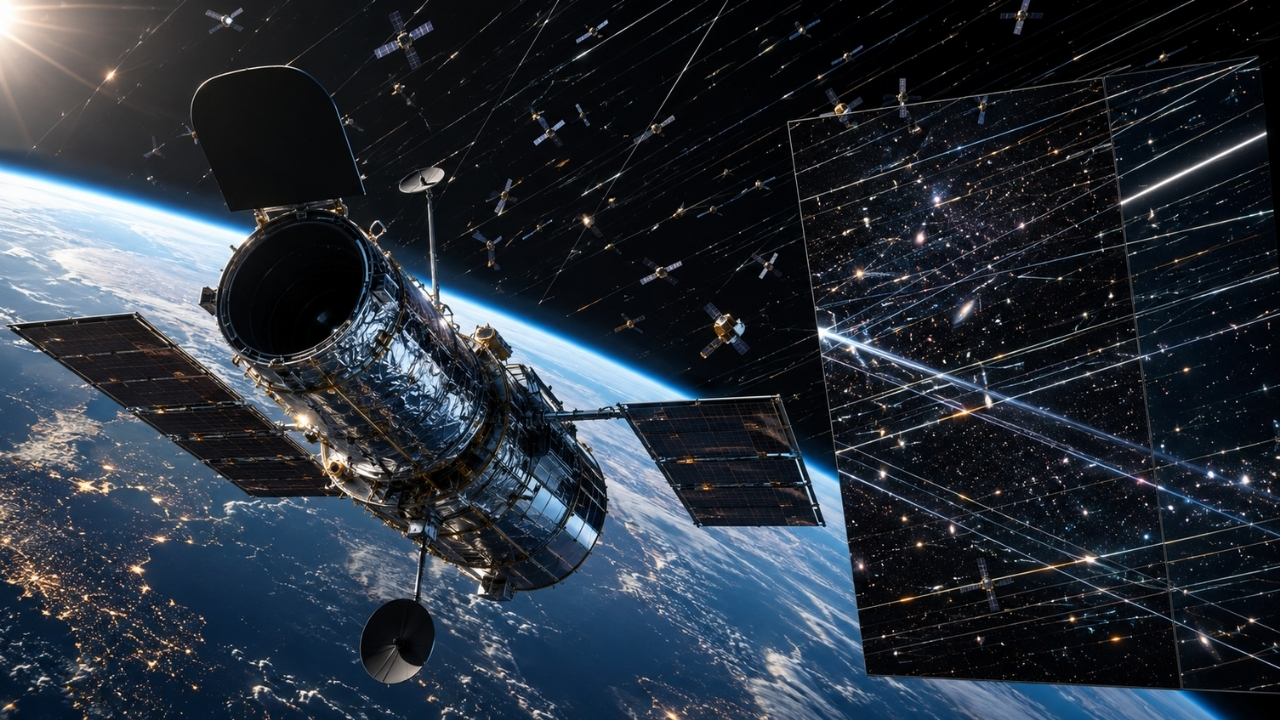
NASA’s space telescope already has 73% of its images contaminated by satellite trails, and scientists warn that the problem could reach 100% if millions of objects are launched into low Earth orbit.

-
From discarded uniform to blanket for those sleeping on the streets: Brazilian initiative transforms tons of corporate fabric into shelter, reduces textile waste, and creates a chain of social impact that starts in companies and ends in the hands of those who need it most.



In September 2023, AST SpaceMobile reached an important milestone by making the first 5G satellite phone call between its prototype and a Samsung Galaxy S22. Abel Avellan, the company’s president and CEO, states that this innovation could transform global connectivity, promoting economic development and strengthening communities in remote areas.
Many Concerns About The Project
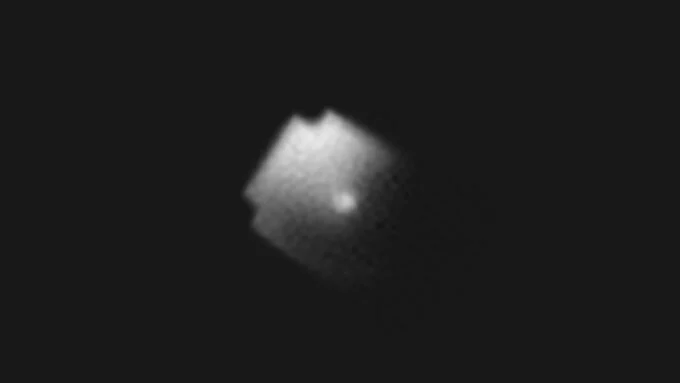
However, the technical success of AST SpaceMobile comes with concerns. The BlueBirds satellites have a significant impact on space observation. The prototype, BlueWalker 3, launched in September 2022, caught attention not only for its size but also for its brightness, which obscures several visible stars in the sky.
In a study published in October 2023 in the journal Nature, astronomers reported that the brightness of BlueWalker 3 was comparable to that of stars like Procyon and Achernar, making it visible to the naked eye and interfering with astronomical observations.
The issue of satellite brightness lacks specific regulation, which intensifies concerns among scientists. And the situation may worsen. Avellan revealed that future satellites will be even larger, up to three and a half times the size of the current BlueBirds, which could exacerbate the problem of space light pollution.
AST SpaceMobile is not alone in this race to connect the world through space. Companies like SpaceX, Amazon, OneWeb, and Lynk Global are also launching satellite constellations.
SpaceX, for example, has already placed over 7,000 Starlink satellites in orbit. This technological race is rapidly changing the night sky landscape, turning star observation into an increasing challenge.
While innovation promises global connectivity and technological advances, the scientific community questions the long-term impacts. As more satellites are launched, the night sky — which has inspired civilizations for millennia — is beginning to be drastically altered by the artificial light of these new technologies. And the future promises to be even brighter, for better or worse.








Be the first to react!