





 Portuguese
  English
  Spanish
  4 min of reading
  0 comments


Catastrophic Events In Tourist Regions Of Argentina And Chile Shock The International Community And Sound The Alarm
Wildfires have once again put Argentine Patagonia at the center of environmental attention in recent weeks. Although fire can arise from natural causes, such as lightning strikes during storms, official data shows that human activity is behind the overwhelming majority of these disasters. According to the AFE (Federal Emergency Agency), an agency linked to the Ministry of Security of Argentina, about 95% of the wildfires recorded in the country are caused by human activities, whether accidental or intentional.
In the current burning season, the Patagonian region has suffered one of the most severe episodes in recent years. From the beginning, more than 15,000 hectares have been devastated, with the most critical situation concentrated in the province of Chubut, in the southernmost part of the country.
Now, local authorities classify the episode as an environmental disaster, not only because of the extent of the affected area but also due to the direct impact on a biome considered unique on the planet, which is home to plant and animal species adapted to specific climatic conditions.
-
Provatti popcorn corn is removed from shelves after label says “gluten-free” while also warning about wheat

-
The United States government approved a potential sale of 100 portable Stinger anti-aircraft missiles to the Brazilian Army, in a package estimated at around 330 million dollars that still depends on negotiations between the two countries.

-
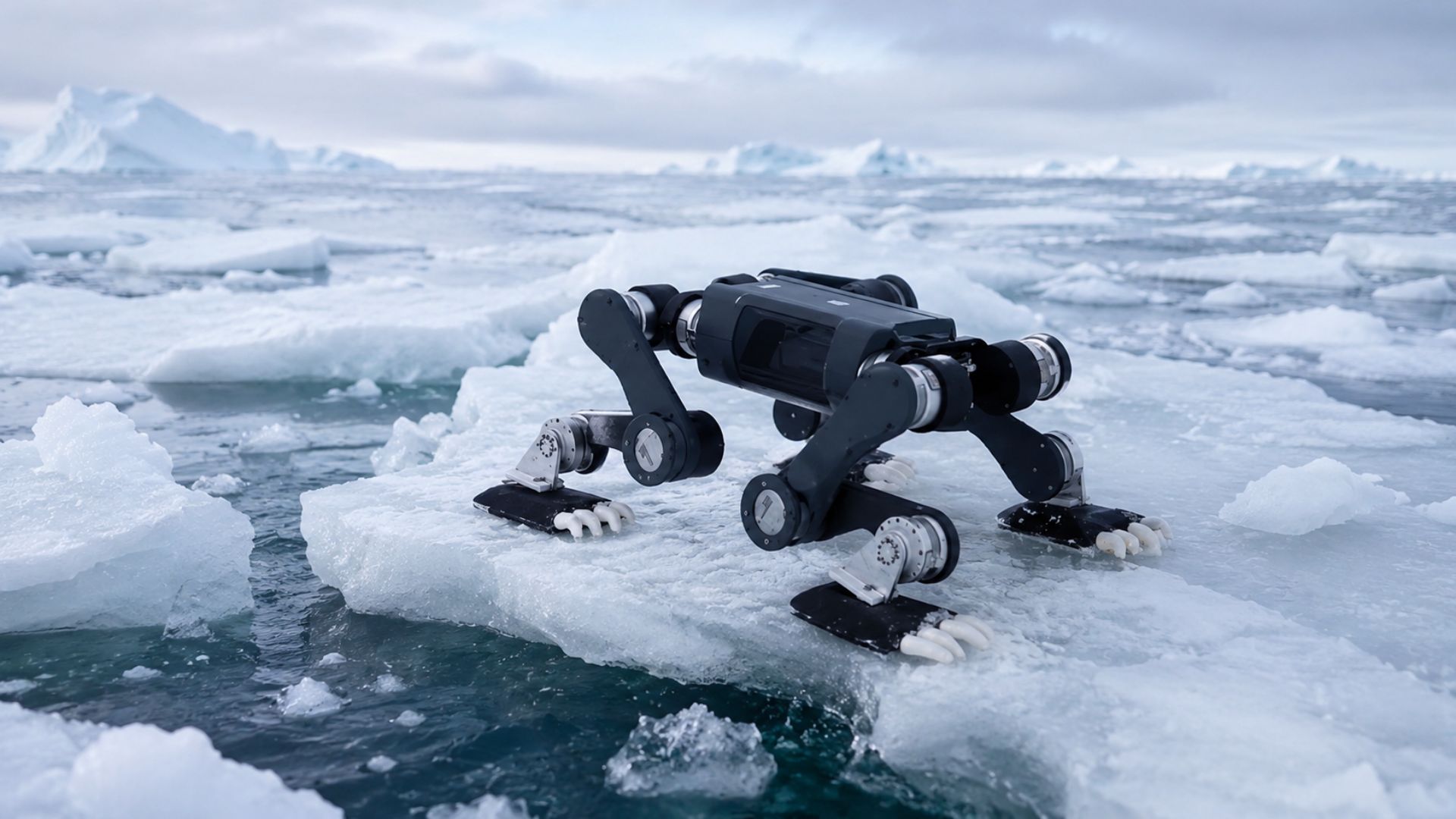
A four-legged robot dog, modified with bear paws and artificial intelligence navigation, has become the first of its kind to cross floating ice blocks in the Arctic Ocean.
-
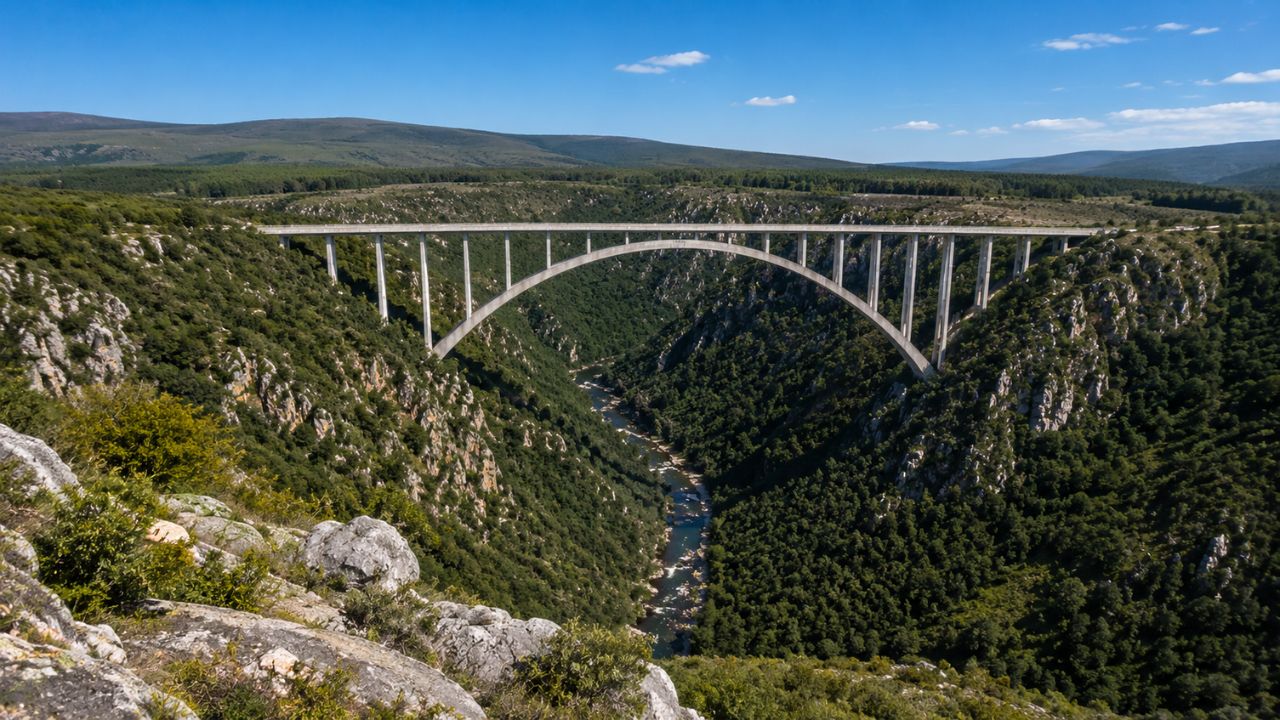
Suspended at more than 200m high, this bridge was built to replace a dangerous road and today offers a bungee jump with more than seven seconds of free fall over a gorge in South Africa; Get to know the Bloukrans Bridge.


However, initial investigations point out that the fires may have been triggered by human actions, such as poorly extinguished campfires, improperly discarded cigarette butts, abandonment of rural areas, and the use of fire for pasture preparation.
In fact, the AFE itself acknowledges that climatic factors, such as prolonged drought, lack of rainfall, strong winds, and high temperatures, create a favorable scenario for the rapid spread of the flames, further worsening the situation.
How to Recover the Ecosystem in Patagonia

While firefighters continue to combat active hotspots in different parts of Patagonia, experts are already turning their attention to what comes after the fire: the recovery of the ecosystem. In an interview with National Geographic, Tobías Merlo, a graduate in Environmental Sciences and founder of the organization ReforestArg, emphasized that environmental restoration is a long, complex process that requires rigorous planning.
According to Merlo, the first step after the fire is extinguished is a detailed diagnosis of the affected area. Since fires often affect thousands of hectares, it is not possible to restore everything at once. Therefore, strategic points for reforestation are defined, usually in higher areas with favorable conditions of wind, light, and slope. The idea is to create small clusters of trees that function as “natural nurseries,” capable of dispersing seeds and gradually expanding regeneration.
Another essential aspect is to check who manages the affected area, whether it is the state, the province, or private owners, ensuring protection and continuity of the restoration work. After this stage, forests formed by groups of 10 to 20 trees are implemented, considering that not all will survive, but part of them will play the role of regenerating the surrounding environment.
The choice of species is another decisive point. The recommendation is always to prioritize native trees, which have been the most harmed by the fire. In Patagonia, traditional species of the Andean forest, such as coihue, lenga, and cypress, often fail to sprout again after intense fires. In their place, exotic plants, such as pines, emerge, which alter the natural balance and hinder the recovery of the original biome.
How Long Does It Take For The Forest To Recover
The regeneration time also varies widely. According to Merlo, there is no fixed timeframe for a forest to return to its state of equilibrium. In some cases, this process can take decades or even centuries. In Patagonia, for example, areas of cypress on arid slopes may need up to 200 years to fully reestablish, depending on the degree of degradation and environmental conditions.
Thus, active restoration, with human intervention, has become indispensable in the current scenario. Although fire has always been part of the natural dynamics of forests, climate change and the introduction of exotic species have profoundly altered this balance.
Frequent and extensive fires now prevent seeds from surviving trees from reaching the centers of burned areas, making spontaneous regeneration unfeasible.
Finally, the success of a restoration project is not measured solely by the number of trees planted. For Merlo, successful campaigns are those in which at least 80% of the seedlings survive, but the social impact is also fundamental. Environmental awareness, the involvement of volunteers, and the generation of income for local communities are part of the process. “In addition to restoring forests, we are restoring consciousness,” summarizes the expert.
In light of the advancing fires and the clear human influence on this process, Argentine Patagonia serves as a warning about the urgency of public policies, environmental education, and behavior changes to prevent tragedies like this from happening again.







Be the first to react!