






 Portuguese
  Spanish
  2 min of reading
  0 comments


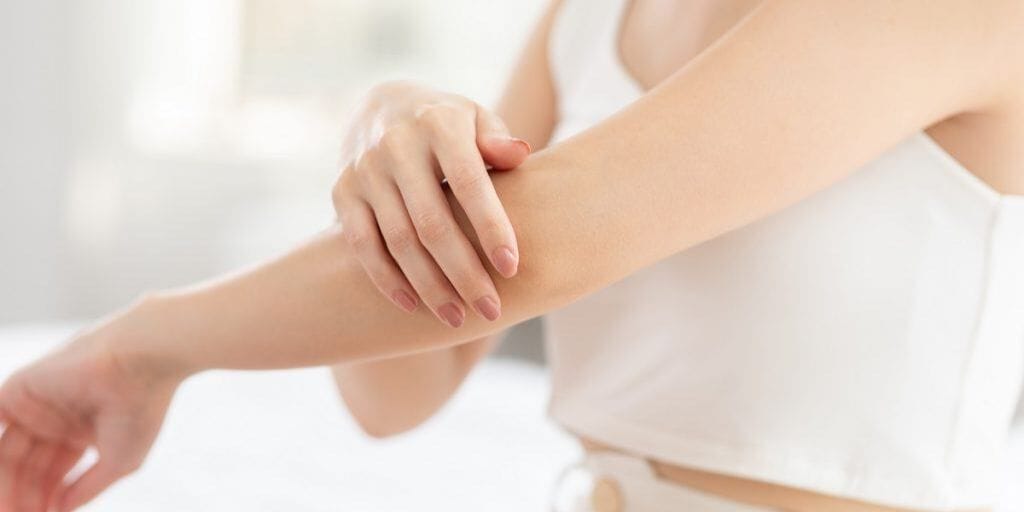
The Advancement Of Technology Continues To Bring Surprises. This Time, The Innovation Brought By Researchers From The University Of Texas At Austin, In The United States, Is A New E-Skin, Elastic Electronic Skin, Considered The First Sensitive To Human Level, That Is, It Could Make Robots Become Sensitive To Touch, Just Like We Are.
According To TechXplore, Currently, The Technology Used For E-Skin Loses Detection Precision As It Stretches. However, The New Technology Is Able To Maintain The Sensitivity Of Robots Even When The Skin Is Stretched.
According To Nanshu Lu, Who Is A Professor In The Department Of Aerospace Engineering And Mechanical Engineering At The Cockrell School Of Engineering, Who Led The Project, Human Skin Needs To Stretch And Bend To Accommodate Our Movements.
This Is Exactly What Happens With The Electronic Skin That, In Its New Version, Just Like Humans, Does Not Lose Its Sensitivity, That Is, The Response Ability, No Matter How Much The Skin Is Stretched.
-
Helicopter Drops 180 Tons of Sand and Gravel on Swedish River to Revive Ecosystem Damaged by Decades of Exploitation

-
Brazilian Company Launches Retro Smartphone with 48 MP Camera, T9 Keyboard, and Privacy Features for Social Media-Free Use

-
Self-Taught Chinese Farmer Builds 5-Ton Submarine from Scrap, Launches It in Anhui River
-
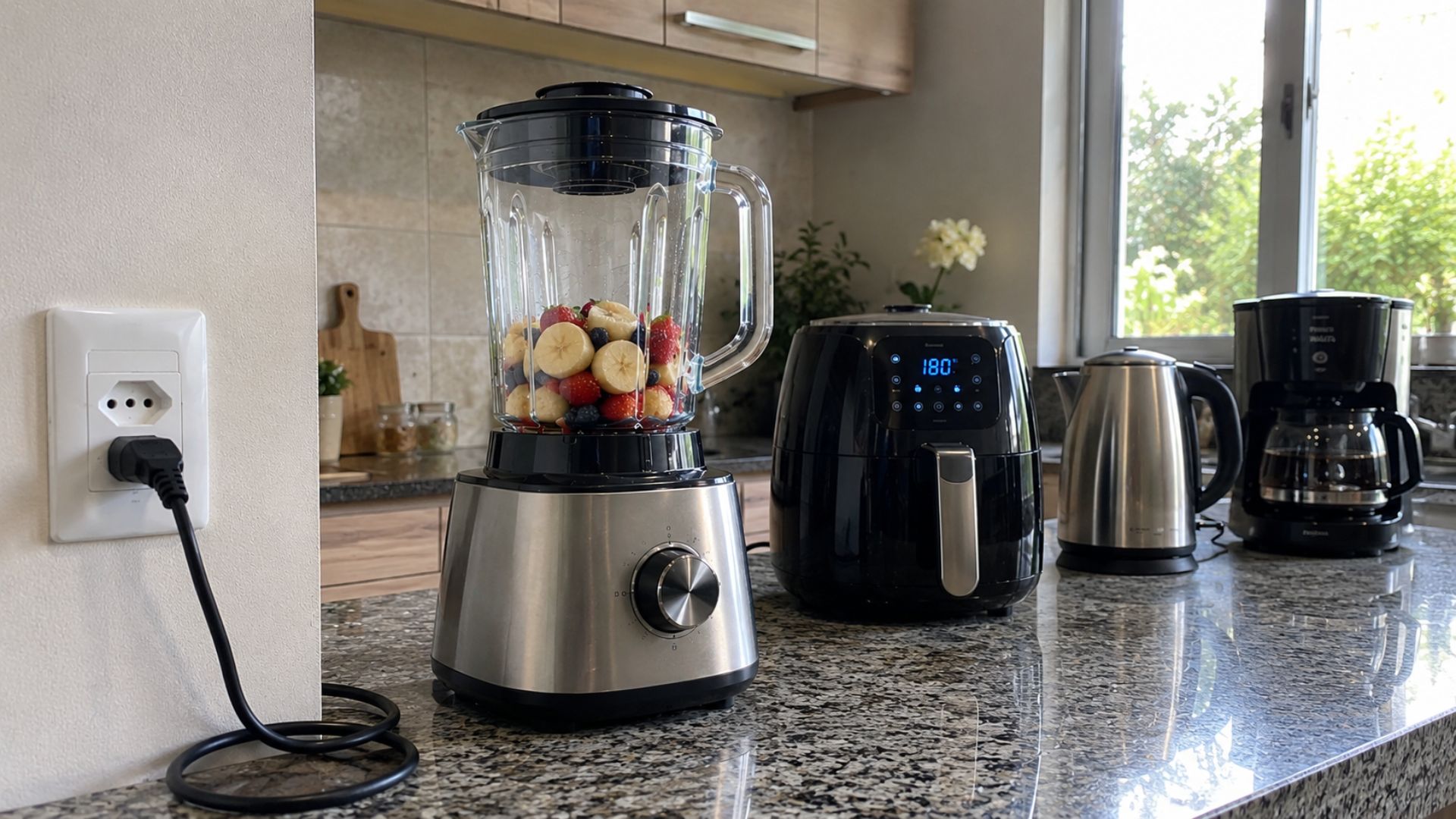
Invisible Induction Technology Enables Wireless Power for Blenders, Coffee Makers, and Air Fryers, Reducing Countertop Cables




In The Study, Published In Matter, The Project Leader Explains That This Skin For Robots Is A Crucial Component, For Example, For A Robotic Hand That Has The Same Level Of Softness And Sensitivity To Touch As A Human Hand.
Furthermore, She States That This Technology Can Be Used In Medical Care. For Example, There Are Robots With This New Capability That Could Check A Patient’s Pulse, Clean The Person’s Body, Or Even Massage Parts Of It.
Nanshu Lu Explains That Robots Can Help People Around The World, As There Are Currently Millions Of Elderly People Who Need Care And See A Human Medical System Struggling To Keep Up With Demand.
In This Sense, She Explains That, As Things Stand, In The Future We May See A Global Crisis Due To The Increase In The Number Of Elderly And A Decrease Or Stagnation In The Number Of People Able To Care For Them. Another Use For Robots Is Their Utilization In Disaster Situations.
According To The Project Leader, They Could Assist In Searching For Injured And Trapped People In Earthquakes Or Collapsed Buildings And Could Also Provide Medical Care On-Site. Now, The Researcher And Her Team Are Working On The Potential Applications Of The Technology.
In This Context, They Are Collaborating With Roberto Martin-Martin, An Assistant Professor In The Department Of Computer Science At The College Of Natural Sciences, Aiming To Build A Robotic Arm Equipped With The New Electronic Skin. The Team Has Filed A Provisional Patent Application For The New E-Skin Technology, And Lu Is Open To Partnering With Robotics Companies To Bring The Innovation To Market.




Be the first to react!