Portuguese
  Spanish


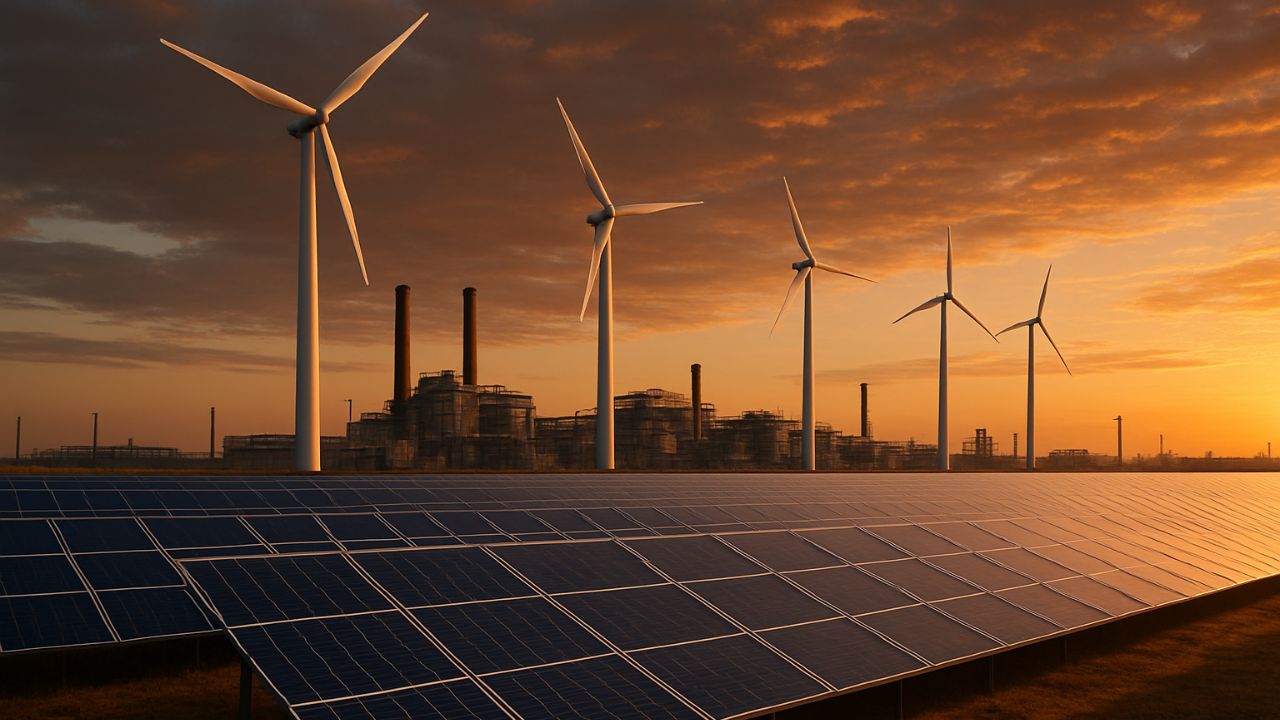

Survey Shows That Self-Production and the Search for Cost Reduction Drive the Energy Transition in the Sector. The Use of Renewable Sources Is Already a Reality for 63% of Industries.
A study by the National Confederation of Industry (CNI) revealed a significant advance in Brazil’s sustainable agenda. In 2024, 48% of Brazilian industries reported investments in renewable energy. This number represents an important jump from the 34% recorded in 2023, showing the sector’s commitment to the energy transition.
Adoption of Renewable Energies Grows and Reaches 48% of the Industrial Sector in 2024
The interest of Brazilian industry in clean energy sources is clearly expanding. According to CNI, the percentage of companies investing in renewables rose from 34% to 48% in just one year. In addition to investments, the effective use of these sources already reaches 63% of industries in the country. For Roberto Muniz, director of Institutional Relations at CNI, the data shows that Brazil is at the forefront of the energy transition. The survey interviewed 1,000 executives from companies of all sizes and states between October and November 2024.
Northeast Leads Investments in Renewable Sources in the Country
The leadership in the industrial energy transition has a geographical highlight. The Northeast takes the lead, with 60% of its industries investing in clean energy projects. The region also stands out in optimizing consumption, with 93% of companies adopting practices to save energy. Other regions also show strength: North and Midwest recorded 56% investments in renewables, followed by South (53%) and Southeast (39%).
-
Fired during apartheid and with a little borrowed money, an electrician started with a borrowed truck and transformed electrical services into a group connected to energy, real estate, and infrastructure in South Africa.

-
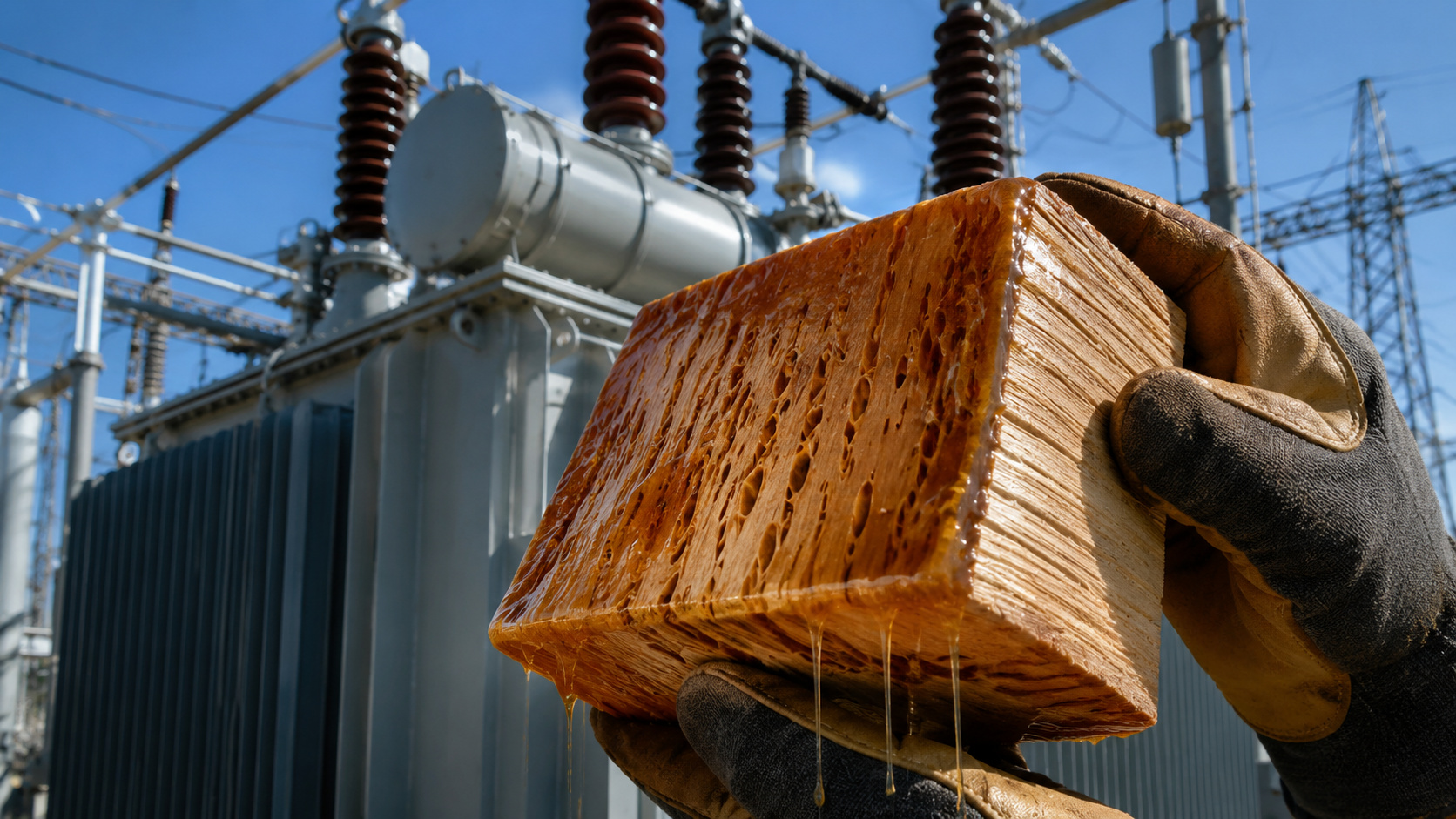
Wood has ceased to be just a construction material in Yale research and has become insulation for electrical transformers that face intense heat, aging, and increasing pressure from the renewable energy-powered grid.
-
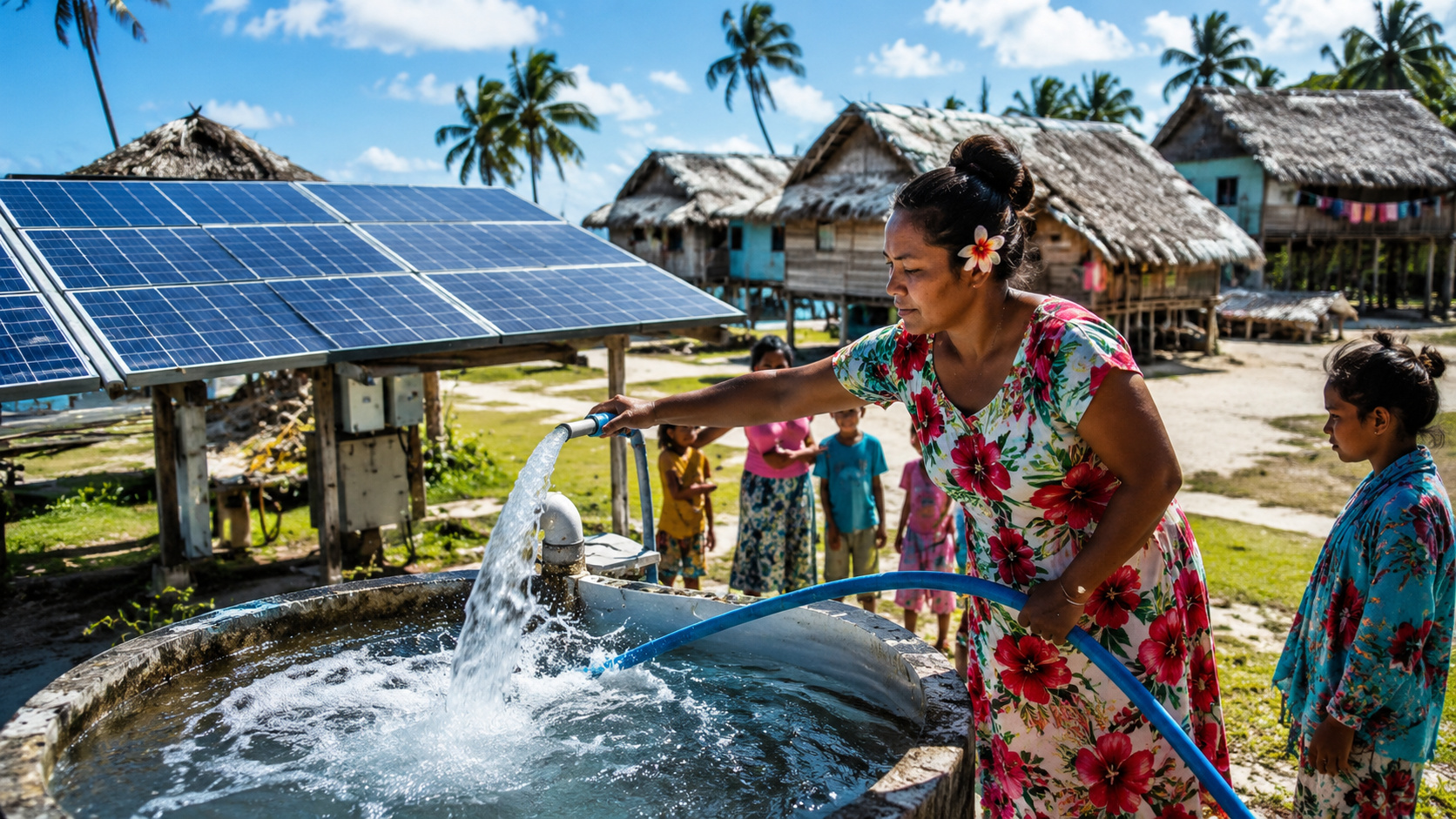
More than 1,000 residents of a remote island in Kiribati now have clean water and electricity with solar systems operated by the community itself.
-
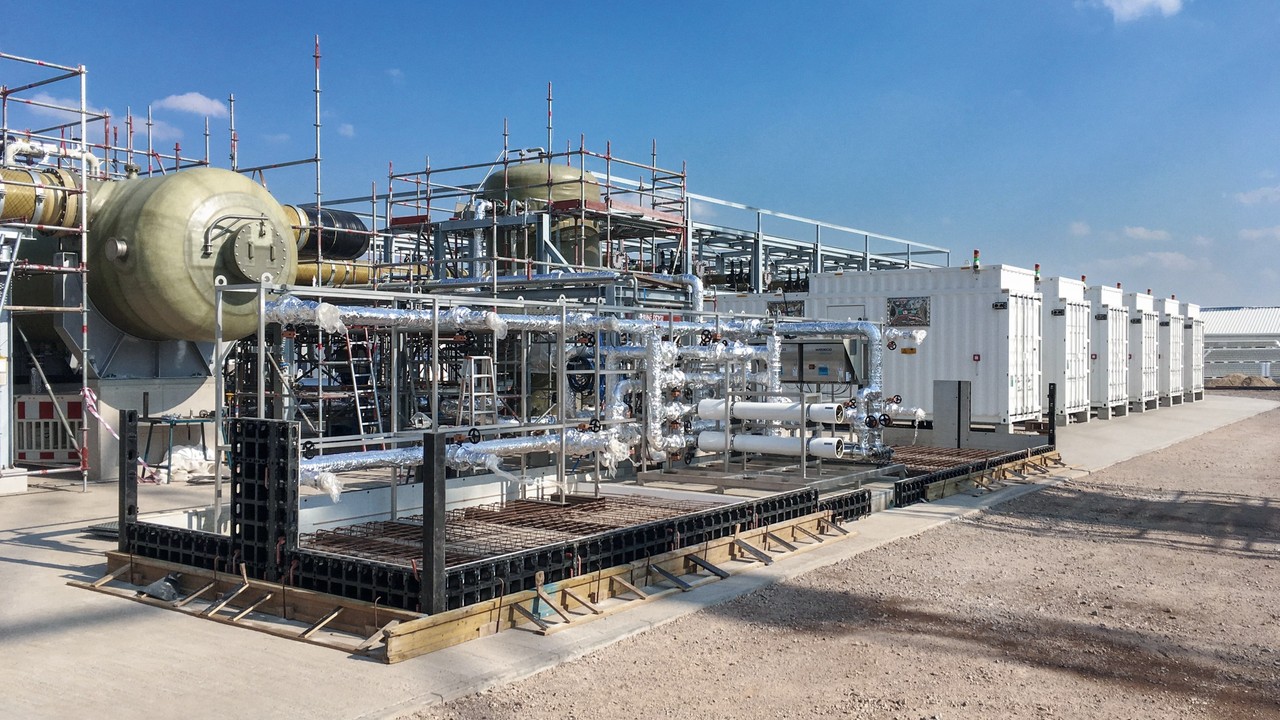
Ceará brings together 7 giants and R$ 66 billion to transform Pecém into the largest green hydrogen hub in Brazil, with final decisions expected by the end of 2026.


Self-Production Is the Main Strategy for Reducing Energy Costs
The main strategy adopted by companies to incorporate renewables was self-production, cited by 42% of them. The main motivator for this decision is clear: for half of these companies, the central goal was reducing operational costs. This indicates that, in addition to sustainability, economic viability is a crucial driver for the change in the sector’s energy matrix.
Renewables as a Tool for the Decarbonization of Industry
The search for renewable sources is directly linked to decarbonization targets. The CNI’s survey indicates that the number of companies considering clean energy a priority for reducing greenhouse gas (GHG) emissions has increased. In 2024, 25% of industries indicated the use of renewable sources as the main strategy for this purpose. Technological innovation also gained traction, rising from 14% to 20% as a path to decarbonization.
Sector Seeks Financing and Criticizes Lack of Tax Incentives
Despite the progress, challenges remain. More than 60% of the companies surveyed expressed interest in obtaining financing to adapt their machinery to the energy transition. However, there is widespread complaint about government support. Nine out of ten industries complain about the lack of tax incentives to enable decarbonization actions, an obstacle that needs to be overcome to accelerate the use of renewables further.