Portuguese
  Spanish





Shipbuilding Industry Shows Signs of Recovery with BRL 33 Billion in Investments from Petrobras and Federal Government. Mac Laren Shipyard in Niterói Will Be One of the Main Beneficiaries.
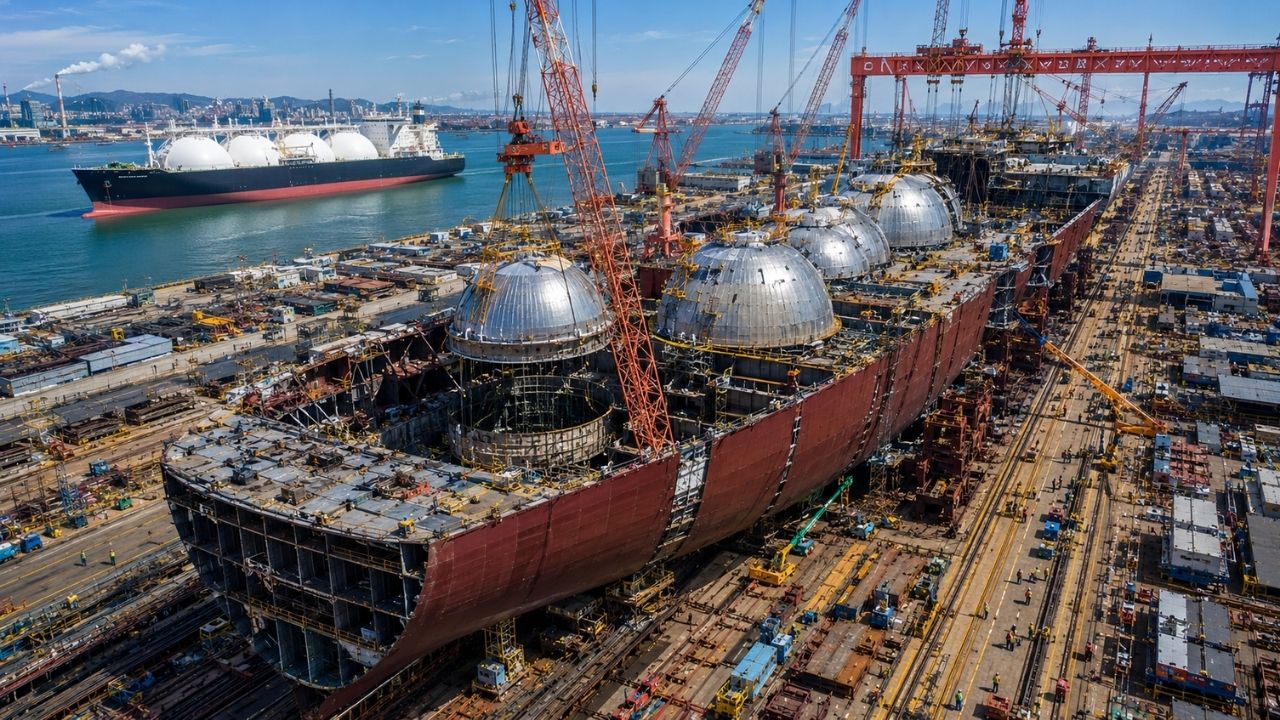
The Brazilian shipbuilding industry is gaining new momentum with a package of investments amounting to BRL 33 billion, announced by Petrobras and the federal government, focusing on the areas of refining, petrochemicals, and energy. The initiative highlights the integration between the Duque de Caxias Refinery (Reduc) and the Itaboraí complex, formerly Comperj, in the state of Rio de Janeiro.
In Niterói, on Ilha da Conceição, the Mac Laren Shipyard is one of the first to benefit from this new phase. The shipyard has signed a contract with Transpetro, a subsidiary of Petrobras, to build four oil tankers in partnership with Ecovix.
The contract value is around BRL 1.6 billion. According to the shipyard’s vice-president, Alexandre Kloh, “this is indeed the beginning of the recovery of the national industry.”
-
Global Shipping Faces Shortage of Certified Maritime Officers, Salaries in the U.S. Can Exceed $100,000 Annually

-
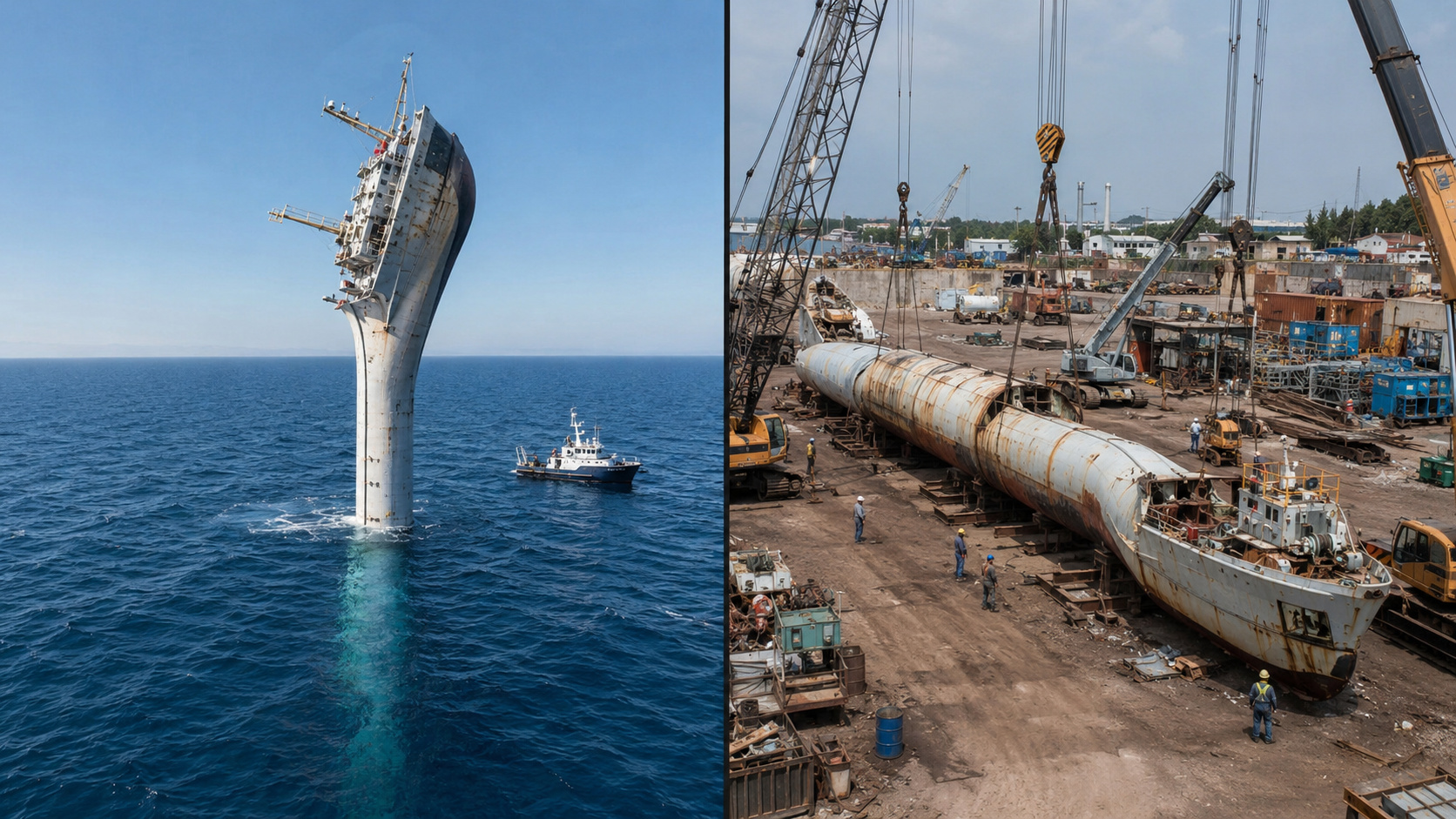
The FLIP: A 108-Meter Ocean Laboratory That Stood Vertically for 60 Years, Dismantled in 2023
-
North Korean Fiasco: Launch of the Largest Warship Ends in Sinking

-
While giant ships still burn heavy fuel and the maritime sector races against climate targets, Maersk and Vale are starting to bet on ethanol as a new route to reduce emissions at sea.




Niterói Returns to the Shipbuilding Map with Prominence
With a strategic location and consolidated infrastructure, Niterói is once again becoming a key player in the shipbuilding industry.
In addition to the new orders, the Mac Laren Shipyard will invest an additional BRL 250 million in the construction of a new dry dock, expanding its operational capacity to meet the growing demand for maintenance and construction of vessels.
This initiative is part of the strategy to ensure the delivery of at least 53 new offshore support vessels, as outlined in Petrobras’ expansion program.
Shipbuilding Industry Aims for Reindustrialization and Job Creation
During the peak of the shipbuilding industry, about 20 years ago, the sector employed over 120,000 workers. Today, that number is around 30,000.
The expectation is that, with the new investments in the shipbuilding industry, Brazil will regain its prominence in the global maritime and oil scenario.
The movement also indicates a strategic reindustrialization in the state of Rio de Janeiro, with positive impacts on job creation, income, and technology.
Investment Package Reinforces Confidence in the Sector
The union of Petrobras’ investments, the support of the federal government, and the strengthening of the production chain is already reflecting renewed confidence in the sector.
The reconstruction of this network, connecting energy, logistics, and innovation, could reposition Brazil as an international powerhouse in the shipbuilding and offshore industry.