






 Portuguese
  Spanish


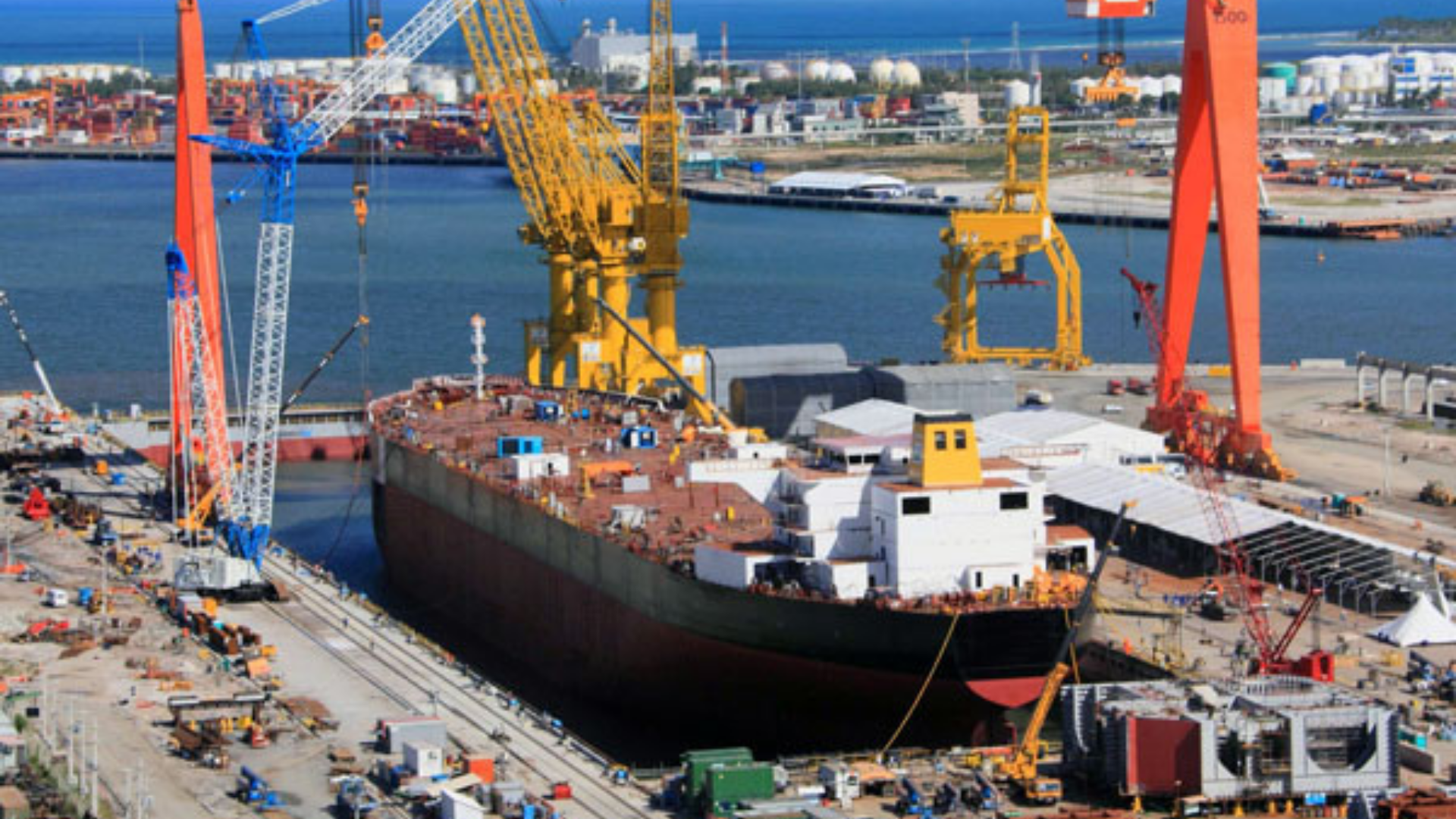
The Construction of Frigates and Patrol Boats for the Navy at the Shipyards in Rio de Janeiro Excites Special Commission on Naval Industry
Yesterday (05/31), the Special Commission on Naval and Offshore Industry of the State Assembly of Rio de Janeiro (Alerj), chaired by Deputy Célia Jordão, was excited about the job creation expectations with the construction of frigates and patrol boats for the Navy at the state’s shipyards. This possibility was discussed during a technical visit to Emgepron and the Naval Technological Cluster. See also: Shipbuilding: Petrobras Signs Contract with Keppel for the Construction of FPSO P-78, Set to Be Installed in the Pre-Salt Layer, in the Santos Basin
- Britânia, an Electronics and Home Appliances Company, Is Offering Dozens of Job Openings in Three Regions of Brazil
- Fatec Tatuapé Opens 320 Positions in Free Higher Education Courses, No In-Person or Online Exam Required
- VLI Closes New Partnership with Hidrovias do Brasil to Focus on the Development of Ferrogrão
- General Electric Is Eyeing the Brazilian Offshore Wind Energy Market, with Investments Expected This Year
- Nestlé Opens Recruitment Process with New Job Openings for Several Brazilian States
Construction of New Vessels for the Navy at the Shipyards in Rio de Janeiro
Representatives of the public company in Rio de Janeiro, which manages naval industry projects, reported that the Navy needs 12 frigates. Four of these are already under construction in the state of Santa Catarina, with up to 40% local content hiring. The remaining projects can be brought to Rio de Janeiro, with the potential for job creation in the state.
The CEO of Emgepron, Admiral Edesio Teixeira, says they have the capability for intelligence and production, noting that 90% of trade happens by sea. According to him, bringing these Navy vessel construction projects to Rio de Janeiro requires a joint effort between them and the state government. Teixeira states that the blue economy is essential for the development of Rio de Janeiro, which has the full capacity to restructure for growth.
-
Bolivian Female Construction Workers Form Association to Combat Discrimination and 38% Pay Gap in the Industry

-
Near Amsterdam, residents buy land and discover they must also build streets, manage drainage, handle waste, and grow food on half their plot.
-
Without a mansion, without high investment, and without a traditional classroom, a teacher living in a 22 m² house taught students to build a 9 m² studio apartment with the equivalent of R$10,000.
-
Without her own home and pressured by rent, a 25-year-old bought a small 15-meter boat, gradually renovated the interior by herself, transformed the interior with paint, new flooring, a larger bathroom, and started living on the canals, paying much less per month.


Plans for the Naval Industry in Rio de Janeiro
According to Deputy Célia Jordão, the work of the commission has been precisely to facilitate communication between the sector and the government, aiming to contribute to the development of a regional management plan that boosts the maritime economy in the state of Rio de Janeiro. Jordão states that during the visit to the Technological Cluster, she saw good prospects for the naval industry with the construction of these new frigates and patrol boats, and that all of this aligns with what the commission seeks, which is job and income generation for the state of Rio de Janeiro.
Admiral Ilques Barbosa Júnior, former commander of the Navy, asserts that there is no more time to waste, and remaining stagnant is a significant risk for Brazil’s development. According to him, it is an economic security matter. The admiral emphasizes that investment in science, education, and presence in Rio de Janeiro is necessary to change this situation; otherwise, large companies will continue to leave. Without mobility, security, and investments, there will be no jobs.
See Also: The Shipbuilding Industry Will Attempt Dialogue with the Federal Government to Resume Petrobras Contracts and Generate Jobs Again
A group of experienced professionals in the sector has come together to create the Emerge Project, which proposes revitalization in the naval industry. The idea will be presented to the Federal Government and promises to turn the page on the Lava Jato scandal by resuming construction projects at the shipyards and consequently generating many job openings, including in the oil and gas sector, if Petrobras resumes orders in Brazil.
Despite having excellent professionals, Brazil is currently facing a crisis in the naval sector, and we must confront shipyards ready to work but that remain nearly idle and/or neglected. The construction of vessels that could be built here is being carried out in Singapore and South Korea.







Be the first to react!