





 Portuguese
  English
  Spanish
  4 min of reading
  0 comments


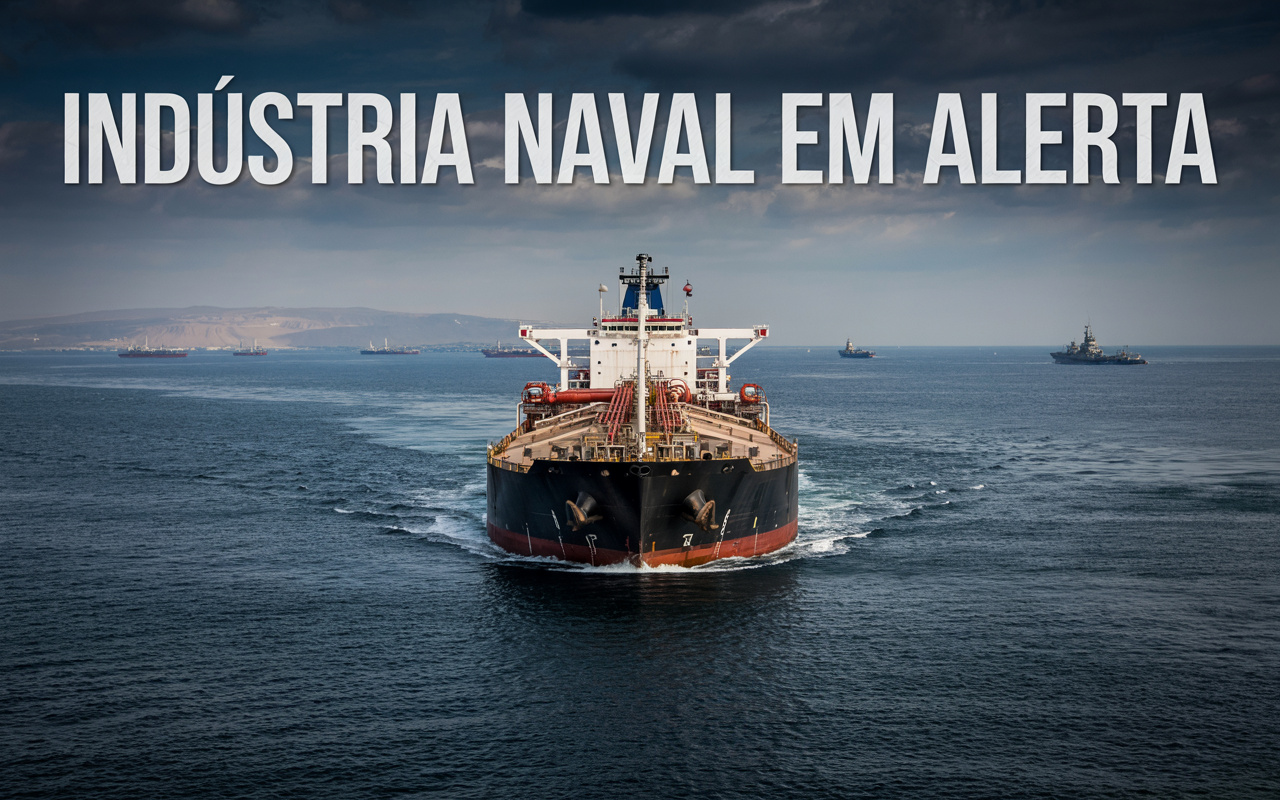
After US Attacks on Iran, Naval Industry Raises Alert Level in the Middle East and Shipowners Reassess Operations in the Strait of Hormuz, Vital for Global Oil Trade.
The naval industry was placed on high alert last Sunday amid rising tensions in the Middle East following US attacks on nuclear facilities in Iran. The risk of retaliation from Tehran against commercial vessels prompted a series of recommendations and precautionary measures in the maritime sector, with immediate impacts on the transport of oil and other commodities in the region.
Greece Advises Shipowners to Avoid the Strait of Hormuz
Greece, the country with the largest capacity for transporting oil tankers in the world, issued an alert to its shipowners to reconsider entering the Persian Gulf until the situation normalizes. In a circular sent to vessel owners and published by Bloomberg, the Ministry of Shipping recommended that ships wait in safe ports and adopt the highest level of security available when transiting the Strait of Hormuz, keeping a distance from Iranian waters.


The Strait of Hormuz is considered one of the world’s main maritime corridors, responsible for the flow of about one-fifth of the world’s oil. Its proximity to Iranian territory makes the waterway even more sensitive in times of crisis.
-
China is designing a container ship with a thorium nuclear reactor that will operate for 40 years without refueling, and the 25,000-container giant from Jiangnan Shipyard will cross oceans without emitting carbon in an industry that burns 300 million tons of fuel per year.

-
An entire boat came out of the 3D printer without a mold and without seams: CEAD’s giant robot creates hulls up to 12 meters in a single piece, replacing months of shipyard work with code and putting shipbuilding on the brink of a turning point that seems like science fiction.
-
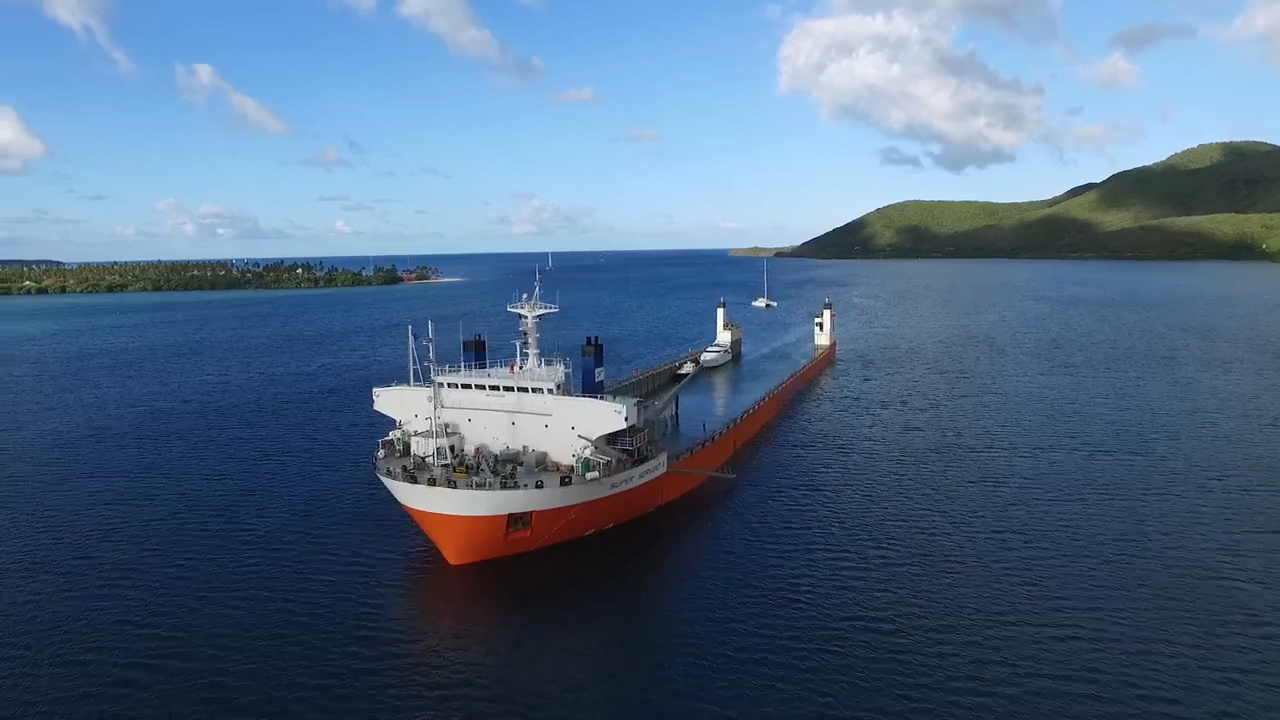
The “dock ship” that deliberately sinks to swallow superyachts like toys: Yacht Servant is 214 meters long, 46 meters wide, has a 6,380 m² deck, and uses float-on/float-off operation to transform maritime luxury into a semi-submersible parking lot.

-
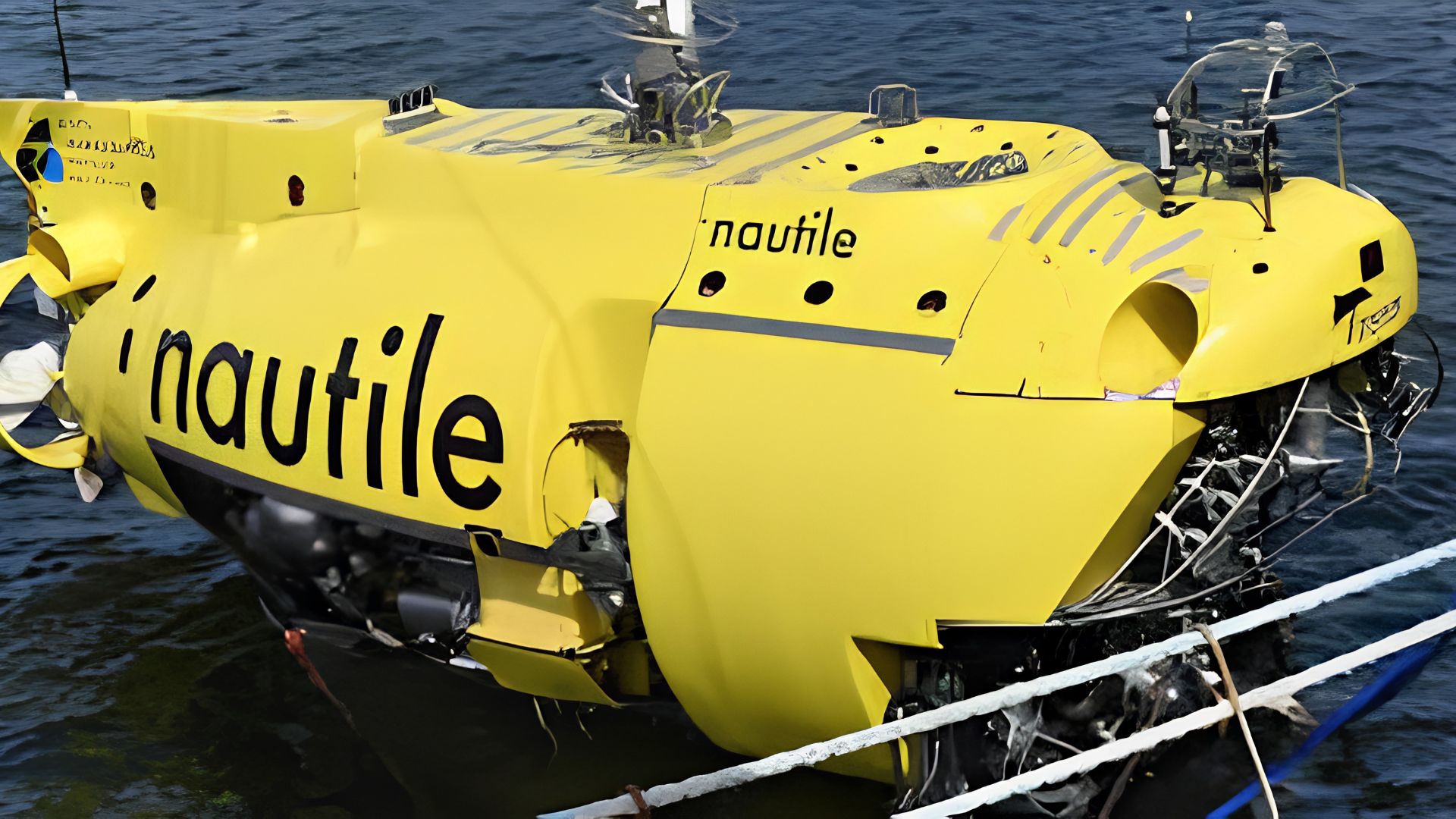
The French titanium submarine that descends where the light disappears: Nautile carries three people to a depth of 6,000 meters, reaches 97% of the ocean floor, and has already investigated the Titanic, underwater volcanoes, and regions that remain inaccessible to most vessels on the planet.


Naval Industry Monitors Risks and Reassesses Operations
Naval companies and authorities have warned that ships linked to the United States, or perceived as such, are at elevated risk in the region. The shipping giant AP Moller – Maersk reported that it continues to operate in the area but is ready to reassess its position based on developments and available information.
International naval groups, such as the Joint Maritime Information Center (JMIC), have heightened their alert for commercial traffic in the Red Sea, in the Gulf of Aden, and in the Strait of Hormuz itself. According to an update from JMIC, vessels linked to the US face a higher risk of attack, while the risk for other ships remains lower at the moment.
Risk of Closing Hormuz Pressures Market and Transport
The possibility of a potential closure of the Strait of Hormuz, considered as retaliation by Iran, has increased pressure on the naval industry and maritime transport markets. Although analysts consider a closure unlikely, the mere risk of blockage has been enough to generate uncertainty and raise freight rates. According to market estimates, profits from oil tankers have increased by about 90% since the tensions began in June.
The Greek Ministry of Shipping highlighted that the recommendation to avoid the strait is directly linked to the fear of a blockade and the impacts that this would have on the global flow of oil and oil derivatives. Authorities from Greek oil companies stated they are continuing to assess the scenario, with final decisions depending on the evolution of risks.
Houthis and Threats in the Red Sea Broaden the Alert
Tensions in the Middle East have also been exacerbated by new alerts from the Houthi group from Yemen, which issued threats against US commercial and military vessels on Sunday. The ceasefire that had been maintained between the Houthis and the US since May seems to have been compromised after US attacks on Iran, increasing the risk to vessels in the region.
The naval force of the European Union raised its threat assessment for vessels associated with the United States and Israel, now considering the risk to be serious. The assessment for other vessels remains low, but European authorities warned that this does not rule out the possibility of new indiscriminate attacks in the future.
Impact on the Naval Industry and Global Trade
The global naval industry is closely monitoring developments, as the strait and adjacent routes are vital for energy and goods trade. Commercial vessels choosing to maintain traditional routes in the Persian Gulf and the Strait of Hormuz should adopt strict security measures according to guidelines from naval groups and maritime authorities.
For the sector, the escalation of the conflict tests the risk tolerance of transport companies and could reconfigure maritime traffic in the region, at least temporarily. Operators assess that, despite the recommendations, many shipowners may continue operating in the area, as freight rates are likely to rise to offset the risks taken.
Possibility of Blockade and Scenario for the Future
Although the fear of a closure of Hormuz has gained strength in recent days, industry experts and risk analysts point out that such a measure would be extremely detrimental to Iran itself, as the country depends on the waterway for its exports and trade relations, especially with Asia. A total blockade could also provoke a coordinated response from the international community, worsening Iran’s isolation.
For now, the scenario points to an environment of maximum caution, with constant monitoring by international navies and transport companies. The naval industry will continue to adopt contingency plans and mitigation strategies while the situation in the Middle East remains unstable.








-

1 person reacted to this.