






 Portuguese
  Spanish
  3 min of reading
  0 comments


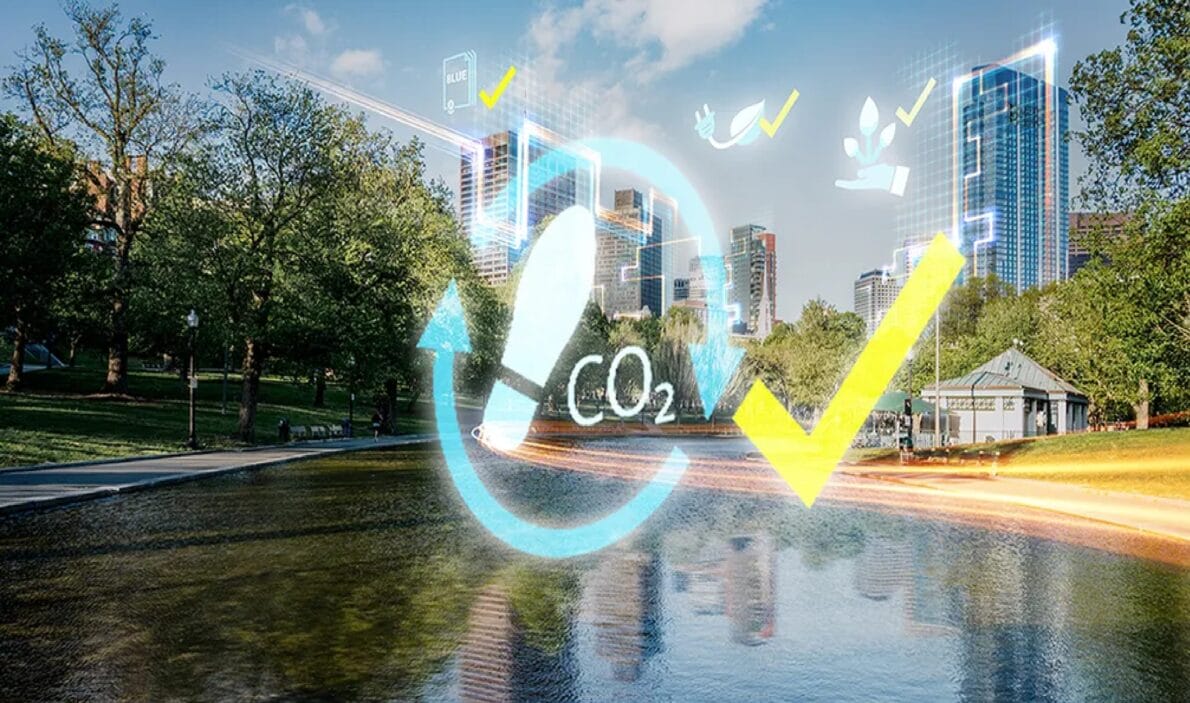
Supercritical CO2 Technology Could Revolutionize Energy Generation and Replace Traditional Thermoelectric Plants
Supercritical carbon dioxide (sCO2) technology is set to transform the way we generate electricity. Recently, an experimental plant, known as STEP (Supercritical Transformational Electric Power), achieved a historic milestone by generating electricity using this innovative method. This new approach promises to replace traditional thermoelectric plants, offering a more efficient and sustainable alternative, according to Inovação Tecnológica.
What Is Supercritical CO2 Technology?
Supercritical carbon dioxide (sCO2) is CO2 maintained above its critical temperature and pressure, reaching the density of a liquid while retaining the behavior of a gas. This state makes sCO2 a highly efficient fluid for energy generation, as small changes in temperature or pressure result in large variations in its density. In addition to being non-toxic and non-flammable, sCO2 provides a more efficient thermal medium than water, with up to a 10% increase in the efficiency of power plants.
Difference Between Rankine and Brayton Cycles
Traditional plants use water in Rankine cycles, where steam energy is converted into electricity, but with an efficiency of only one-third. In contrast, the Brayton cycle, used by sCO2, offers a conversion efficiency exceeding 50%. In the Brayton cycle, sCO2 is heated by a heat exchanger, spinning a turbine. After leaving the turbine, the CO2 is cooled in a recuperator and then compressed before returning to the heater to continue the cycle.
-
Brazilian scientists are simultaneously advancing two research projects on clean hydrogen and driving solutions that could transform the energy matrix, enhance industrial competitiveness, and accelerate large-scale emission reduction targets.

-
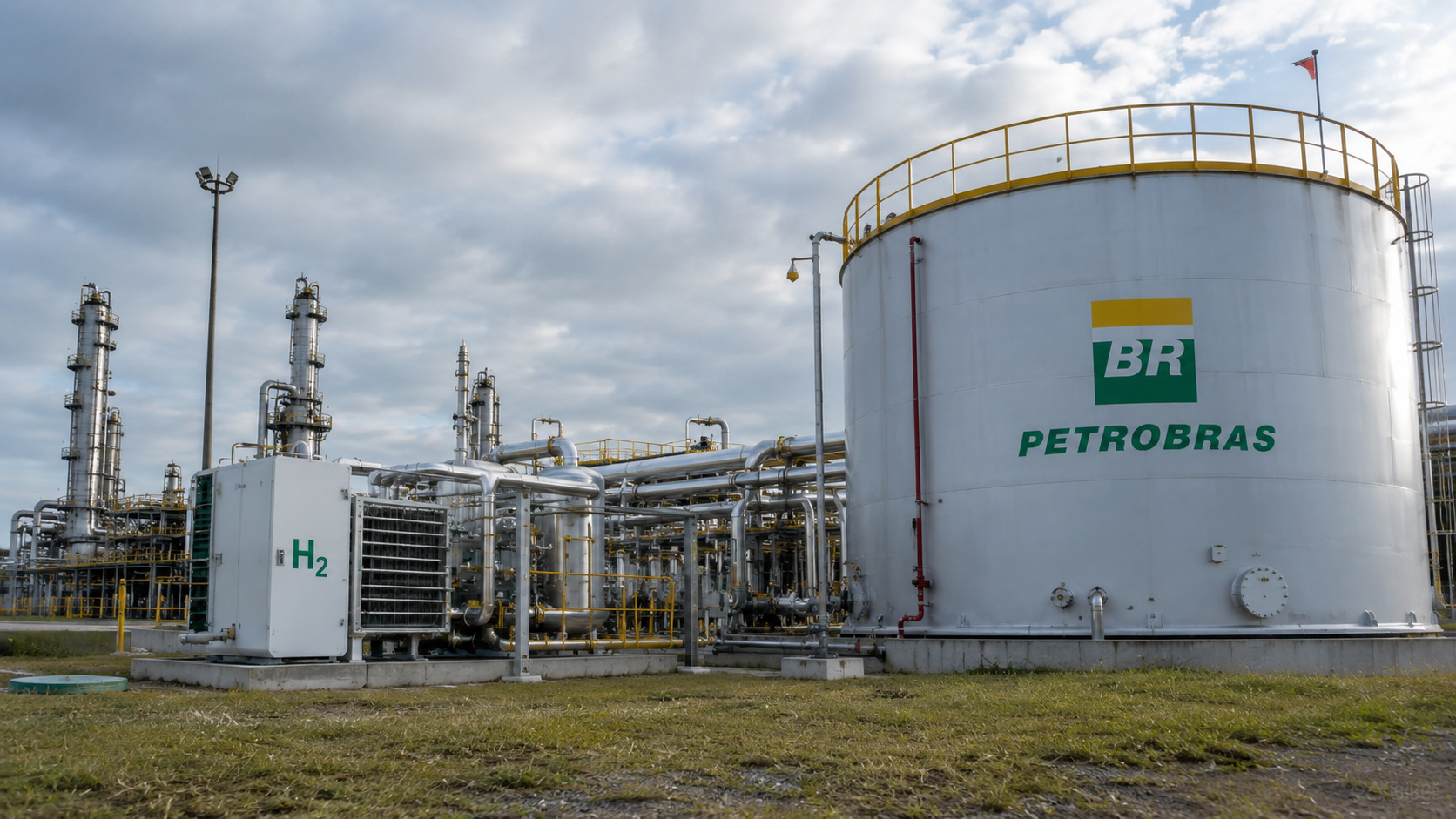
Advancement in renewable energy: A R$ 150 million project launched by Petrobras and Finep aims to create state-of-the-art electrolyzers for green hydrogen, strengthening national research and preparing Brazil to compete in a billion-dollar energy market.
-
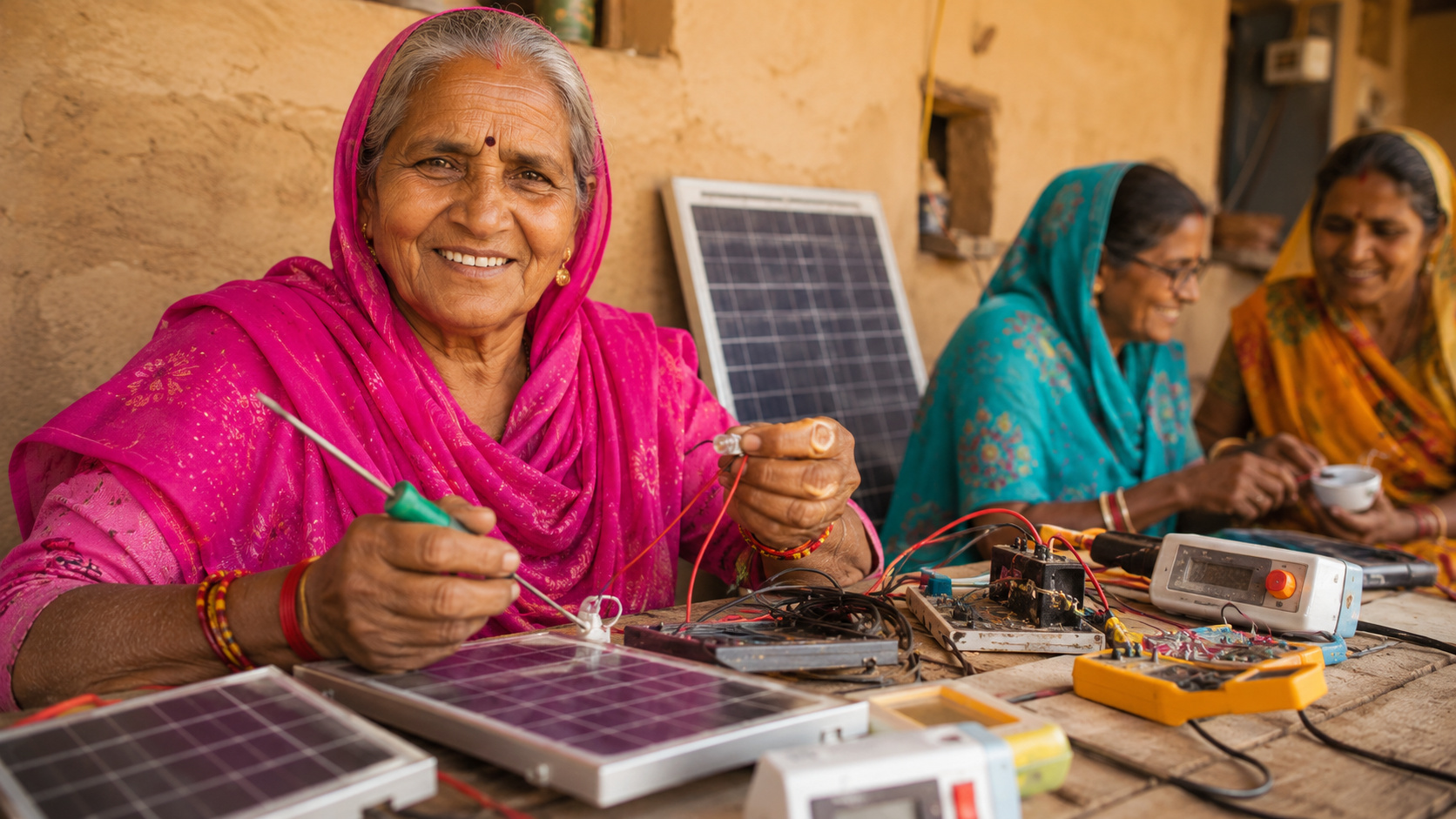
Illiterate or semi-literate grandmothers were trained to repair solar systems, open rural workshops, and light up homes that still depended on kerosene.
-
The world has bet on green hydrogen as the fuel of the future, but now faces the side effect: producing 1 kilogram requires about 9 liters of ultrapure water, and the largest projects on the planet are precisely in the driest regions of the Earth, where water is already scarce for people.

The Experimental STEP Plant
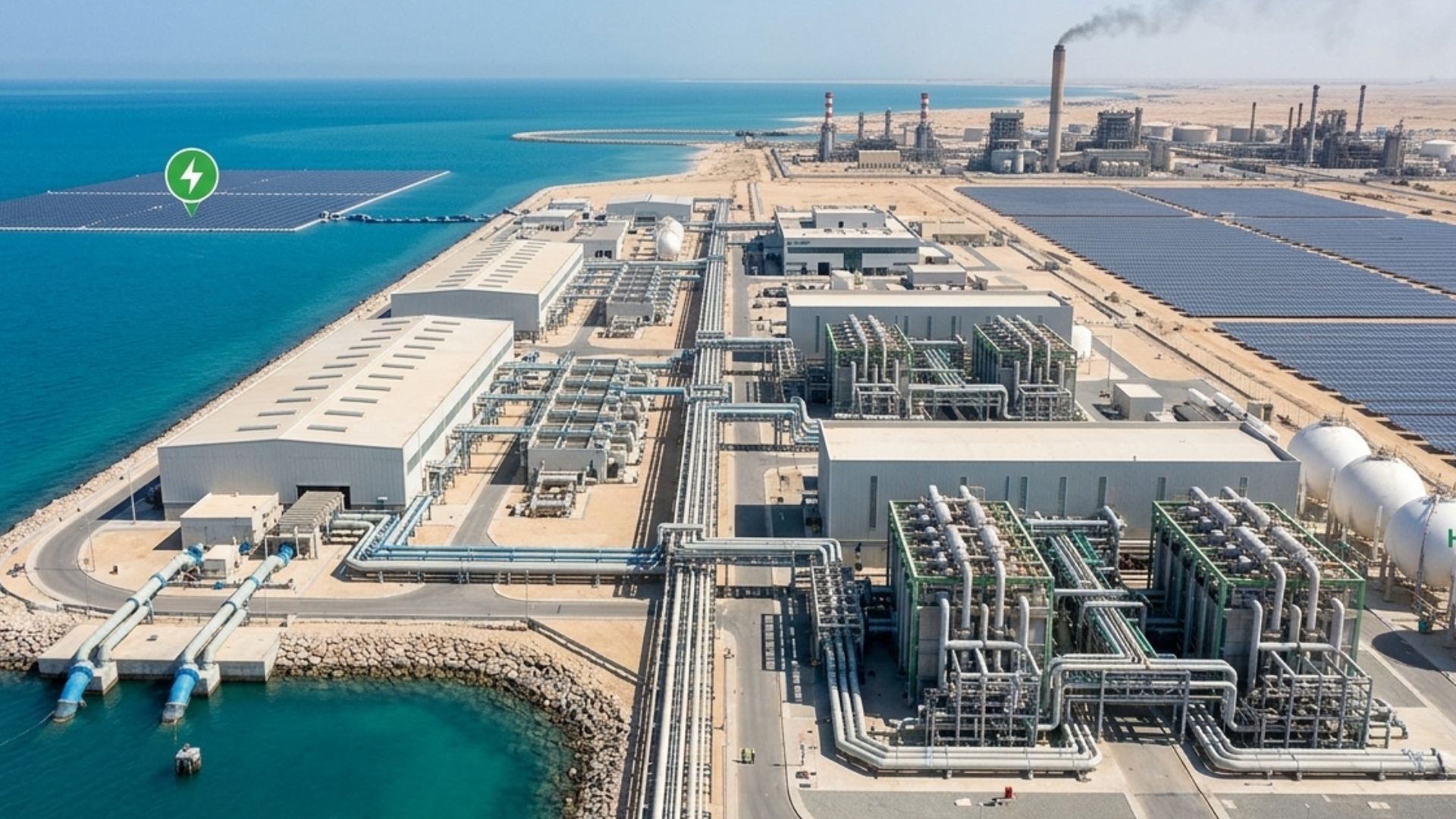
The pilot plant, named STEP (Supercritical Transformational Electric Power), is installed at the Southwest Research Institute (SwRI) and has an initial capacity of 10 megawatts. Recently, the turbine reached its maximum speed of 27,000 rpm at 260°C, generating a small amount of energy. In the upcoming tests, the operating temperature will be gradually increased to 500°C, when the plant is expected to generate 5 megawatts (MWe), enough to power 5,000 homes.
Next Steps for the New Technology That Could Replace Thermoelectric Plants
After the completion of the first phase of testing, the project will enter its final phase, with the reconfiguration of the plant to increase efficiency and power production. This modification, which includes the installation of new equipment and a new commissioning and testing phase, will progress until 2025. In the end, the plant is expected to produce 10 MWe per hour, enough to power 10,000 homes.
Advantages of sCO2
The sCO2 turbomachinery is significantly smaller than conventional thermoelectric plant components, reducing the physical footprint and construction costs of new facilities. Additionally, sCO2 energy cycles are compatible with various heat sources, such as concentrated solar power, industrial waste heat, geothermal energy, and advanced nuclear power plants.
Jeff Moore, project manager, emphasized the importance of demonstrating this technology: “The impact of demonstrating that sCO2 technology works cannot be overstated. I truly believe this project will change the way we approach energy generation in the near future.”






Be the first to react!