






 Portuguese
  Spanish
  5 min of reading
  0 comments



New Traffic Infraction Law Provides for Imprisonment and Suspension of Driver’s License for Grave Offenses, as Approved by the Committee
The abandonment of domestic animals in public spaces is a sad reality and, unfortunately, very common in Brazil. To address this situation, the Committee on Environment and Sustainable Development of the Chamber of Deputies has taken an important step by approving a proposal that transforms the act of abandoning a domestic animal into a crime and a serious traffic infraction, in addition to the possibility of losing the driver’s license.
This measure aims to hold drivers accountable for using vehicles to leave defenseless animals on the streets.
The proposal, which awaits analysis from other committees and needs to be approved by both the Chamber and the Senate to become law, establishes that anyone who abandons an animal in public will be subject to strict penalties. This includes imprisonment of 2 to 5 years and the suspension of the right to drive.
-
GAC launches “Chinese hybrid Kombi” with 7 seats cheaper than Tiggo 8 Pro Plug-in Hybrid in Brazil; for around R$ 177,000 in conversion without taxes, the Trumpchi E8 PHEV has a 2.0 engine, DHT transmission, an electric range of 150 km, and a premium family cabin for those living in China.

-
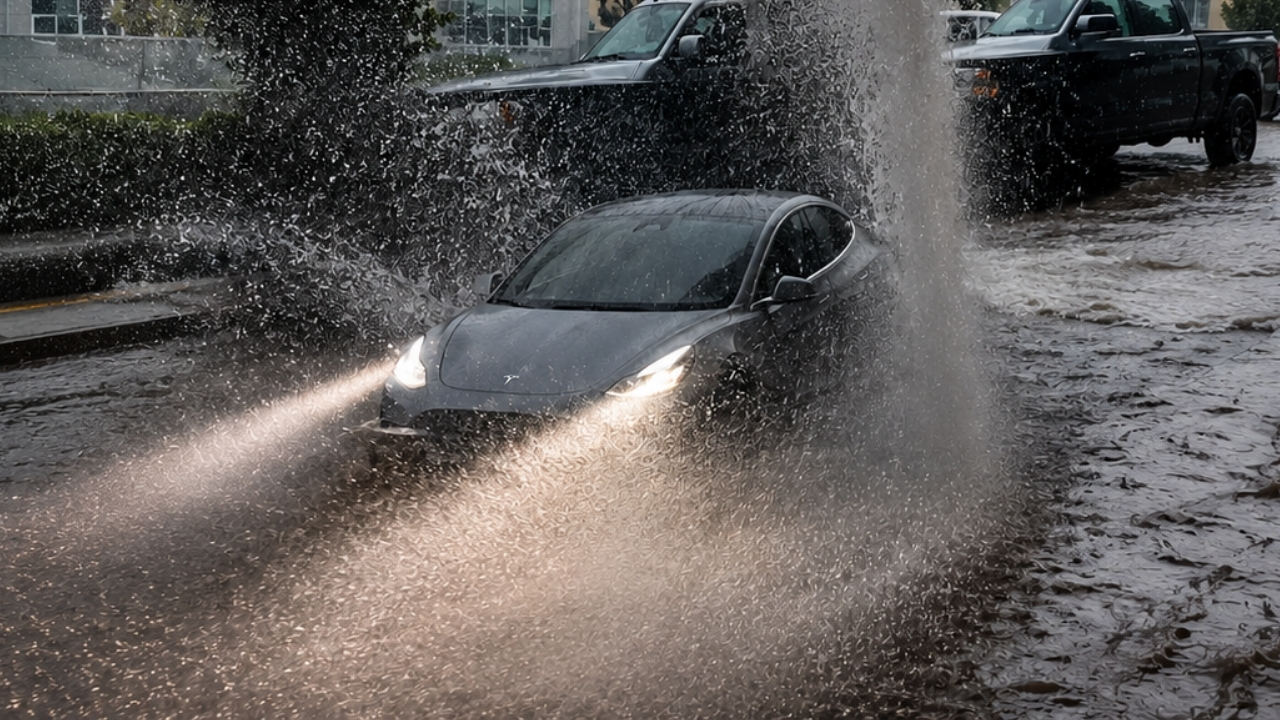
Electric and hybrid cars receive flood warnings: brands limit crossing to 20 or 30 cm, recommend up to 10 km/h, and warn that water on the floor can contaminate batteries, render systems unusable, and void the warranty.
-
Suzuki sells a “family 4×4 SUV” with 5 doors, 1.5 engine, ladder frame chassis, 4×4 traction with reduction gear, and a price equivalent to about R$ 66,000 without taxes, below the Jeep Renegade sold in Brazil: meet the Jimny 5-Door in India.
-
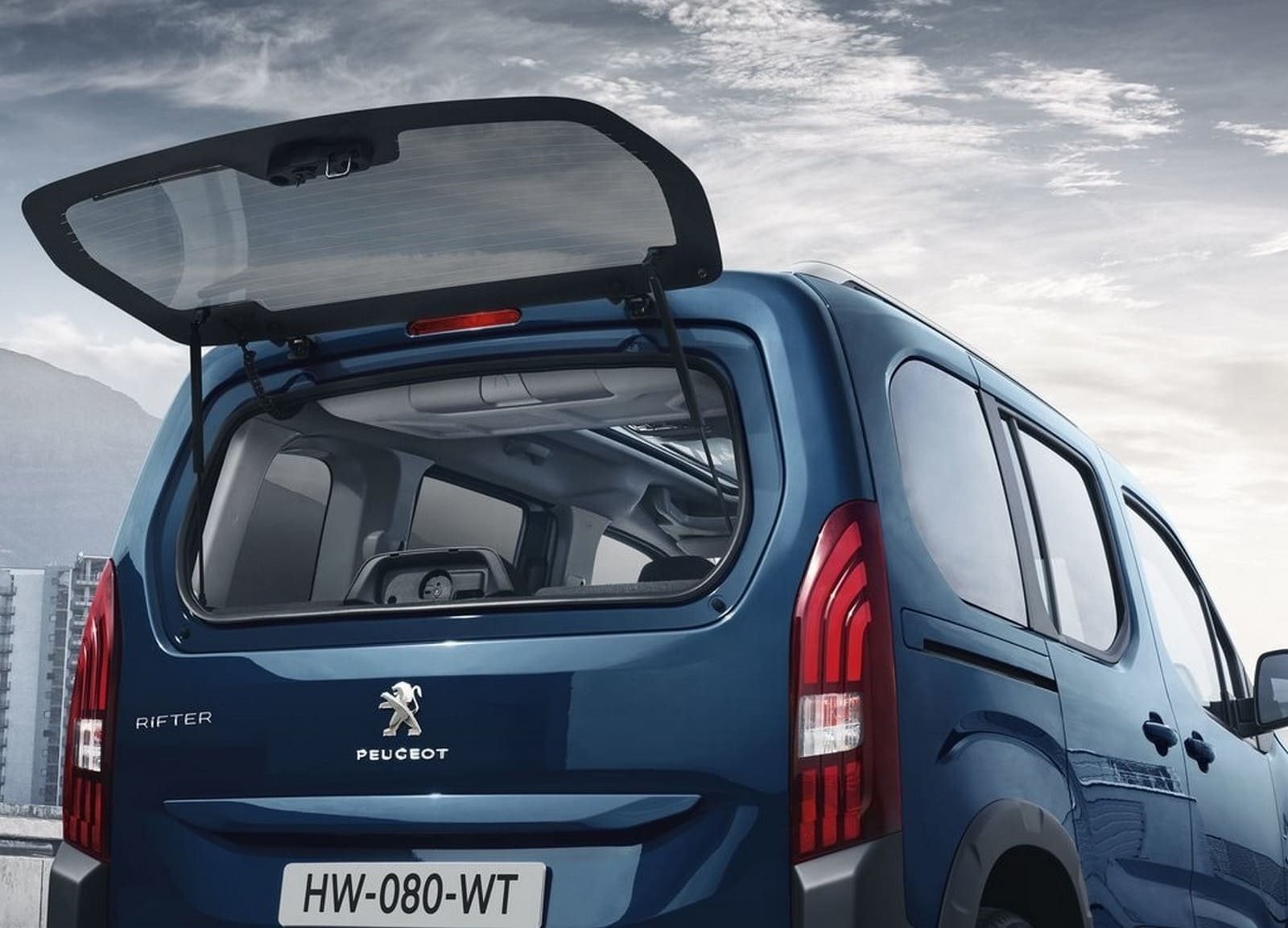
Stellantis sells the “French family van” with up to 7 seats, a 100 hp diesel engine, a trunk of up to 775 liters, and a price equivalent to about R$ 153,000 without taxes, below the Tiggo 7 Pro Max Drive sold in Brazil: meet the Rifter.



The law covers not only the driver who abandons the animal but also any passenger who contributes to or neglects the abandonment. Furthermore, the project characterizes the act as a serious traffic infraction, which leads to fines and confiscation of the driver’s license.
According to the rapporteur of the proposal, Deputy Nilto Tatto (PT-SP), the new text integrates elements from four different projects on the subject: Bill 25/24, from Deputy Delegate Matheus Laiola (União-PR), and the annexed 236/24, 951/24, and 257/24.
Tatto’s substitute brings together what he considers the most important points from the analyzed proposals, making the abandonment of animals a serious infraction and establishing criminal punishment for drivers and passengers who participate in the act.

What Does This Mean in Practice for the New Traffic Infraction Project?
Imagine the situation: someone takes their dog to a remote area, in the middle of a road, and leaves it there, defenseless and without any assistance. The animal has no way to get home, is in a strange environment, without food or water.
It becomes vulnerable to countless dangers, such as being run over, hunger, thirst, and abuse from others. The new proposal seeks to curb this kind of cruel behavior by imposing severe punishments on those who consider abandonment an “easy” solution.
Furthermore, by classifying the abandonment of animals as a serious traffic infraction, the proposal reinforces the importance of respecting life in all its forms.
The idea is to create a deterrent effect, making people think twice before abandoning an animal. Abandoning a pet should not be a viable option without consequences; everyone must understand the responsibility they assume when adopting an animal.
A Step Toward Empathy and Responsibility
This bill also sparks an important reflection on our responsibility towards animals. Many of us grew up with a pet, and these companions are part of the family. Adopting an animal is not just about “having a pet” – it is committing to its life and well-being, something that many unfortunately do not take into consideration.
The approval of this proposal signals progress in protecting animals and an invitation to empathy. It shows that we can no longer treat abandonment as something minor or inconsequential. Our pets depend on us for survival, safety, and love, and deserve respect at all times.
If this law is enacted, it will be an important step for the protection of animals in Brazil. We are still in a moment of awareness, but actions like this show that the country is moving towards a future where acts of cruelty are punished and responsibility is encouraged.
Other Serious Offenses in Brazil
In addition to the proposal that makes the abandonment of animals a serious traffic infraction, the Brazilian Traffic Code (CTB) already provides for various behaviors as infractions of the same gravity, which are punished severely due to the high risk they pose to the safety of all. Here are some of the main serious infractions, according to the CTB:
- Driving Under the Influence of Alcohol or Drugs
Driving under the influence of alcohol or psychoactive substances is one of the most serious infractions. The penalty involves high fines, suspension of the driver’s license, and, in more severe cases, imprisonment. This practice is extremely dangerous and increases the risk of fatal accidents. - Refusing to Take a Breathalyzer Test
Refusing to undergo a breathalyzer test, clinical examination, or inspection when requested by the authority is also a serious infraction. The refusal results in fines and suspension of the right to drive, serving as a measure to ensure that drivers respect traffic laws. - Speeding Above 50% of the Allowed Limit
Driving at a speed exceeding 50% of the allowed limit on the road is another serious infraction. Penalties include high fines, loss of points on the driver’s license, and, in repeat cases, even suspension of the right to drive. - Unauthorized Racing or Speeding
Participating in races or speeding contests on public roads is a serious infraction with high fines, vehicle seizure, and, depending on the case, even imprisonment. In addition to putting those involved at risk, it exposes pedestrians and other drivers to severe accidents. - Reckless Overtaking
Overtaking in prohibited areas, such as solid lines or curves, is considered a serious infraction. This practice greatly increases the risk of head-on collisions, especially on two-way roads, and can result in fines and loss of the driver’s license. - Running a Red Light
Running a red light endangers the lives of pedestrians and other drivers. This infraction is punished with high fines and loss of points on the driver’s license, and is one of the main causes of accidents at intersections. - Driving Without a License
Driving without a driver’s license or with a suspended or revoked license is another serious infraction. This demonstrates the importance of respecting the requirements to drive a vehicle legally and safely. - Transporting Children Without Safety Devices
Transporting children without appropriate safety devices, such as car seats, is also considered serious. Using car seats and proper seating is crucial for the safety of young children in case of accidents. - Blocking Public Roads
Intentionally blocking the road, such as during demonstrations, protests, or even by cargo vehicles, is a serious infraction. This behavior disrupts traffic flow and can compromise the safety of everyone on the road. - Overtaking on Crosswalks
Overtaking vehicles that are stopped at crosswalks or semaphore crossing areas is an infraction that puts pedestrians at great risk. This behavior is severely punished to protect the most vulnerable on the road.
These serious infractions demonstrate the seriousness of the CTB in curbing behaviors that put the lives of drivers, passengers, and pedestrians at risk. The classification of infractions of this nature and the creation of new ones, like the proposal for the abandonment of animals, reinforce the need for safer and more conscious traffic for all.







Be the first to react!