Portuguese
  Spanish



Dive Into The World Of Maritime Rescue: Vessels Equipped To Face Storms And Save Lives. Brave Guardians Of The Ocean
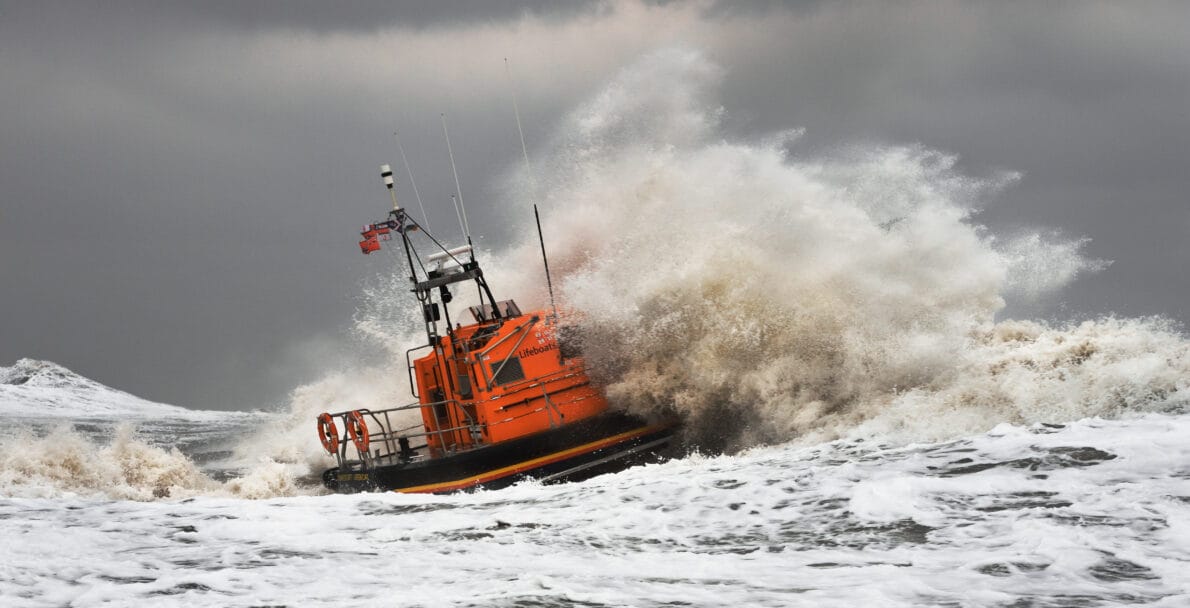
The lifeboats emerge as anonymous heroes, challenging storms and rising against the dangers of the sea. More than just simple vessels, they are beacons of hope built to be strong and reliable, ensuring a quick and safe escape when the ocean becomes relentless.
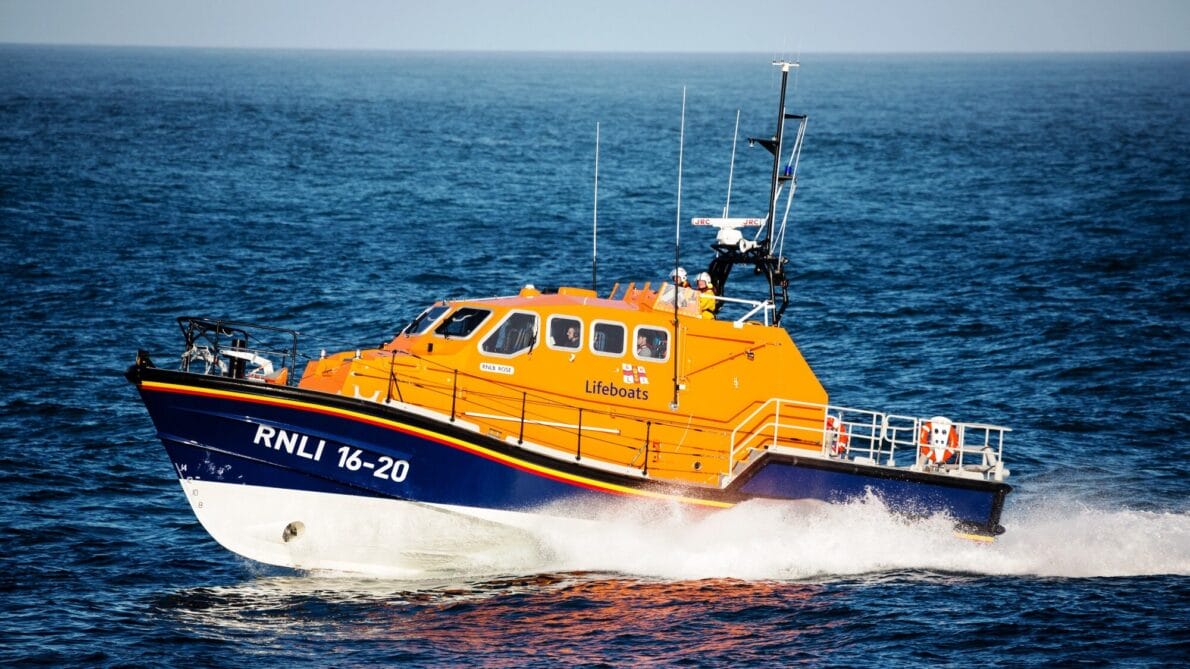
Immerse yourself in the waters of the Tamar Class of the RNLI, one of the fleets operated along the coasts of England and Ireland. Designed to be launched from ramps or operated in shallow waters, this marvel, introduced in 2005, is the most advanced and safe rescue vessel of its time. But what makes it stand out?
The Information Management System And Integrated Electronic System (Sins)
The Tamar Class is equipped with the Information Management System and Integrated Electronic System (Sins). This system allows the crew to operate the vessel from impact-absorbing seats, reducing the strain on the crew’s backs during impacts. The Sins also enables control of navigation, communication, and search systems from a single touchscreen. This integration of technology makes the crew’s work easier, making the vessel more efficient and safe.
-
France Revamps 530 Social Housing Units with Large Balconies and Glass Facades Without Demolishing Existing Buildings

-
10-Year-Old Max Makes History with Paris Fashion Show, Launches Own Brand, Hires Staff, and Sets World Record as Youngest Runway Designer

-
Bolivian Female Construction Workers Form Association to Combat Discrimination and 38% Pay Gap in the Industry
-
Near Amsterdam, residents buy land and discover they must also build streets, manage drainage, handle waste, and grow food on half their plot.




Anti-Capsize Technology
The Tamar Class incorporates anti-capsize technology. It has the ability to right itself automatically with up to 44 people onboard in case of capsizing, providing greater safety for crew and rescued individuals. Additionally, it features an automatic fire extinguishing system in the engine room, an automatic bilge system that can remove water from the hull, and a stabilization system that reduces the vessel’s movement during navigation or when stationary.
Technical Specifications Of The Tamar Class
- Length: 16.3m
- Width: 5.3m
- Weight: 31.5 tons
- Engines: Caterpillar C18 Diesel
- Maximum Speed: 25 knots
- Range: 250 nautical miles
- Capacity: Up To 18 People Onboard
The Tamar Class is a true technological marvel, providing safety and efficiency for the rescue team and those who are saved at sea.
The Hovercraft H-003: Going Where Others Cannot Reach
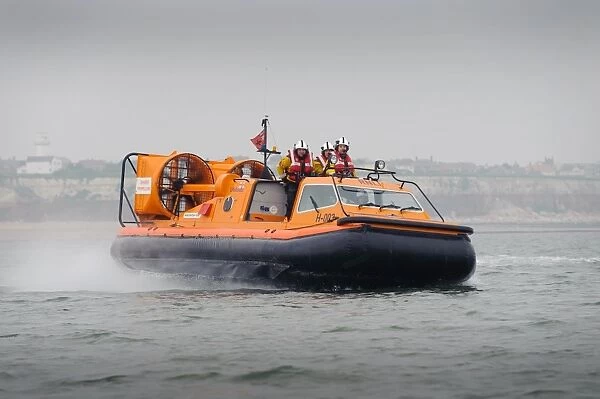
Step into the world of the Royal National Lifeboat Institution and meet the Hovercraft H003, one of the seven aquatic wonders that operates in the station at Norfolk. It is not just an ordinary vessel, but a true hero that can reach places where conventional boats dare not venture.
Can you imagine dealing with muddy tides or soft sands that are too deep for land vehicles but too shallow for boats? The H 003, known as the Hunstanton Flyer, is the answer to these challenging situations.
Manufactured by the RNLI in 2003, being the third of its kind, the H 003 was designed by Griffon HWK, a world leader in this type of hovercraft. At 6.8m long, 3m wide, and weighing 3.8 tons, this water hero is powered by two VW 1.9 Turbo diesel engines, reaching a maximum speed of 30 knots.
The H 003 is not just a water vehicle, but an advanced rescue machine. It is equipped with GPS navigation system, radar, VHF radio, reflectors, sirens, and flotation devices. Additionally, it has an infrared camera to detect body heat in water or mud, along with an air control system to adjust its height over the ground or water, avoiding obstacles or dangers.
This ground-effect aircraft has played a crucial role in saving human and animal lives on Hunstanton beach, working with rescue teams, such as Coast Guard helicopters or air ambulances.
Shannon Class: The Latest Generation Of All-Weather Rescue Vessels
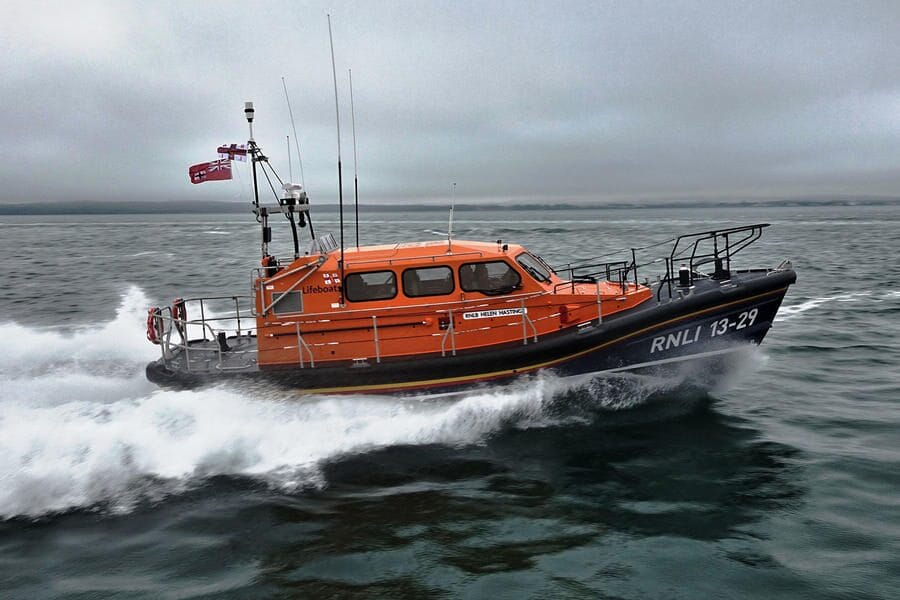
Step into the Shannon Class, the latest generation of all-weather rescue vessels deployed by the RNLI. This vessel is pioneering in using water jets instead of traditional propellers for its propulsion, making it more agile and easier to maneuver than other all-weather rescue vessels.
Designed by the RNLI engineering team, the Shannon Class utilizes cutting-edge technology to meet the demands of 21st-century rescue services. Built on the foundations developed for the previous class, the Tamar, the Shannon stands out for its faster and safer launching and recovery systems on the beach.
Although they can also be launched from ramps or slipways, once fully deployed, the entire RNLI all-weather rescue fleet will be capable of reaching speeds of 25 knots, making their rescue services more efficient and effective than ever.
Continuing the tradition of naming vessels after rivers, the Shannon Class is named after the River Shannon, the longest river in Ireland, measuring 240 miles in length.
The lifeboats are true anonymous heroes, ready to face the adversities of the sea and save lives. With cutting-edge technology, these vessels stand out for their safety, efficiency, and ability to access areas where other vehicles cannot reach.
Whether in the Tamar Class, the Hovercraft A003, or the Shannon Class, each of these aquatic wonders plays a fundamental role in the mission of saving lives at sea. They are true invisible heroes, navigating the seas to rescue those in need of help, bringing hope and safety to those who venture into dangerous waters.