Portuguese
  Spanish




A Revolutionary Innovation In Solar Technology Promises To Change The Landscape Of Energy Generation, Orbital Reflectors That Intensify Solar Light, Enhancing The Energy Generation Of Solar Panels To Unprecedented Levels.
Scientists from Scotland developed a groundbreaking solar technology, employing orbital reflectors to amplify the exposure of solar panels to sunlight. These satellites, equipped with reflectors, are positioned in high orbit, aligned to the sun, to maximize solar energy capture in specific areas of the Earth, such as solar farms.
The technology is based on hexagonal reflector satellites, constructed with aluminum-coated Kapton, measuring 250 meters on each side, totaling an area of 162,000 m². These space giants, positioned about 900 km from Earth, can be electronically directed to reflect sunlight, illuminating land areas precisely, generating an estimated increase of 34 to 36 MW of energy.
Orbital Reflectors Increase The Efficiency Of Solar Panels


The orbital reflectors hold the promise of harnessing solar irradiance from space, which is significantly more intense than that received on the Earth’s surface due to atmospheric filtering. By directly reflecting sunlight from space, these satellites can surpass the limitations of traditional solar panels, which suffer energy losses during atmospheric transmission.
-
Fired during apartheid and with a little borrowed money, an electrician started with a borrowed truck and transformed electrical services into a group connected to energy, real estate, and infrastructure in South Africa.

-
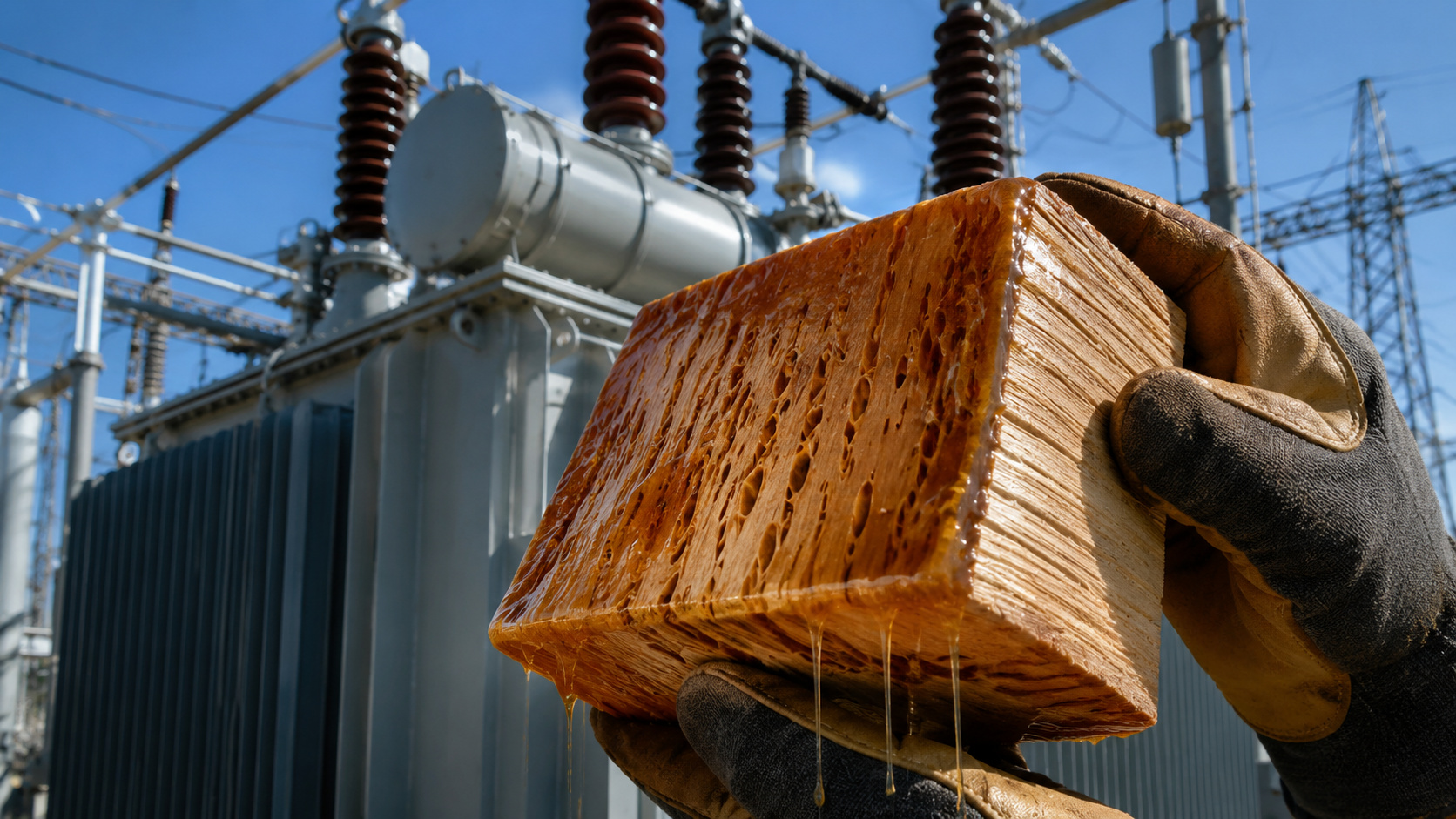
Wood has ceased to be just a construction material in Yale research and has become insulation for electrical transformers that face intense heat, aging, and increasing pressure from the renewable energy-powered grid.
-
More than 1,000 residents of a remote island in Kiribati now have clean water and electricity with solar systems operated by the community itself.
-
Ceará brings together 7 giants and R$ 66 billion to transform Pecém into the largest green hydrogen hub in Brazil, with final decisions expected by the end of 2026.



Researchers assure that the implementation of these reflectors will not cause significant light pollution on Earth. The durability of the satellites is estimated at 20 years, with launch costs projected at R$ 1,150 per kilo (about US$ 232/kg), making the initiative economically viable. The levelized cost of energy generated by this technology is projected to be around R$ 0.347 per MWh, indicating a potential for significant reductions in solar energy costs.
With the advancement of reusable rockets, such as those from SpaceX, sending these reflectors into space is becoming increasingly accessible, opening new frontiers in solar energy generation. This technology not only increases solar generation efficiency but also represents a significant step toward a sustainable future, with clean and abundant energy.
How To Increase Solar Energy Efficiency?
To enhance the effectiveness of solar energy, methods such as thermal optimization of panels and the application of nanostructures to improve light absorption are essential. These techniques, along with the precise installation of panels to capture maximum sunlight, play a crucial role in elevating energy efficiency.
In the market, monocrystalline silicon panels lead in terms of efficiency, due to the purity and organized structure of silicon that facilitates better light conversion into energy. Advanced technologies such as PERC (Passivated Emitter and Rear Cell) and bifacial panels that capture solar light from both sides further enhance this efficiency.
Understanding Solar Panel Efficiency
The efficiency of a solar panel is measured by its ability to convert sunlight into electrical energy. This efficiency directly depends on the materials used and the design of the photovoltaic cells. While the average efficiency ranges between 16% to 17%, top-tier panels can exceed 19%.
Beyond materials and design, efficiency is influenced by environmental conditions, such as temperature and sunlight exposure. Technological advancements continue to seek ways to push the boundaries of efficiency, with research pointing to the possibility of reaching up to 35% efficiency through innovations in photovoltaic materials.
Thus, while orbital reflector technology offers an exciting prospect for the future of solar energy, ongoing improvements in the efficiency of terrestrial solar panels remain crucial for maximizing solar potential.