






 Portuguese
  Spanish
  3 min of reading
  5 comments


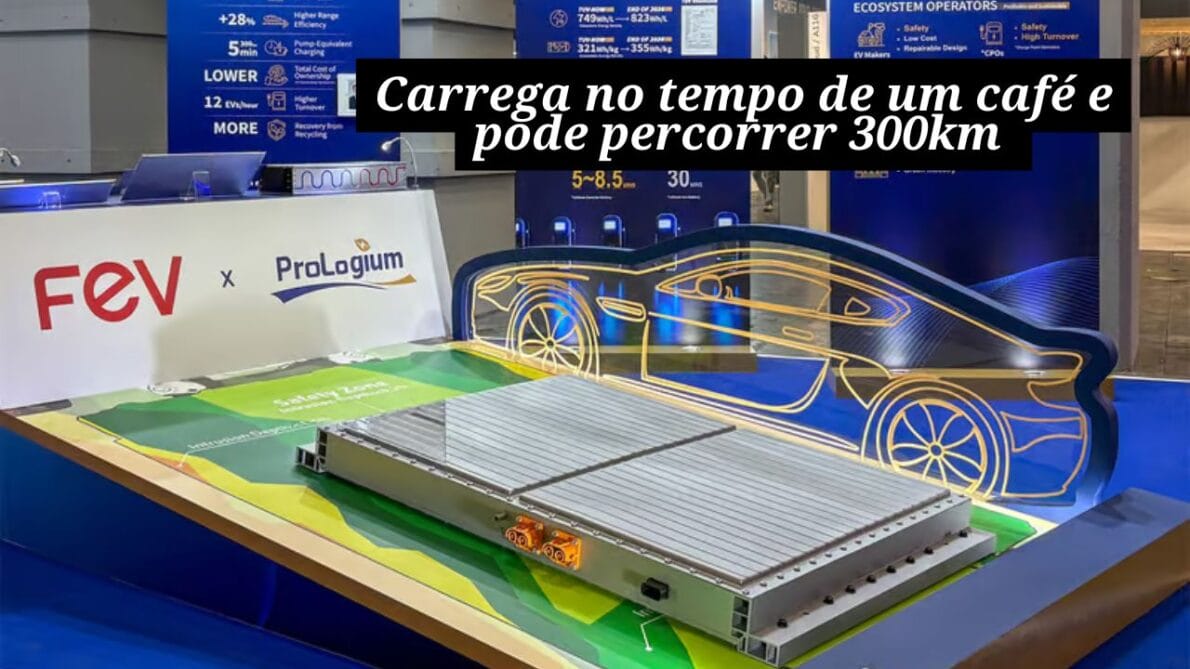

Product Was Unveiled at the Paris Motor Show and Is Notable for Its Fast Charging, Ease of Repair, and Recycling
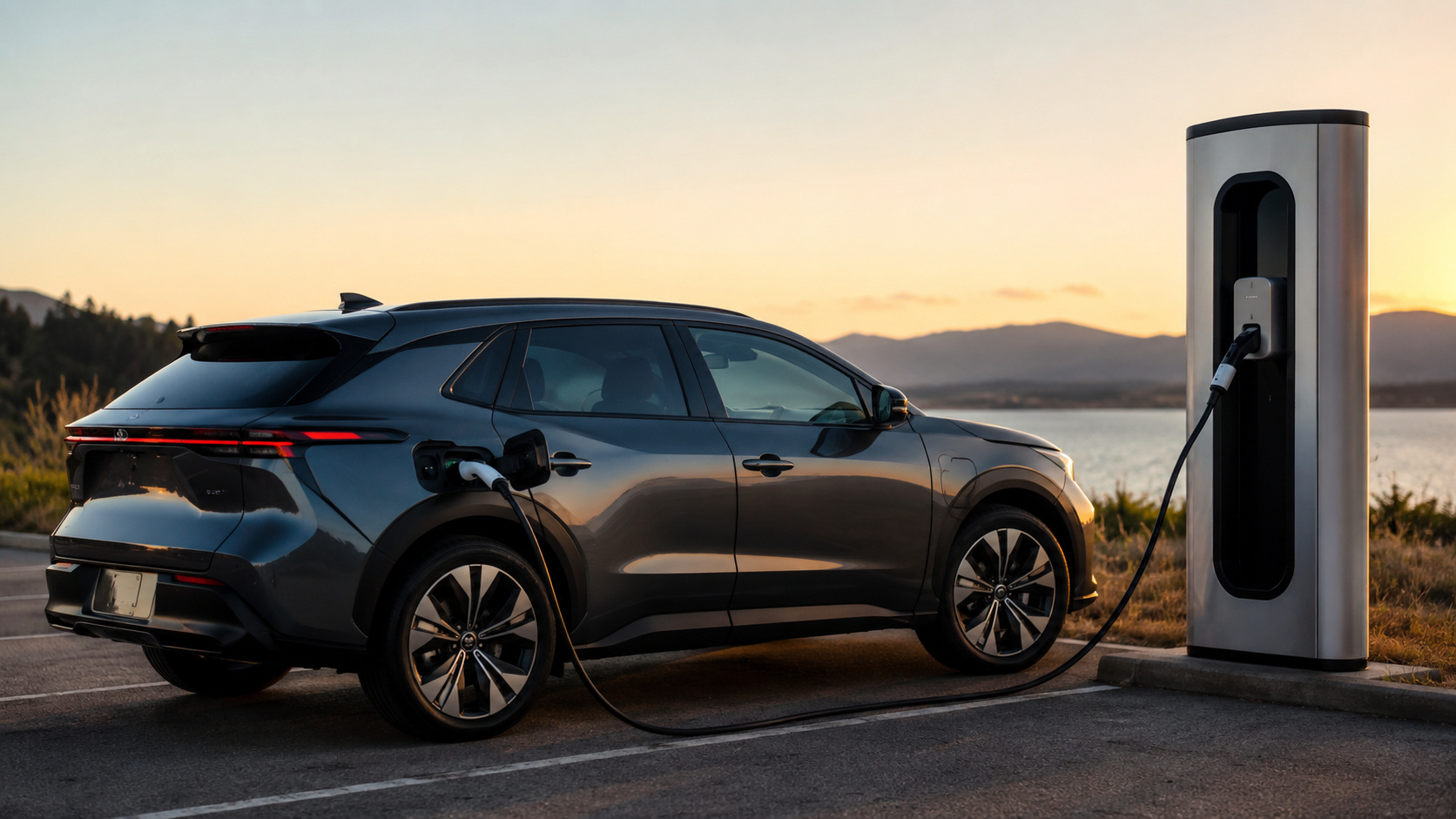
Imagine this: you park your electric car, plug it into the charger, go have a coffee, and when you come back, your vehicle is ready to cover 300 km. It may sound like an exaggeration, but this is the promise of the new battery for electric cars presented by ProLogium at the Paris Motor Show. And yes, we are talking about just five minutes to charge enough for a long trip.
This new battery for electric cars is causing a stir in the industry, mainly due to the 100% silicon composite anode technology, which promises to revolutionize the way we see electric vehicles. The energy density of this battery is an impressive 321 Wh/kg, far surpassing currently available models on the market, such as Tesla’s 4680 cell, which reaches 232.5 Wh/kg.
What Makes This New Battery for Electric Cars So Special?
Ultra-Fast Charging: the highlight is undoubtedly the ability to charge from 5% to 60% in just 5 minutes, reaching 80% in under 9 minutes. This represents an advancement of over 80% compared to common batteries. The Taiwanese company ProLogium has brought new life to the electric vehicle market, which has long faced challenges regarding charging time and limited range.
-
Unprecedented achievement in India: a colossal 650-ton, nearly 3,000 hp excavator is transformed into 100% electric, marking a new phase in heavy mining.

-
Frightened by the speed of Chinese manufacturers, Renault decided to mimic the pace, made the new electric Twingo in just 21 months, wants to repeat the feat with 36 models by 2030, and along the way, will cut up to 2,400 engineering positions.

-
Chinese battery from Dongfeng promises to exceed 1,000 km without relying on liquid electrolyte, and the detail behind the technology could change the electric car competition.

-
The end of the automotive combustion era has already begun, but many in Brazil have not yet realized the magnitude of the shift towards Chinese electric cars.

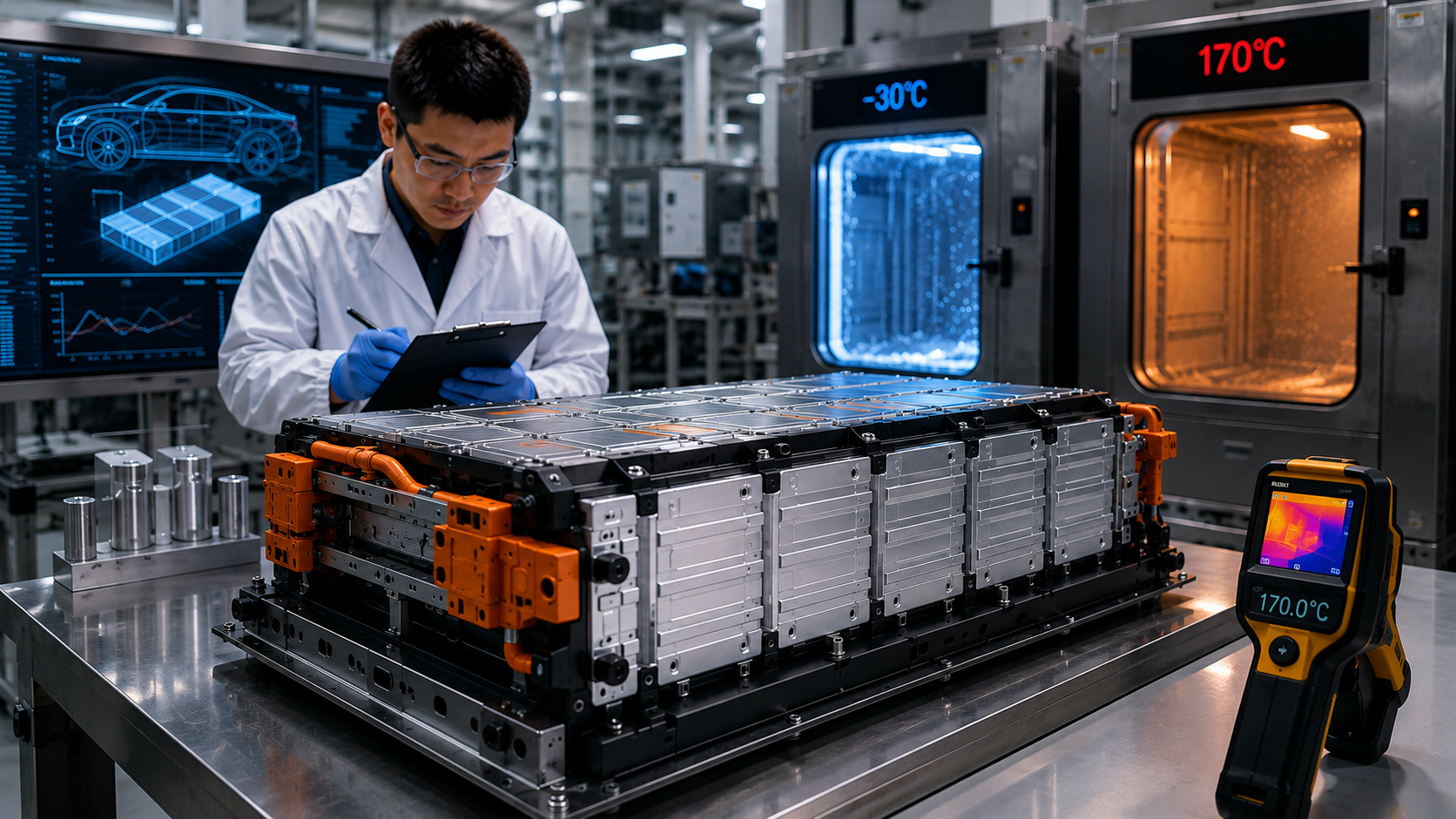
Modular and Sustainable Design: in addition to energy efficiency, the new battery for electric cars features a modular design that facilitates not only repairs but also the recycling of components. This detail can significantly reduce maintenance and ownership costs of EVs (electric vehicles), making them more accessible and sustainable in the long run.
ProLogium, in partnership with the German company FEV, is advancing the commercialization of this technology, with mass production expected to start soon. Consequently, the competitive landscape of the electric vehicle battery market becomes even fiercer, as companies like Panasonic and other Swedish carbon fiber battery manufacturers are also in the race to offer increasingly powerful and efficient solutions.
And the Benefits Go Beyond Charging
Another crucial point is that by reducing “range anxiety,” one of the biggest concerns for electric vehicle drivers, this new technology could further accelerate the transition from combustion engines to electric ones. The new battery for electric cars promises to be a game-changer in this regard, allowing vehicles to achieve greater distances with shorter charging times without compromising performance.
The ProLogium technology emerges as a direct response to the growing need for innovative solutions that support the future of sustainable mobility. The fast charging and sustainable design indicate that we are increasingly close to leaving behind concerns about charging time and battery longevity.
The Revolution of Electric Vehicles Is Just Beginning
With the demand for electric vehicles growing worldwide, innovations such as the new battery for electric cars from ProLogium bring an optimistic outlook for the future. But the question remains: will this technology be able to transform the market once and for all and make EVs the primary choice for consumers?
Leave your comment: would you trade your combustion car for an electric vehicle with this new battery technology?







Ótimo, em 5 s , onde plugar para carregar?
Carro elétrico solução urbana, que utiliza carro para viajar esquece vai ficar a pé
Nossa Matriz energética seria o biocombustível
Com essa tecnologia de carregamento ultra rápido e kms de autonomia acima dos 300km, os EVs poderão sim, serem competitivos com os atuais modelos a combustível fóssil….
Agora, se os preços também não recuarem, se os condomínios urbanos não se modernizarem e se os pontos de recarga não se multiplicarem, será muito difícil a gente ver a transição na velocidade desejada…..
O problema não é a rapidez no carregamento, mesmo se fosse em 5 segundos, o grande problema como acontece na Europa é USA é onde carregar, esse é o tendão de Aquiles.